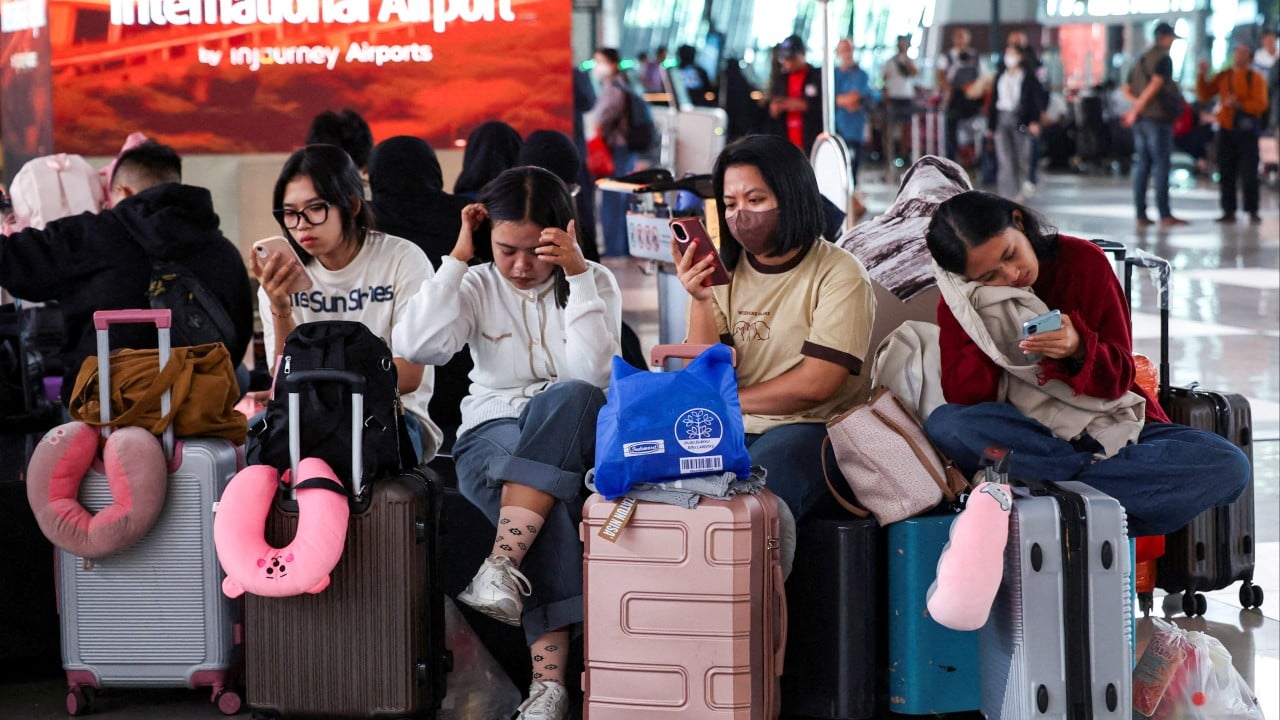
You sit on a stationary aircraft on the tarmac at Heathrow for four hours, watching the departure boards flip from delayed to cancelled while crew members hand out lukewarm cups of water. It is happening again. Britain's air traffic control network has suffered another catastrophic software collapse, grounding thousands of passengers and proving that the country's aviation infrastructure remains dangerously fragile.
When National Air Traffic Services (NATS) encounters a technical fault in its flight processing system, the consequences ripple across Europe within minutes. If you travel frequently through London hubs like Heathrow or Gatwick, understanding why these meltdowns occur helps you protect your schedule before the next system crash strands you. Also making news in related news: Why You Should Hold Off On Booking Jakarta Flights Right Now.
The Anatomy of a National Air Traffic Failure
The root cause behind these major disruptions usually tracks back to a digital processing choke point. Reports indicate that a specialized flight plan entry—in recent instances traced to a military aircraft data input—triggered a cascading software meltdown inside the NATS control center near Southampton. Instead of gracefully rejecting the anomalous data, the legacy system stalled, forcing engineers into a complete system reboot.
Controllers rely on uninterrupted data streams to maintain strict aircraft separation rules. When that data stream corrupts or halts, safety protocols dictate a total freeze on departures. You cannot eyeball hundreds of commercial jets moving at five hundred miles per hour through crowded southern airspace. Additional insights on this are detailed by Lonely Planet.
Yet, frequent flyers have every right to feel furious. This latest incident follows high-profile system failures that paralyzed UK airspace in recent years, leaving millions wondering why critical national infrastructure lacks basic redundancy. Airlines like British Airways and Ryanair end up cancelling hundreds of flights because aircraft and flight crews end up completely out of position, creating a multi-day recovery nightmare.
What Airlines Won't Tell You About Your Rights
When an air traffic control glitch grounds your flight, carriers are quick to point out that the incident is "entirely out of our control". Legally, they are right about extraordinary circumstances exempting them from standard cash compensation under UK and EU passenger rights laws.
However, airlines often blur the line between compensation and basic care obligations. Even during an air traffic control outage, your carrier remains legally required to provide:
- Food and drink vouchers appropriate to the waiting time.
- Free electronic communication access, including phone calls or data coverage for emails.
- Hotel accommodation if you are bumped to the following day, alongside free transport to and from the property.
- An immediate alternative flight routing or a full refund of your ticket.
Most travelers accept the first "no" from a gate agent. Don't do that. When thousands of people crowd customer service desks, waiting in line guarantees you will lose out on the remaining seats for alternative flights.
Practical Steps to Survive Airport Chaos
If you're caught in the middle of a massive airspace shutdown, standard procedures will leave you stranded for days. You need to bypass the bottleneck using tactical maneuvers that seasoned business travelers swear by.
First, drop the airport queue immediately. While hundreds of frustrated passengers stand in line at Terminal 5 waiting to speak with a stressed agent, pull out your phone. Call the airline's international or regional call center—such as a toll-free number based in another country—where queue times are often a fraction of the local desk line.
Second, utilize airline mobile applications to self-rebook. Modern carrier apps often update inventory faster than desk agents can process changes manually. If your flight is canceled, check alternative nearby airports. Catching a train from London to Manchester or Paris to catch an onward long-haul flight can save you three days of sleeping on airport carpet.
Finally, keep every single receipt. If your airline fails to provide adequate hotel rooms or meals during the disruption, you have the right to book your own reasonable accommodations and claim reimbursement later. Keep costs sensible, document everything, and submit your claim directly through the airline's online portal once normality returns. Infrastructure failures will continue to plague European skies, but you don't have to remain helpless while the system reboots.