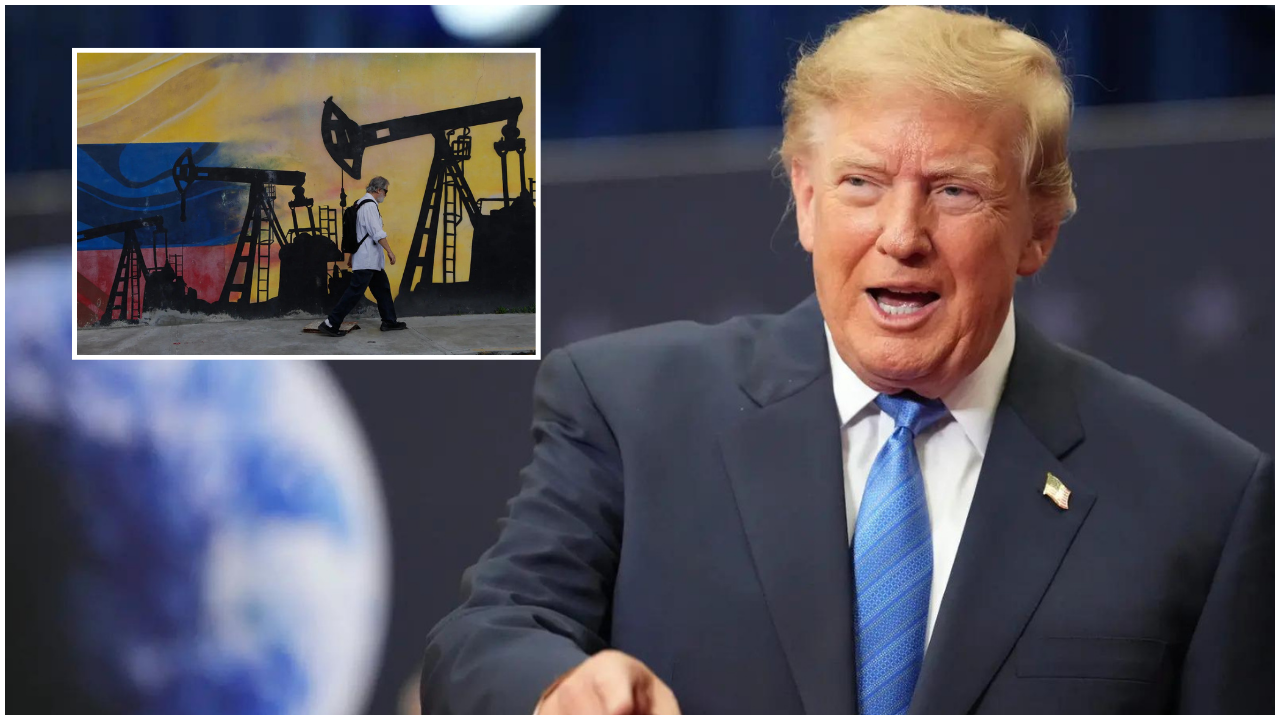
Donald Trump just announced what he calls the biggest oil agreement in world history. The target is Venezuela and its massive crude reserves. According to the White House, the pact hands Washington a direct line to 65 billion barrels of oil spread across 17 strategic fields. More importantly, the administration plans to use this arrangement to fix a glaring domestic vulnerability.
The Strategic Petroleum Reserve took a massive hit over recent years. Stockpiles dwindled below 290 million barrels, hitting multi-decade lows following widespread global supply shocks and intense political pressure over fuel prices. Trump labeled the incoming crude a gift from Venezuela meant to top off national emergency reserves that he claims were left depleted by previous administrations.
How the Arrangement Actually Functions
Behind the grand political announcements lies a complex corporate and legal framework. The agreement centers on North American Blue Energy Partners, a private operator granted rare 100-year concessions to develop these high-potential fields. Under the structure negotiated by officials like Marco Rubio and Pete Hegseth, the United States Department of Defense holds a 35 percent equity stake through its Office of Capital.
Washington also secured guaranteed purchasing rights. The U.S. government gets 20 percent of production at pure production cost specifically earmarked for the Strategic Petroleum Reserve and military use. Furthermore, the arrangement gives American authorities a right of first refusal on the remaining output. Venezuela's interim authorities, led by Delcy Rodríguez, argue the partnership will pull in roughly $100 billion in investment and generate billions in tax revenues for Caracas.
The Logistics and Reality Check
Moving from a signed document to actual barrels flowing into Texas or Louisiana storage salt domes is entirely different. Energy analysts point out that Venezuela's oil infrastructure is in abysmal shape. Years of chronic underinvestment, corruption, and heavy sanctions turned once-mighty production facilities into rusted ruins.
Producing crude requires active drilling rigs, functioning pipelines, and stable electricity grids. None of these elements exist at scale right now. While Trump insists the topping out process will begin shortly, industry experts caution that meaningful output will take years of heavy engineering work and billions of dollars in fresh capital. Motorists looking for immediate relief at local gas stations shouldn't hold their breath.
Pushback from Domestic Producers
The deal isn't winning universal applause, especially among domestic oil executives. Many U.S. producers feel sidelined by the arrangement. Granting a single private entity century-long control over 17 of the most lucrative fields in the Orinoco Belt cuts out other major players who spent months trying to negotiate their own commercial access in Caracas.
Critics also question the wisdom of the American government taking a direct equity stake in a private foreign oil company. Government involvement risks distorting normal market dynamics, creating questions about whether state-backed ventures will receive preferential treatment over standard commercial enterprises.
Geopolitical Shifts in the Western Hemisphere
Beyond crude volumes and domestic politics, the agreement serves a clear strategic objective. It pushes Russian and Chinese influence out of South America's energy sector. Beijing and Moscow previously held deep financial hooks into Venezuela's oil infrastructure through years of debt-for-oil arrangements. By installing a U.S.-aligned corporate framework, Washington is effectively reasserting the Monroe Doctrine for the modern era.
Whether this monumental bet pays off depends entirely on execution. If the private operators manage to rebuild broken pipelines and scale up extraction smoothly, it could reshape American energy security for decades. If the venture bogs down in legal disputes and operational delays, it risks becoming another ambitious political promise caught in the messy reality of Venezuelan politics.
Track project developments closely, watch capital expenditure reports from the new venture, and monitor actual injection rates into the reserve rather than relying on political announcements.
Trump Claims 'Biggest Oil Deal' Ever: Venezuelan Crude Set to Refill US Strategic Reserve
This video provides an in-depth breakdown of the U.S.-Venezuela oil agreement and its potential impact on the Strategic Petroleum Reserve.
http://googleusercontent.com/youtube_content/1