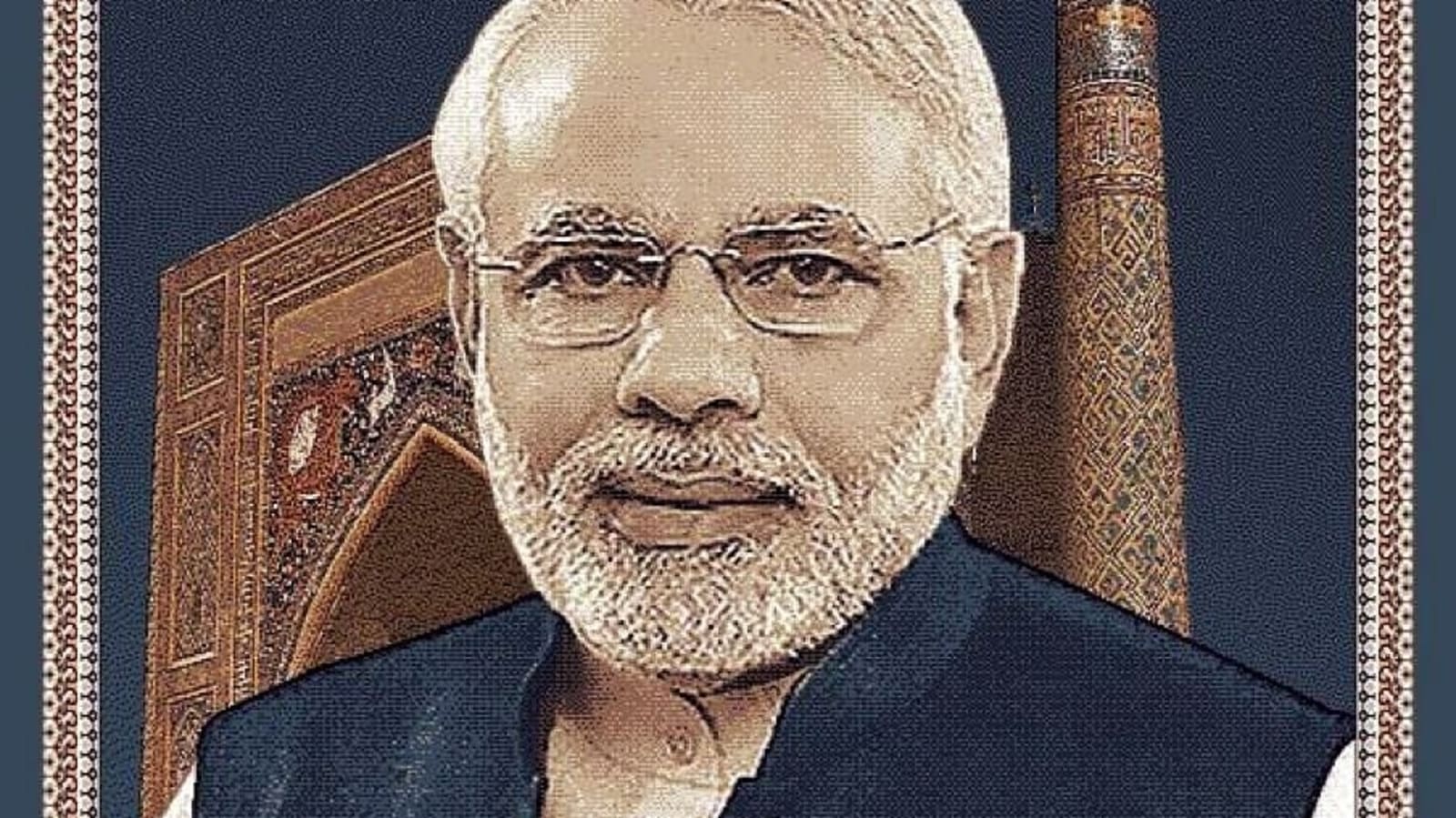
Foreign policy rarely shifts overnight, but symbols carry heavy weight in international relations. Prime Minister Narendra Modi just accepted Uzbekistan's highest state decoration for foreign leaders, the 'Oliy Darajali Do'stlik' Order, handed over directly by President Shavkat Mirziyoyev at the Kuksaroy Presidential Palace in Tashkent.
Most people dismiss these awards as mere diplomatic pleasantries. That is a mistake. Read more on a similar topic: this related article.
Understanding the Oliy Darajali Dostlik Order
Uzbekistan doesn't hand out this decoration casually. The 'Oliy Darajali Do'stlik' translates directly to the Order of High-Level Friendship. It is specifically reserved for international figures who visibly alter and strengthen bilateral ties, economic cooperation, and strategic alignment with Tashkent.
When Modi received the medal, he didn't lean into standard bureaucratic rhetoric. Instead, he dedicated the honor straight to the 1.4 billion citizens of India, framing it as an ongoing testament to civilizational ties between South Asia and Central Asia. Additional analysis by USA Today explores comparable perspectives on the subject.
Why does this matter right now? Simple. Central Asia is a major battleground for geopolitical influence involving Russia, China, and Western powers. India's quiet, steady diplomatic push into the region is finally paying visible dividends.
Why India Cares About Uzbekistan
Geography dictates destiny. Uzbekistan sits right at the heart of Central Asia, acting as a crucial transit hub and trade gateway. For years, New Delhi struggled to maintain consistent, overland access to Central Asian markets due to regional bottlenecks.
Under President Mirziyoyev, Tashkent has opened up significantly. Economic reforms, trade diversification, and regional connectivity projects have turned the country into an attractive partner for New Delhi.
- Trade volume is climbing steadily.
- Defense cooperation and joint counter-terrorism exercises have intensified.
- Educational and cultural exchanges have expanded across universities in both nations.
When Modi says the relationship spans political, economic, and strategic spheres, he isn't exaggerating. Energy security and rare minerals are also major talking points behind closed doors. Uzbekistan holds vast natural resources that rapidly developing economies desperately need.
The Bigger Picture in Central Asia
Look closely at Modi's regional itinerary. The Tashkent visit wasn't an isolated diplomatic stop; it was part of a broader push into Central Asia, including his subsequent departure for Kyrgyzstan.
India's strategy here is distinct from Beijing's infrastructure-heavy approach or Moscow's historical security umbrella. New Delhi emphasizes capacity building, digital public infrastructure, and pharmaceutical trade without locking partner nations into crushing debt traps.
Uzbekistan recognizes this balanced approach. Honoring Modi with the highest foreign state distinction signals that Tashkent values India as a reliable, non-hegemonic counterweight in its multi-vector foreign policy.
Diplomacy is messy, but medals like this strip away the noise to show who is actually building lasting alliances. Keep an eye on trade corridors opening up through Iran's Chabahar Port connecting directly into Central Asia. That is where the real story unfolds next.