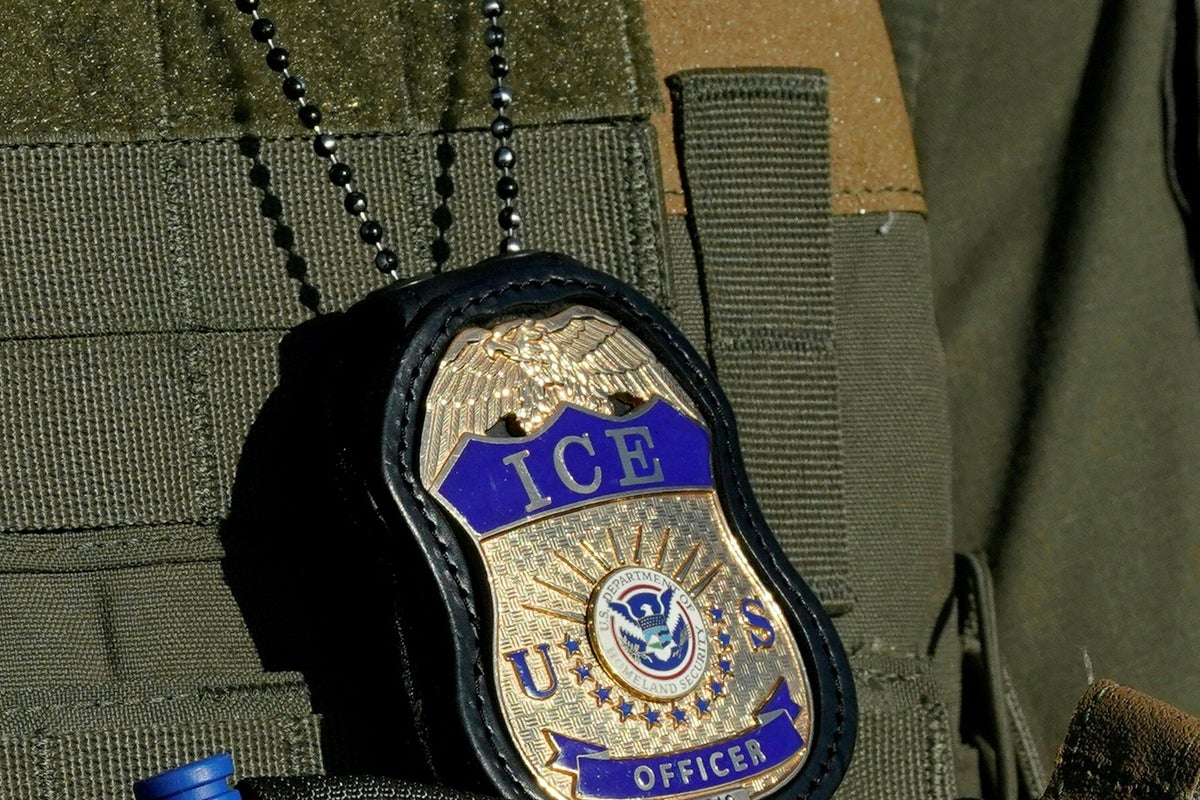
A routine morning at a gas station near St. Augustine, Florida, just turned into a fatal scene that is shaking federal law enforcement strategy. Before 7 a.m., Immigration and Customs Enforcement (ICE) and Homeland Security Investigations (HSI) officers approached a vehicle with four people inside. What happened next was a chaotic foot chase that ended when a 28-year-old Mexican national sprinted onto State Road 16 and was struck and killed by a tractor-trailer.
The truck driver stopped immediately and tried to help, but the man died right there at the scene near the Interstate 95 ramps.
This isn't just an isolated tragedy in Northeast Florida. It marks the third death during an ICE enforcement action in a single week, following highly controversial fatal shootings by agents in Maine and Texas. The rapid escalation of these fatal encounters has pushed the Department of Homeland Security (DHS) into damage control, forcing an immediate operational freeze on the exact types of traffic stops that led to these deaths.
Three Deaths in Seven Days Under Scrutiny
To understand why this Florida highway death matters so much, you have to look at the pressure cooker building around federal immigration enforcement right now. This incident is part of a pattern of recent enforcement interactions that turned fatal within days of each other:
- Houston, Texas: An ICE officer shot and killed 52-year-old Lorenzo Salgado Araujo during an enforcement operation. Early reports indicate he wasn't even the actual target of the operation.
- Biddeford, Maine: Agents fatally shot 26-year-old Johan Sebastián Durán Guerrero during a vehicle stop. Independent Senator Angus King later noted that Durán Guerrero wasn't the target of the underlying warrant.
- St. Augustine, Florida: The latest incident where a 28-year-old man was killed by a commercial truck while running from federal agents.
The political blowback was instantaneous. Florida State Representative Angie Nixon quickly criticized the agency, stating that these operations are producing widespread panic and tragic outcomes in local communities. Meanwhile, the Mexican government formally requested that U.S. state attorneys general review these recent operations for potential criminal prosecution.
The Immediate Policy Fallout
The mounting scrutiny forced DHS to make a massive tactical pivot. Right after the Florida crash, a senior DHS official confirmed that ICE issued a nationwide directive ordering all officers and agents to stop executing vehicle stops, effective immediately.
The reasoning behind the sudden freeze is obvious. Traffic and vehicle stops are notoriously unpredictable. When people panic and run, whether in a car or on foot, the risk of a catastrophic accident or a fatal shooting skyrockets.
Body-worn camera policy is also complicating the fallout. In both the Maine and Texas shootings, agents weren't wearing body cameras. Lawmakers are currently arguing over whether government funding delays held up the rollout of those cameras, leaving investigators reliant on dashcams, local surveillance, and witness accounts to piece together what went wrong.
What Happens Next
The Florida Highway Patrol and HSI are currently running concurrent investigations into the St. Augustine crash. Investigators are working to figure out what sparked the initial interaction at the gas station and what happened to the other three people who fled the vehicle.
If you are an advocate, legal professional, or community organizer tracking federal enforcement tactics, watch these developments closely:
- Monitor local investigative findings: Keep tabs on the Florida Highway Patrol reports regarding the St. Augustine incident to see if any local pursuit policies were breached.
- Track the vehicle stop ban: Watch how long ICE keeps its temporary vehicle stop freeze in place and what new safety protocols or training mandates replace it.
- Watch the body camera debate: Keep an eye on congressional pressure regarding the deployment of mandatory body-worn cameras for all active field agents.