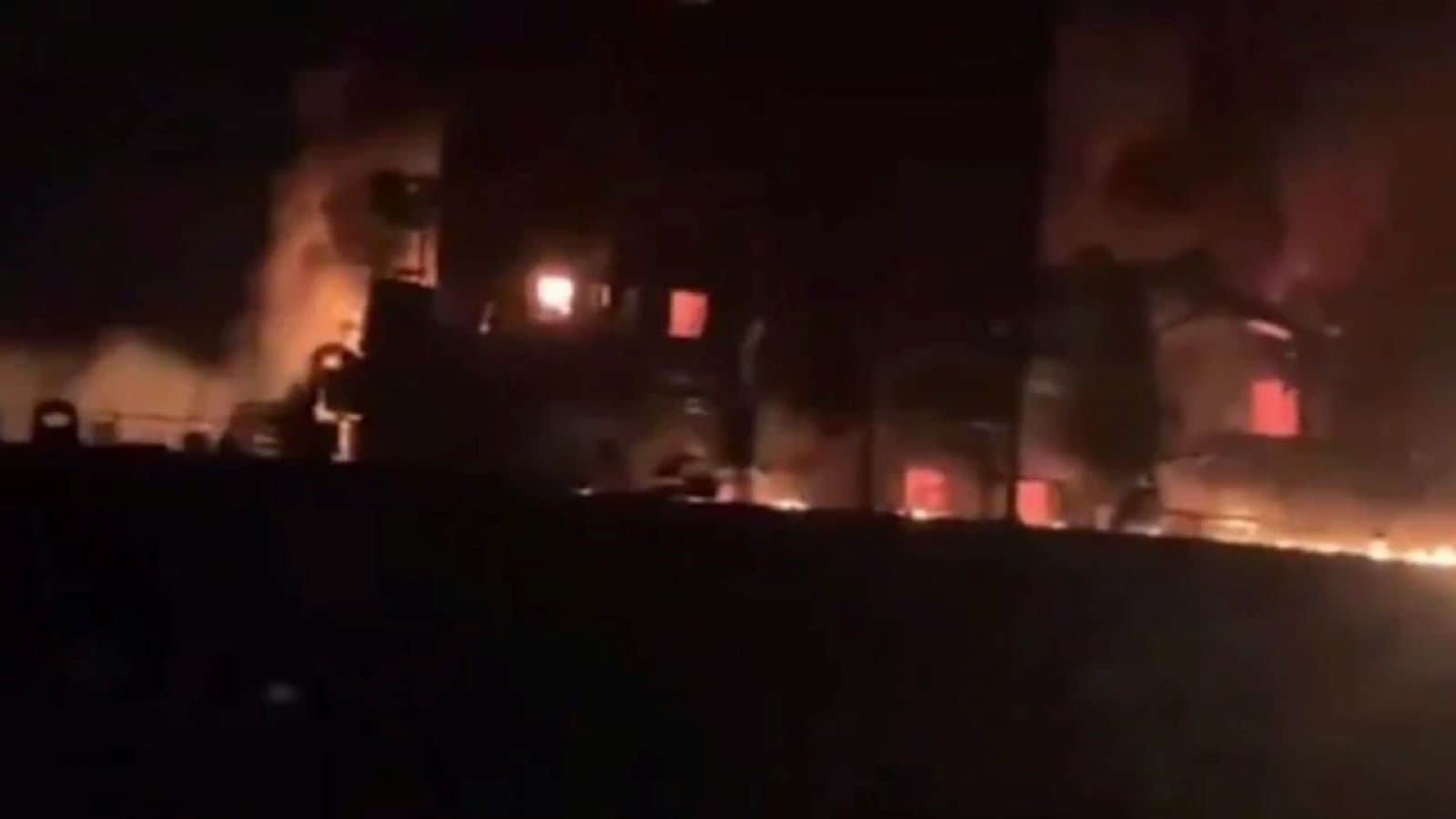
The Strait of Hormuz isn't just another shipping lane. It's the jugular vein of global energy. When an oil supertanker carrying more than two million barrels of crude explodes after striking a naval mine, it's not a localized maritime accident. It's a loud, dangerous escalation that changes the math for global markets overnight.
Iran's Islamic Revolutionary Guard Corps didn't mince words following the blast. According to state media reports via outlets like Tasnim and Sepah News, the targeted supertanker was moving through an unauthorized corridor with its radar and positioning systems completely dark. Tehran claims the vessel tried to slip through under the cover of US military backing. The consequence? A massive fire, an unverified casualty count, and a blunt warning that the strategic waterway remains firmly locked down.
Why This Tanker Blast Changes Everything
For months, shipping companies and energy traders have played a dangerous game of chicken in the Persian Gulf. Ever since joint US and Israeli strikes hit Iranian territory back in February 2026, maritime transit through this narrow choke point has turned into a high-stakes gamble.
Most people don't realize how fragile global oil supply chains actually are. Roughly a fifth of the world’s petroleum passes through this 21-mile-wide passage. When Tehran declares the strait closed to vessels affiliated with the US or Israel—and backs that claim up with actual naval mines—insurance premiums skyrocket, commercial fleets halt operations, and energy prices swing wildly.
The IRGC's official stance is absolute. They've made it clear that any ship attempting to bypass Iranian regulations or relying on foreign military escorts to sneak through unauthorized routes is gambling with total destruction. It's a stark message: Washington's protection won't save you from a sea mine in the dark.
The Fallout for Global Markets and Energy Security
Energy markets hate uncertainty, and right now, uncertainty is the only thing guaranteed. Shipping lines are scrambling to reroute vessels around the Cape of Good Hope, adding weeks to transit times and inflating freight costs. Importers across Asia and Europe are watching their fuel bills climb as spot prices react to every flashpoint in the Gulf.
Let's be honest about what happens next. Military escorts can reduce risk, but they can't sweep every hidden threat in contested waters. When a two-million-barrel crude carrier goes up in flames, it sends a chilling signal to every independent ship captain operating in the Middle East. You can turn off your transponder all you want, but physics and naval mines don't negotiate.
Iran's leadership has signaled that normal transit won't resume until broader geopolitical demands are met, particularly regarding foreign military presence in the region. Until those core disputes find a diplomatic off-ramp, the Persian Gulf remains an active hazard zone.
Keep a close eye on maritime insurance rates and tanker tracking data over the coming days. The real test won't be what diplomats say in press briefings, but whether commercial operators are willing to keep rolling the dice in waters where a single hidden mine can write off a multi-million-dollar cargo ship in seconds.