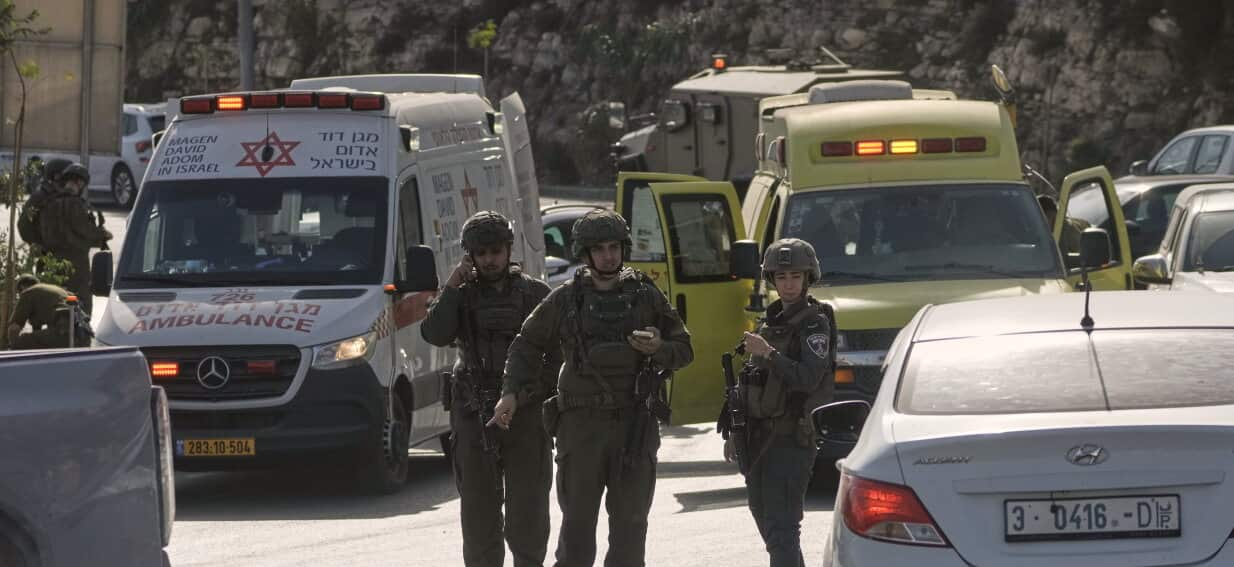
Tension is spiking across the region once again. Israeli Prime Minister Benjamin Netanyahu has ordered security forces to impose an immediate lockdown on the city of Hebron and prepare for a total closure of the occupied West Bank. This dramatic move follows a morning shooting incident near the Judea Junction that left at least five Israelis injured, some critically.
Israeli troops rushed to the scene and killed the two suspected attackers immediately. According to military reports, the assailants were armed with an M16 rifle and a handgun, carrying significant ammunition supplies. Officials claim quick action by soldiers prevented a much larger, catastrophic assault.
The timing here isn't random. With Israeli voters heading to the polls on Tuesday to decide whether to grant Netanyahu another term, security has instantly dominated the national conversation.
Inside the Hebron Incident and Security Response
The clash erupted early Friday morning near Hebron in the southern West Bank. Emergency services, including Magen David Adom, confirmed that five people sustained gunshot wounds during the attack, with at least two victims treated for critical injuries.
Soldiers stationed at the checkpoint engaged the gunmen, eliminating both individuals on the spot near a local petrol station. Following the shootout, Netanyahu's office announced strict measures.
- Immediate security cordon around Hebron.
- Preparations for a full lockdown across the entirety of the West Bank.
- Cancellation of political campaign meetings for Friday.
Netanyahu praised the military response directly. "I salute the courage of our soldiers who acted with determination and prevented what could have been a major attack," he stated. Meanwhile, militant group Hamas praised the incident as a heroic operation without officially claiming direct responsibility, calling for heightened action.
The Electoral Stakes and Political Pressure
Politics and security are permanently intertwined in Israeli elections, and this cycle is no exception. Voters face a high-stakes decision next Tuesday that will shape the country's political landscape three years after the outbreak of the Gaza war.
Netanyahu is locked in a tight race to secure another term. Security crackdowns right before an election often shift public focus firmly toward national defense. Critics argue these rapid military lockdowns amplify collective punishment for ordinary Palestinians living in the territory, who face severe movement restrictions, economic bottlenecks, and sudden checkpoints.
On the other side, supporters view these emergency closures as a necessary shield against ongoing threats. Security agencies have warned repeatedly about potential escalations orchestrated by external and internal adversaries as election day approaches.
What Happens Next on the Ground
Movement across the West Bank is now severely constrained. Checkpoints have tightened, and military reinforcements from the Central Command have flooded the area to conduct extensive search operations.
If you are tracking the situation, expect heavy troop deployment, major traffic delays across Palestinian territories, and a hyper-charged political debate in Tel Aviv and Jerusalem as candidates make their final pitches to voters before Tuesday's ballots open.