When the Chinese Communist Party announces a high-stakes gathering like the Central Committee plenum, outside observers often scramble to decode what's actually happening behind closed doors. You're looking at a tightly managed political machine where every date, attendee, and agenda item is calculated years in advance. Understanding how these sessions work cuts through the noise of state media and gives you a realistic view of how elite politics function in Beijing.
What Exactly is a Party Plenum
A plenum is essentially a plenary session where the Central Committee of the Chinese Communist Party gathers to conduct major business. The committee itself comprises roughly two hundred full members and over one hundred alternate members, pulling from the absolute top tier of China's political and military establishment. You might also find this similar story interesting: The Nyc Tragedy That Left An Immigrant Father Fighting For His Daughter's Dignity.
Party rules dictate that the Politburo must convene the Central Committee at least once a year. Across a standard five-year political cycle, you typically see seven distinct plenums. Each one carries a specific unspoken portfolio. The third plenum usually focuses on sweeping economic reforms, while sessions later in the cycle tend to pivot toward party governance, ideology, or laying the groundwork for the next major leadership congress.
Inside the Closed Door Sessions
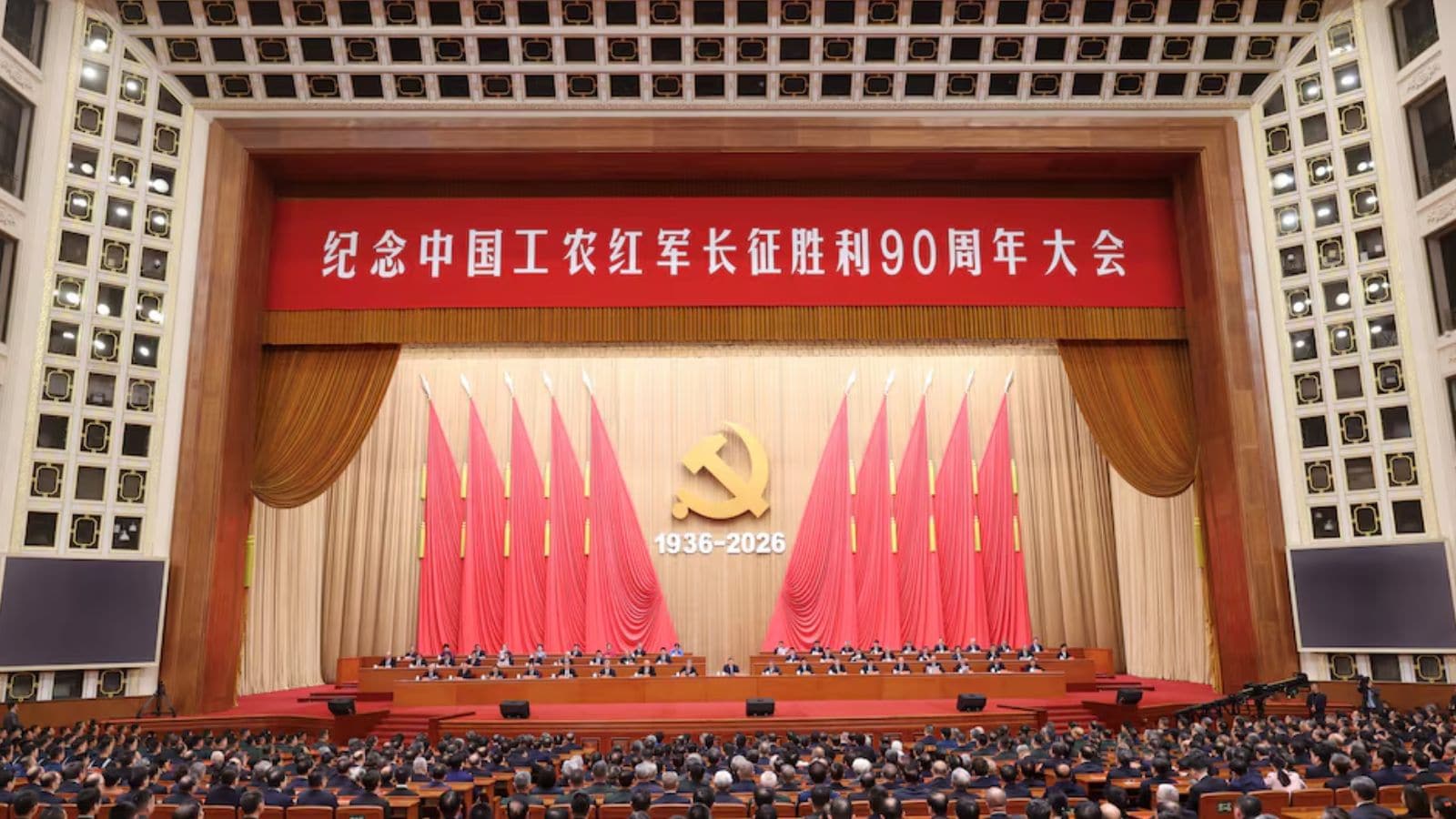
You won't catch live broadcasts or unscripted debates coming out of these meetings. Historically convened under heavy security at venues like Beijing's Jingxi Hotel, the proceedings happen entirely behind closed doors. Participants debate drafts prepared by top leadership, vote on official communiqués, and finalize policy directions that will guide government ministries for months or years. As extensively documented in latest coverage by Wikipedia, the implications are notable.
When the meetings wrap up, state media releases a heavily scrutinized official summary. If you want the full picture, you usually have to wait several days for the publication of detailed implementation documents. Analysts spend hours comparing minor phrasing changes in these texts against previous communiqués to spot subtle shifts in national priorities.
Why These Meetings Still Matter
Skeptics often write off authoritarian plenums as mere rubber-stamp exercises where decisions have already been made long before delegates step into the room. While elite consensus is indeed hammered out beforehand, the final meetings serve as vital institutional moments. They codify political alignment, resolve internal factional disputes, and signal immediate regulatory changes to foreign investors and domestic bureaucrats alike.
Watching these events requires looking past the propaganda headlines. Pay attention to structural timing, committee attendance anomalies, and the specific policy language regarding economic self-reliance or discipline. That's where the real story lives.
Read more about this political gathering in the Asia Society Party Plenums Guide.
Watch a related analysis on CCP's Fourth Plenum Opens Amid Potential Shakeup in Top Power Circle. This video breaks down how top leadership navigates internal power shifts and high-level structural updates during major party meetings.