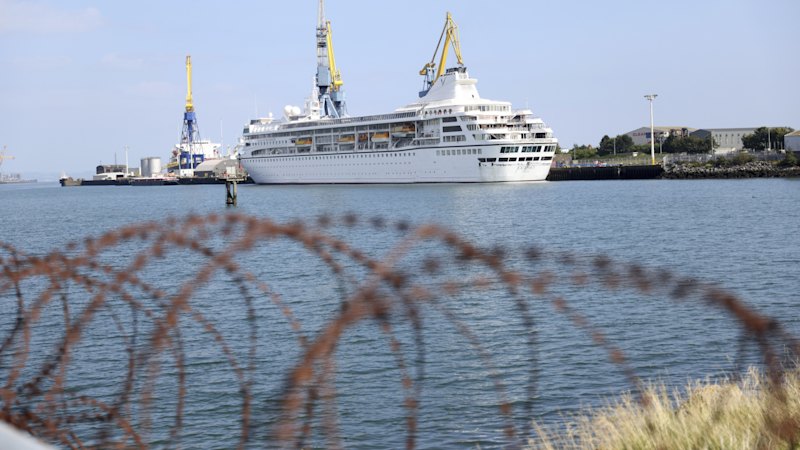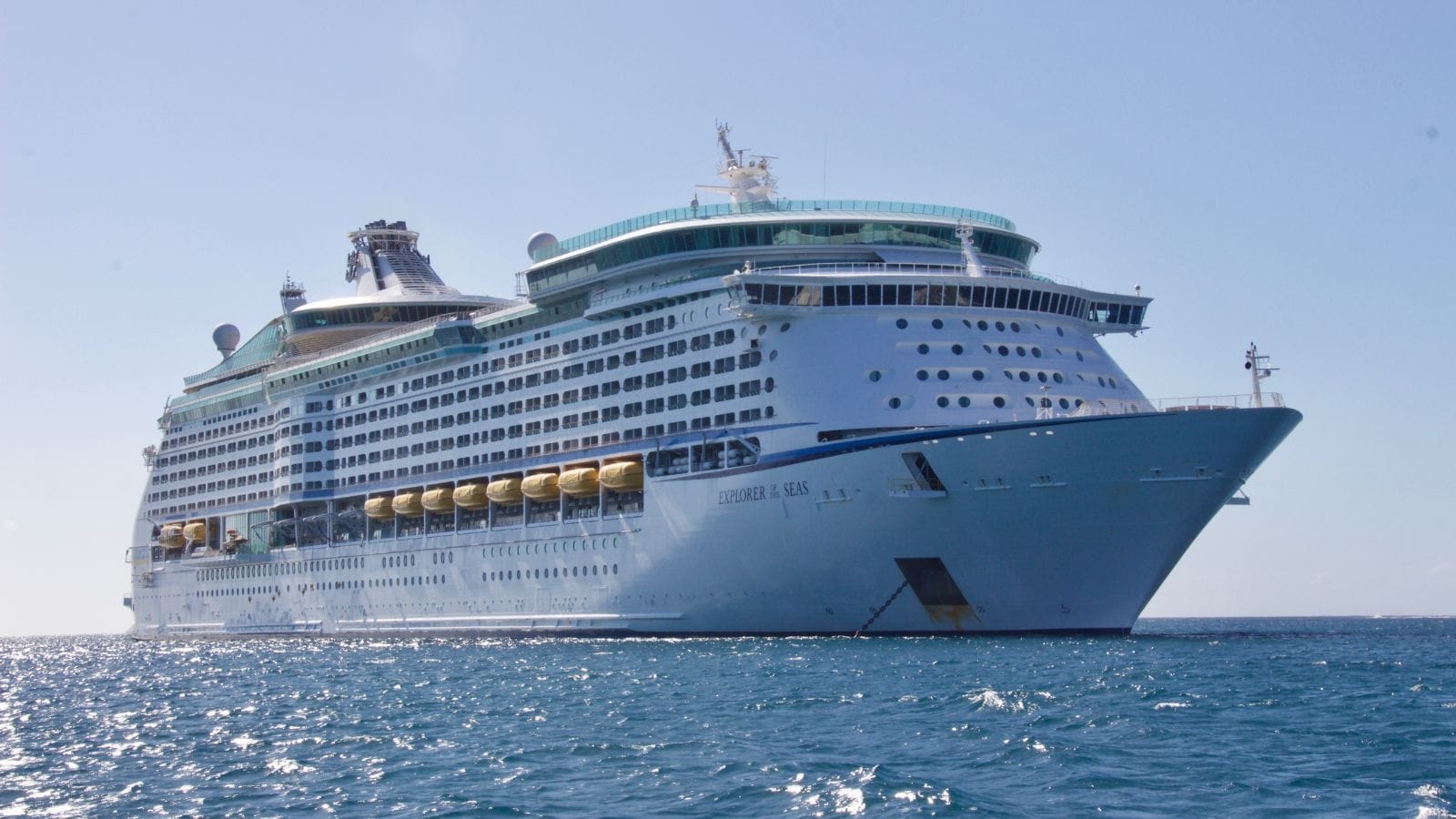
If you paid upwards of $120,000 to live out your golden years circumnavigating the globe on a floating residential utopia, waking up to an abrupt eviction notice in Cambodia probably wasn't part of the brochure.
Yet that is exactly how reality crashed down for hundreds of passengers aboard the Villa Vie Odyssey. Marketed as an endless world cruise where you could buy cabin ownership and sail forever, the venture hit a massive wall when management announced an immediate suspension of operations. The culprit? Skyrocketing fuel costs that made the financial model completely unsustainable overnight.
The Illusion of Endless Cruising
The appeal of residential cruising sounds bulletproof on paper. Instead of paying mortgages, property taxes, and utility bills on land, you invest six figures into a ship cabin, pay monthly maintenance fees, and let the ocean views change daily. You get a built-in community, endless horizons, and zero domestic chores.
The Villa Vie Odyssey promised precisely this dream. But building a lifestyle around a aging vessel—the ship was originally built in 1993 and formerly operated as a Fred. Olsen liner—comes with steep operational hurdles. Long before the ship dropped anchor in Cambodia, cracks in the foundation were showing. There were delayed departures, mounting maintenance needs, and repeated cash calls asking residents to chip in extra funds just to keep the engines running.
When global oil prices spike and operating expenses surge, a niche cruise startup doesn't have the deep corporate pockets of legacy lines like Royal Caribbean or Carnival. When the margins disappear, the ship stops moving. Literally.
The Seven-Hour Warning
What stings most for the passengers isn't just that the journey ended—it is how the shutdown went down. Residents reported receiving a memo early in the morning stating that management could no longer secure fuel. They were given a mere window of a few hours to pack their entire lives, gather their belongings, and disembark in Cambodia.
Imagine trying to figure out international flights home, handling thousands of dollars in prepaid investments, and processing the sudden loss of your floating home while standing on a dock in Southeast Asia with suitcases in hand. For many retirees who sold their land-based homes to embrace this nomadic adventure, the sudden pivot was emotionally and physically exhausting.
Corporate statements pointed to "extraordinary increases in fuel costs" and ongoing restructuring talks, but corporate survival jargon offers little comfort when you're stranded halfway across the world with no confirmed timeline or guaranteed refund.
The Financial Fragility of Niche Maritime Models
This messy situation exposes a glaring risk in alternative travel and living models. Traditional cruise lines hedge their fuel requirements years in advance, operate massive fleets to absorb regional losses, and carry robust insurance policies. Smaller operators working on razor-thin margins rely heavily on a steady stream of incoming cash and continuous occupancy to pay for daily fuel bunkering.
When fuel markets surge or unexpected port fees hit, the buffer vanishes instantly. Residents become unsecured creditors overnight. They have skin in the game through upfront ownership stakes, but zero operational control when management fails to secure financing.
Protecting Yourself in the Age of Experimental Travel
If you are eyeing alternative living concepts—whether it's fractional ownership yachts, residential airships, or long-term community cruises—take a hard look at the financial architecture before handing over your life savings.
Always check whether the operator owns their vessels outright or leases them through heavy debt structures. Demand transparency regarding cash reserves and fuel hedging strategies. If an operator relies entirely on ongoing monthly dues and new passenger buy-ins just to pay for next week's bunker fuel, run the other way.
The dream of living permanently at sea remains deeply seductive. But as the passengers of the Villa Vie Odyssey just learned the hard way, paradise has a fuel bill—and when nobody can pay it, the dream ends on a dock in Cambodia.
Cruise ship passengers in Cambodia clear of coronavirus, docking after two weeks stranded
This video provides historical context on how port logistics and emergency passenger handling operate during unexpected maritime disruptions in Cambodia.