You are sitting at 35,000 feet, sipping a lukewarm coffee, when the cabin crew’s tone shifts. It is that subtle change in cadence every frequent flyer dreads. Minutes later, the pilot's voice crackles over the intercom with news that changes the trajectory of your day: an immediate, unscheduled diversion.
That nightmare scenario became a reality for passengers aboard Vueling flight VY3008 traveling from Barcelona to Gran Canaria. A bomb threat phoned into authorities turned a routine Spanish domestic hop into a high-stakes security operation. When the aircraft touched down, it was directed straight to an isolated tarmac zone, surrounded by heavy bomb disposal units, and evacuated under intense scrutiny.
It sounds like a Hollywood thriller script. But behind these flashing lights and panicked headlines lies a strict, unforgiving aviation protocol that leaves zero room for error. When someone calls in a threat against a commercial airliner, airport authorities and airline executives operate under a singular, uncompromising rule: treat every single warning as 100 percent real until proven otherwise.
The Protocol Behind a Mid Air Security Scare
What actually happens when air traffic control receives a terror warning mid-flight? Commercial aviation security is built on layers of redundancy designed decades ago, and they kick into gear instantly.
The moment a threat is logged—whether via an anonymous phone call to a regional airport office, a social media post, or an airline's customer service line—the information is funneled directly to national security command centers and flight dispatchers. Pilots are notified via secure data links or encrypted radio channels.
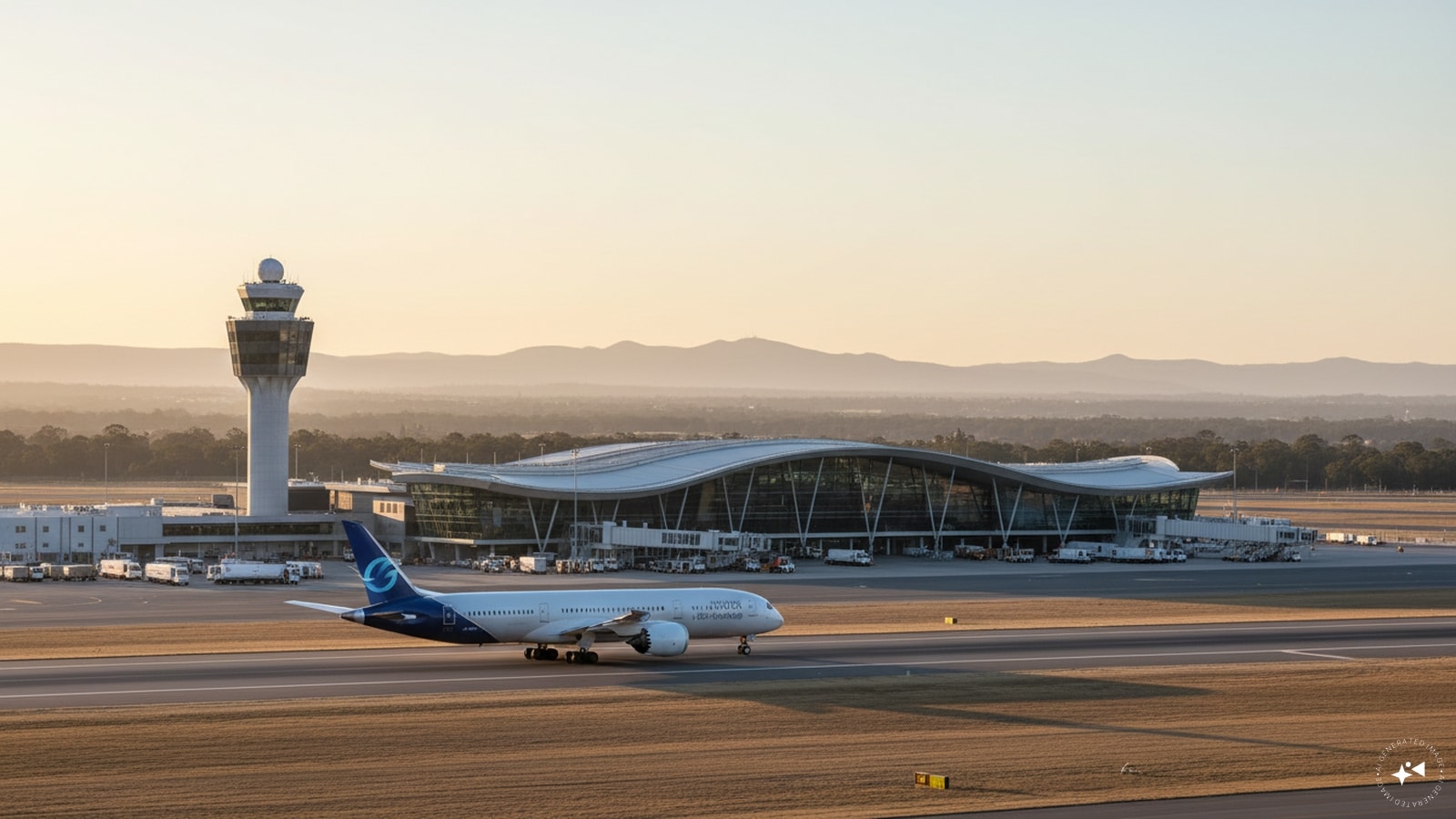
They do not debate the credibility of the caller at 40,000 feet. The crew immediately calculates the closest safe airport with adequate emergency infrastructure. Gran Canaria Airport, a major hub in the Canary Islands, possesses specialized remote hardstands specifically designated for aircraft isolation during security incidents.
Moving a suspected aircraft away from passenger terminals is standard operating procedure. Airports keep designated isolation bays far from main infrastructure to minimize potential blast radii and protect thousands of other travelers inside terminal buildings.
Why False Alarms Still Cause Maximum Disruption
In the case of flight VY3008, local media reports and subsequent security sweeps pointed heavily toward a false alarm. But passengers did not walk off the plane and into a waiting taxi five minutes later. They faced hours of tarmac delays, baggage re-screening, explosive-detection K9 sweeps, and rigorous identity checks.
Why go through such massive logistical hell for a hoax?
Because the cost of ignoring a threat is infinitely higher than the cost of inconvenience. Aviation history is littered with tragedies that taught regulators painful lessons. Security agencies would rather look foolish clearing an empty plane for three hours than risk a catastrophic failure.
Hoax callers often think they are playing a harmless prank or testing emergency response times. They fail to grasp the massive economic and psychological toll. Diverting a modern commercial airliner burns thousands of dollars in jet fuel, disrupts connecting flights across entire European networks, and strands hundreds of exhausted travelers.
What You Should Know If Your Flight Gets Diverted
If you ever find yourself caught in a security diversion or an emergency tarmac evacuation, your reaction matters. Panic spreads faster than cargo smoke in a cabin.
First, listen exclusively to the flight crew. Cabin attendants undergo grueling emergency evacuation training annually. They know how to pop slides, manage crowd flow, and get people away from a compromised hull in seconds. Leave your cabin bags behind. Grabbing a roll-aboard suitcase while people are evacuating a suspected bomb threat is dangerous and selfish.
Second, expect a complete communication blackout from authorities for the first hour. Police and intelligence units lock down information fields immediately to prevent public panic and manage the unfolding tactical situation on the ground.
Bomb threats against commercial aviation remain a terrifying reminder of the vulnerabilities in global transit. While the vast majority turn out to be malicious hoaxes or cowardly pranks, the machinery that protects us will never hesitate to pull a plane out of the sky to keep people safe. Next time you board a flight, remember that an army of unseen professionals is constantly calculating worst-case scenarios so you can reach your destination intact.