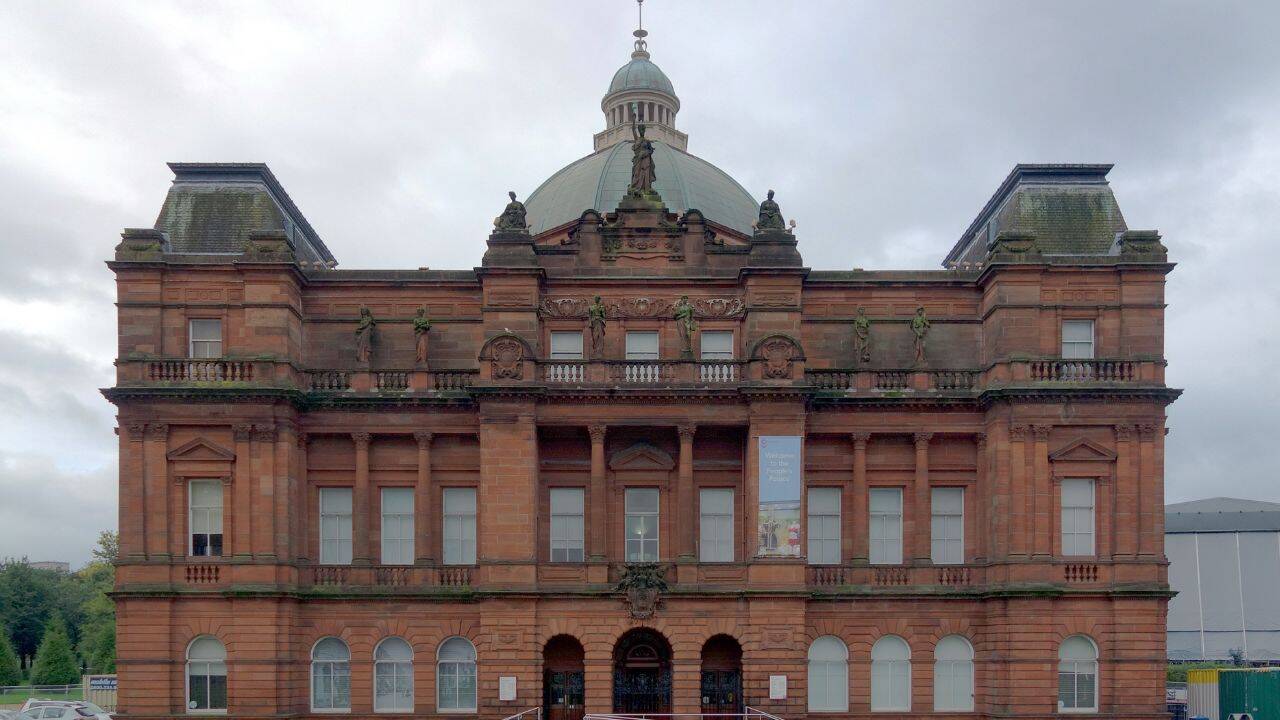
You don't build a palace for everyday workers unless you want to make a serious statement. Back in 1898, Glasgow did exactly that. Set right inside Glasgow Green, one of the oldest public parks in the UK, the People's Palace was never meant for kings or queens. It was built as a civic space of pleasure and imagination for a gritty industrial city. Now, over a century later, this iconic red sandstone landmark is getting a massive second wind.
A fresh ten million pound grant from the National Lottery Heritage Fund has officially locked in the funding needed to restore its historic glasshouse. It's a huge milestone for a city that has watched parts of its architectural soul sit shuttered and quiet. If everything goes according to plan, the doors will swing back open in December 2029.
The Long Road to Closure and Recovery
Let's be honest about the state of things. The Winter Gardens glasshouse has been closed since 2019 due to structural safety concerns, and the main museum building followed suit when it shut its doors in April 2024 for a much-needed, comprehensive overhaul. Locals missed it. Tourists felt the gap.
The overall price tag for this massive revival sits at roughly fifty million pounds. While the ten million pound injection from the Heritage Fund is grabbing headlines, it forms part of a broader strategy by Glasgow City Council and Glasgow Life to rescue the site from total decline. Structural stabilization is only half the battle. The real goal is upgrading environmental sustainability and making the entire venue fully accessible for modern visitors.
What Makes This Space Different
Most museums feel clinical and distant. The People's Palace has always operated differently because its exhibits belong directly to the people of the city. Walking through its halls means confronting the raw, unfiltered social history of Glasgow from 1750 onward.
You won't just see dusty artifacts behind glass. The collections capture real struggles, changing neighborhoods, fierce politics, and local nightlife. When the venue reopens, the newly reimagined layout will focus on specific thematic punchlines: Politics and Protest, Culture and Nightlife, and Housing, Health, and Homelife.
Culturally significant pieces are already lined up for their return. Ken Currie's striking paintings, original signage pulled straight from the Barrowland Ballroom, and the unmistakable Banana Boots worn by comedian Billy Connolly will anchor the revitalized exhibits. On top of that, a dedicated ground-floor learning space will ensure the building functions as an active community hub rather than a static storage room for old relics.
Reconnecting Museum and Glasshouse
The separation of the museum from its glasshouse was a painful blow for heritage advocates. For generations, stepping out of the industrial grit of Glasgow into the lush, tropical environment of the Winter Gardens offered a vital breath of fresh air.
This restoration project reconnects the two halves into a single, cohesive destination. You will once again be able to wander through the lush flora right next door to the social history galleries. That flow is what made the original 1898 vision so magical.
Councillor Ricky Bell and Heritage Fund Chief Executive Eilish McGuinness have both emphasized that this landmark belongs at the heart of Glasgow's identity. They aren't wrong. Cities grow, industries shift, and old buildings crumble if you ignore them. Pumping fifty million pounds into a Victorian civic palace is a bold bet on the cultural future of the city.
Mark your calendar for December 2029. Glasgow's working-class palace is getting ready to welcome everyone back.