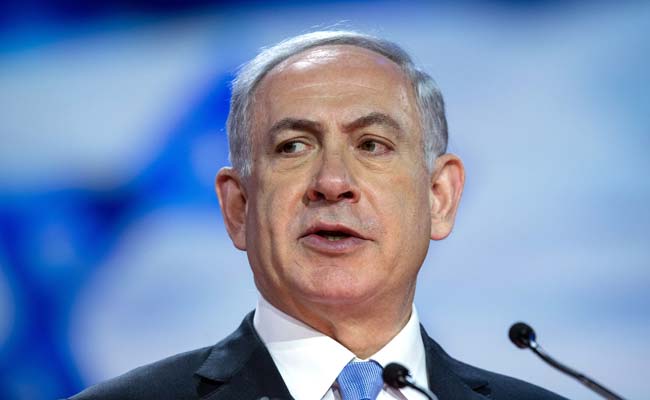
The Middle East is teetering on a knife-edge again, and the latest warnings coming out of Jerusalem make it clear that the temporary calm we saw last month is effectively dead. Speaking from the Negev desert city of Dimona, Israeli Prime Minister Benjamin Netanyahu issued a blunt, public threat to Tehran. He warned that any future attack on Israeli soil would be met with a response "far more powerful" than anything Iran has experienced before.
If you've been tracking the chaotic back-and-forth between Israel and Iran, you might be tempted to write this off as standard political posturing. That would be a mistake. To understand why this moment is different, you have to look at the crumbling regional security architecture, a failing diplomatic deal, and a shipping crisis that's threatening to choke off global energy supplies. Netanyahu isn't just speaking to his domestic base here. He's laying down a clear red line for an administration in Washington that's desperately trying to keep a fragile peace from completely falling apart.
The Dimona Declaration and What It Signals
Netanyahu chose his venue carefully. Dimona is home to Israel’s nuclear research facility, making it a highly symbolic backdrop for major security announcements. Addressing a conference on Tuesday, the Prime Minister didn't mince words about the limits of Israeli patience.
"Do not expect a repeat of what happened before, because there will be no repeat," Netanyahu told Iran's leadership. "The previous response was powerful enough, but any further attempt to harm us will be met with a different response — far more powerful."
To understand what Netanyahu means by "what happened before," we have to look back at the events of June 8. Following a wave of Iranian ballistic missile strikes, Israel launched a highly targeted, destructive air campaign that hit petrochemical facilities in southwest Iran. That response was designed to hurt Iran’s economy without triggering an all-out, region-wide war. It worked well enough to force a temporary ceasefire, but Netanyahu is making it clear that Israel won't limit itself to economic targets next time.
What's really driving this warning is Israel’s growing frustration with what it sees as Iran’s proxy strategy. Tehran has been launching attacks against US allies and global shipping while trying to avoid direct accountability. Netanyahu is signaling that the era of treating proxy warfare as a separate issue is over. If an Iranian-backed group or Iran itself strikes Israeli territory, the retaliation will target the heart of the Islamic Republic.
The June Eight Petrochemical Strikes and the Illusion of Deterrence
When Israel struck Iran's southwest petrochemical facilities on June 8, military analysts called it a measured but highly effective demonstration of capability. By avoiding nuclear sites and strictly targeting economic infrastructure, Israel sent a clear message: we can bypass your air defenses at will and strike the assets that fund your government.
For a brief moment, it looked like the strategy had worked. A ceasefire was hastily put together under heavy pressure from Washington. But deterrence is a fragile thing in the Middle East. While the direct exchange of missiles between Israel and Iran stopped, the underlying conflict simply shifted to other fronts.
Iran didn't stop its aggressive campaign. Instead, it redirected its focus toward regional shipping lanes and US allies in the Gulf. This shift has shown the limits of Israel's June 8 strikes. While those strikes protected Israel's borders temporarily, they didn't stop Iran's broader regional ambitions. This brings us to the core of the current crisis: the shipping lanes of the Persian Gulf.
The Strait of Hormuz is the Real Battleground
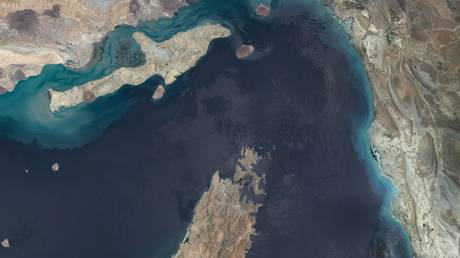
While the political rhetoric is focused on direct military strikes, the real economic war is playing out in the narrow waters of the Strait of Hormuz. This narrow waterway is the world's most important energy transit chokepoint. Roughly a fifth of the world's traded crude oil and natural gas passes through this strait during peacetime.
[Image map of the Strait of Hormuz and surrounding Middle East regions]
Iran has long used its geographical dominance over the strait as its ultimate strategic leverage. In recent weeks, Tehran has effectively shut down the passage by attacking and threatening commercial vessels.
The situation on the water is getting dangerous. Just days ago, Iran launched attacks targeting Bahrain, Jordan, and three commercial ships traveling through the strait. One mariner was killed, and eight others were wounded in these strikes. Two of the targeted vessels were oil tankers associated with the United Arab Emirates (UAE). The UAE has threatened to retaliate, a move that could easily draw the Gulf nation directly back into active military conflict with Iran.
What makes this shipping crisis so frustrating for international observers is that it comes right after a major diplomatic push. An interim Memorandum of Understanding (MOU) was signed just last month, brokered by Pakistani mediators. The deal, electronically signed by Iranian President Masoud Pezeshkian and US President Donald Trump, was supposed to create a framework for ending the conflict. It promised sanctions relief, a freeze on certain nuclear activities, and crucially, the reopening of the Strait of Hormuz.
Instead, Iran has continued to target ships moving through the strait, specifically on routes overseen by the US military that lie outside Tehran's direct control. The two UAE-linked tankers that were hit were set ablaze, sending panic through the global shipping sector and proving that the diplomatic deal is rapidly unraveling.
Regional Fallout and the Growing Danger to Aviation
The escalating tension isn't just affecting ships on the water. It's rapidly spilling over into the skies, making commercial aviation in the Middle East highly risky.
The European Union Aviation Safety Agency (EASA) recently reinstated and toughened its safety warnings for commercial airlines operating in the region. EASA has explicitly advised airlines to completely avoid the airspace of several Gulf nations, including:
- Bahrain
- Kuwait
- Qatar
- The United Arab Emirates
- The Gulf of Oman
The reasoning behind this warning is chilling. EASA pointed out that the heavy presence of major US military bases in these countries makes them prime targets for Iranian drone and ballistic missile strikes. There's also a very real risk that civilian aircraft could be misidentified by active air defense systems.
We've seen this tragic scenario play out in past conflicts, and with air defense units throughout the region on high alert, the margin for error is non-existent. Commercial airlines are now being forced to reroute flights around the entire Persian Gulf, adding hours to travel times and driving up fuel costs for global travel.
Why Diplomacy is Failing and What Comes Next
So, why did the Pakistan-mediated MOU fail so quickly? The reality is that Tehran and Washington had completely different expectations for the agreement.
Iran expected immediate, massive financial rewards and sanctions relief the moment the MOU was signed. When those rewards didn't materialize fast enough—largely due to political opposition in Washington and Israel's active lobbying against the deal—Tehran decided to flex its muscles. By targeting shipping lanes and US allies like Jordan and Bahrain, Iran is trying to force the US back to the negotiating table on more favorable terms.
But this is an incredibly risky gamble. By shutting down the Strait of Hormuz and attacking US allies, Iran is risking the very sanctions relief it desperately needs. They are playing a game of chicken with an American administration that is facing heavy domestic pressure to show strength.
Meanwhile, Israel has remained completely opposed to any deal with Tehran. Netanyahu’s government has consistently argued that diplomatic agreements only buy Iran time to advance its nuclear program while giving them a financial lifeline to fund regional proxies. Israel’s message is clear: if the US and its allies won't stop Iran, Israel will act alone.
What to Watch For in the Coming Weeks
The situation is highly volatile, and events are moving fast. If you want to understand where this crisis is heading, you need to keep your eyes on a few specific indicators:
- Retaliation for the Bushehr Strikes: Hours after the US announced it was ending its latest campaign of retaliatory strikes, the Iranian port city of Bushehr was hit in at least four separate locations. While no country has officially claimed responsibility, the state-run IRNA news agency reported the strikes, raising speculation that Gulf Arab states or Israel may have been behind the attack. If Iran blames Israel or the UAE and retaliates directly, Netanyahu’s "far more powerful" warning will be put to the test.
- The UAE's Response: The UAE has taken a relatively cautious diplomatic approach to Iran in recent years, but the direct attacks on its oil tankers could change everything. If Abu Dhabi decides to take military or covert action to protect its shipping, it will create a new, highly unpredictable front in the conflict.
- Pakistani Mediation Efforts: Regional mediators, led by Pakistan, are currently working around the clock to try and save the ceasefire. Watch to see if they can get US and Iranian negotiators back to the table to salvage the MOU before a major military escalation makes diplomacy impossible.
- U.S. Navy Escorts: Keep an eye on whether the US military begins actively escorting commercial tankers through the Strait of Hormuz. If the US Navy starts protecting Gulf-associated shipping, the likelihood of a direct clash between American forces and the Iranian Revolutionary Guard Corps (IRGC) will skyrocket.
We are no longer dealing with a cold war between Israel and Iran. The conflict has evolved into an active, multi-front war of attrition that is directly threatening global energy security, international aviation, and regional stability. Netanyahu's warning in Dimona wasn't just rhetoric; it was a clear sign that the next phase of this conflict could be incredibly destructive.