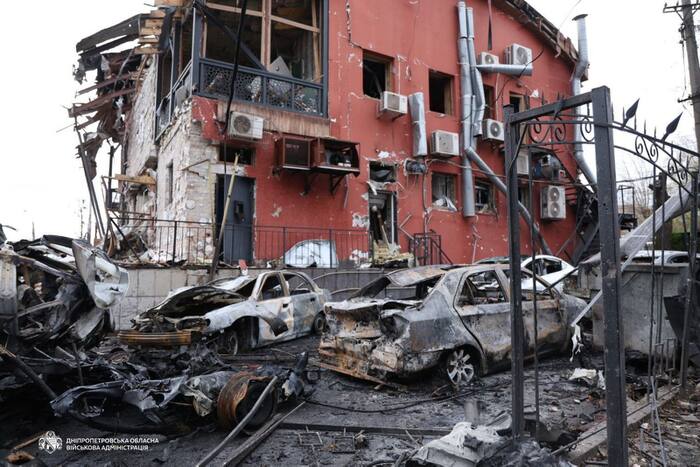
Talks between Washington and Tehran have hit a brick wall again, and mediators aren't sugarcoating what happens next. They're warning that they can't guarantee another round of military escalation won't break out if this standoff drags on.
At the center of the logjam sits a deceptively simple question: what happens to Iran's enriched uranium stockpile and its right to keep enriching? Washington wants a concrete roadmap and written guarantees that Iran will eliminate its enriched uranium stockpile and stop enriching altogether. Tehran says no deal is worth signing if it leaves Iran exposed to fresh strikes or strips away its sovereign program.
You see headlines like that and it's easy to treat it like just another diplomatic squabble. It isn't. When talks stall over enriched uranium right now, we're looking at a collision between nuclear physics, bruised credibility after months of active conflict, and chokepoint economics in the Persian Gulf.
Why uranium enrichment is the real dealbreaker
To understand why negotiators keep getting stuck on uranium enrichment, you have to look past diplomatic talking points and see what 60% enrichment actually means technically.
Natural uranium is mostly uranium-238, with only about 0.7% of the fissile isotope uranium-235. Civilian nuclear power plants typically run on low-enriched uranium around 3% to 5%. Weapons-grade material is generally considered around 90% uranium-235.
Once a country hits 60% enrichment—a level Iran has pushed up to hundreds of kilograms in recent International Atomic Energy Agency tallies—the hardest enrichment work is already behind it. As nuclear analysts at the Washington Institute explain, getting from natural uranium up to 60% takes most of the separative effort; jumping from 60% to 90% is a much shorter technical step if you have working centrifuges and material on hand.
That technical reality explains Washington's obsession with written assurances and stockpile elimination. From the U.S. side, letting Iran hold onto 60% enriched uranium—or keep domestic enrichment open—leaves a permanent breakout option sitting on the shelf. President Donald Trump has repeatedly insisted that any agreement has to be permanent and block Iran from getting a nuclear weapon, while questioning whether Tehran can be trusted to keep commitments after past clashes.
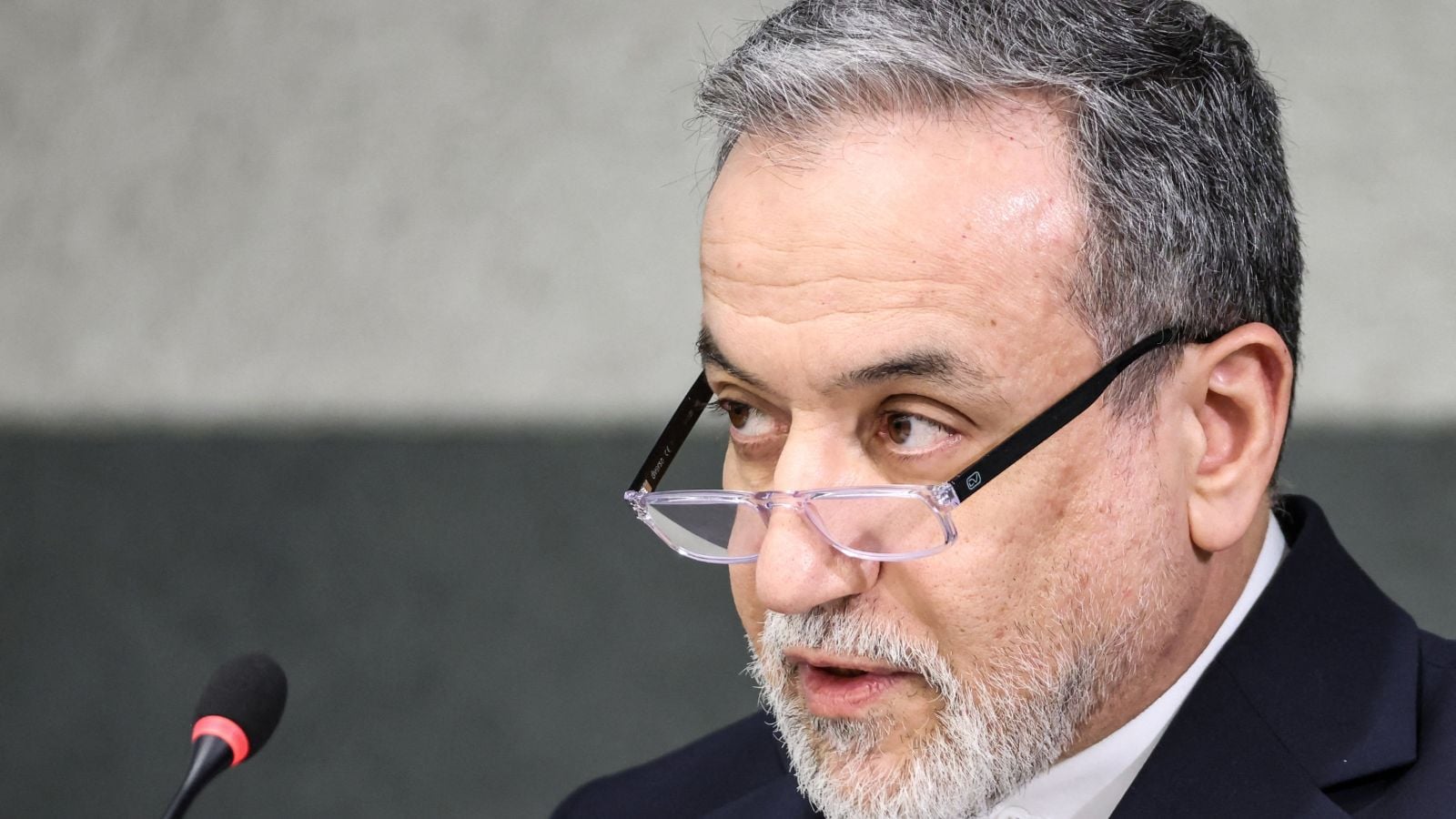
Yet from Tehran's perspective, giving up that material or shipping it out of the country looks like unilateral disarmament during a hot conflict. Iranian Foreign Minister Abbas Araghchi has made clear that while Tehran is open to discussing its 60% enriched uranium stockpile, moving that material outside Iran is a red line. Officials in Tehran have even said not a particle of enriched nuclear material will leave the country.
Enrichment vs. weapons capability: A common mix-up
People often assume that having 60% enriched uranium automatically means a country already has a nuclear bomb. Not quite.
Enrichment is one critical step, not the whole bomb-making chain. Turning enriched uranium gas into metallic uranium, machining a core, building a reliable detonation system, and designing something that can actually be delivered—whether by missile or aircraft—require separate engineering steps that inspectors and intelligence agencies track differently.
Still, when inspectors lose clear visibility into damaged or restricted sites, ambiguity itself becomes a weapon. That's why disputes over stockpiles and verification are so explosive. Neither side is arguing over abstract theory; they're arguing over leverage right before or between military moves.
Why mediators are warning of renewed conflict
If this were just a normal negotiation, mediators would draft a compromise text, trade a few face-saving lines, and keep talking. Mediators aren't talking like this is a normal negotiation because trust has basically evaporated under fire.
Araghchi put his finger on the core fear: why make concessions today if fighting breaks out again in weeks or months? He pointed to how quickly hostilities reignited after the June ceasefire—fighting resumed just 15 days later—to argue that Tehran won't sign a deal that merely pauses pressure without real guarantees against another attack.
On the flip side, U.S. officials argue that Iran wants sanctions relief, lifted blockades, and breathing room without accepting enforceable limits on its nuclear program or maritime behavior. State Department spokesman Tommy Pigott said economic pressure on Tehran will keep compounding over time and accused Iran of resisting U.S. terms even while signaling interest in talks. Meanwhile, reports out of Washington indicate U.S. forces already positioned in the region could launch major operations quickly if ordered, even as Trump says he isn't rushing into a decision.
Mediators—including regional players trying to keep a lid on broader escalation—are caught in the middle. When both sides treat every concession as a sign of weakness during an ongoing war, diplomatic proposals don't build momentum. They sit frozen.
The Strait of Hormuz is tied directly to the nuclear deadlock
You can't separate the uranium argument from what's happening on the water. The nuclear talks and the Strait of Hormuz standoff are tangled together like knots on the same rope.
Look at the map around the Persian Gulf and the Strait of Hormuz, which sits right next to Iran and links the gulf to the Gulf of Oman. A huge share of global oil and liquefied natural gas moves through that narrow corridor. When naval blockades, tanker incidents, drone downings, and transit rules collide there, energy markets and regional shipping feel the shockwaves almost immediately.
Tehran has floated ideas around reopening the Strait of Hormuz—including short-window proposals tied to broader conditions—while insisting that Washington lift blockades, ease sanctions, and address Iran's security demands. Washington, meanwhile, points to naval enforcement and economic strain on Iran, arguing that Tehran is feeling severe domestic pinch on fuel, budgets, and trade while still holding out on nuclear guarantees.
Honestly, that linkage is why talks keep stalling. If Iran gives up its nuclear bargaining chip without ironclad security and economic relief, it fears losing its biggest deterrent. If the U.S. lifts pressure without verifiable limits on enrichment and stockpiles, Washington fears Iran will simply rebuild capacity once the heat dies down.
What analysts get wrong when reading the headlines
A lot of commentary treats diplomatic deadlocks as proof that talks are "dead" forever. In practice, stalled talks during active conflict often mean both sides are testing where the other's pain threshold actually sits.
At the same time, it's a mistake to assume a sudden breakthrough is right around the corner just because messages are still passing through mediators. As the Council on Foreign Relations tracks, military friction, regional fronts, sanctions, and nuclear disputes keep feeding into one another. Even when diplomats keep exchanging proposals, unresolved core demands on uranium and war guarantees can keep a deal out of reach.
Practical steps to follow this story without getting whiplash
Breaking news in a crisis like this moves fast, and a lot of it is noise, posturing, or unverified claims from one side or the other. If you want to track whether the deadlock is actually breaking or sliding toward fresh strikes, do these four things:
- Watch for concrete movement on the 60% stockpile, not vague optimism. Any real shift will show up in specific language about where enriched uranium stays, how it's diluted or managed, and who gets verified access—not just "talks are continuing".
- Check whether maritime and ceasefire terms move together. Pay close attention to whether Strait of Hormuz transit rules, naval blockades, and regional ceasefires are paired with nuclear steps, because standalone promises haven't held up well.
- Separate battlefield claims from verified reporting. During active hostilities, both sides make bold military claims and counterclaims. Wait for corroboration from multiple established outlets or international monitors before treating dramatic claims as settled fact.
- Look at domestic pressure indicators on both sides. Watch fuel and economic strain inside Iran alongside U.S. political appetite, troop posture, and oil market reactions—those real-world pressures often force movement long before speeches do.