A charity boss in Kansas City raises money to help vulnerable children and widows in India. Then federal agents arrest him on child sex charges tied to trips back home.
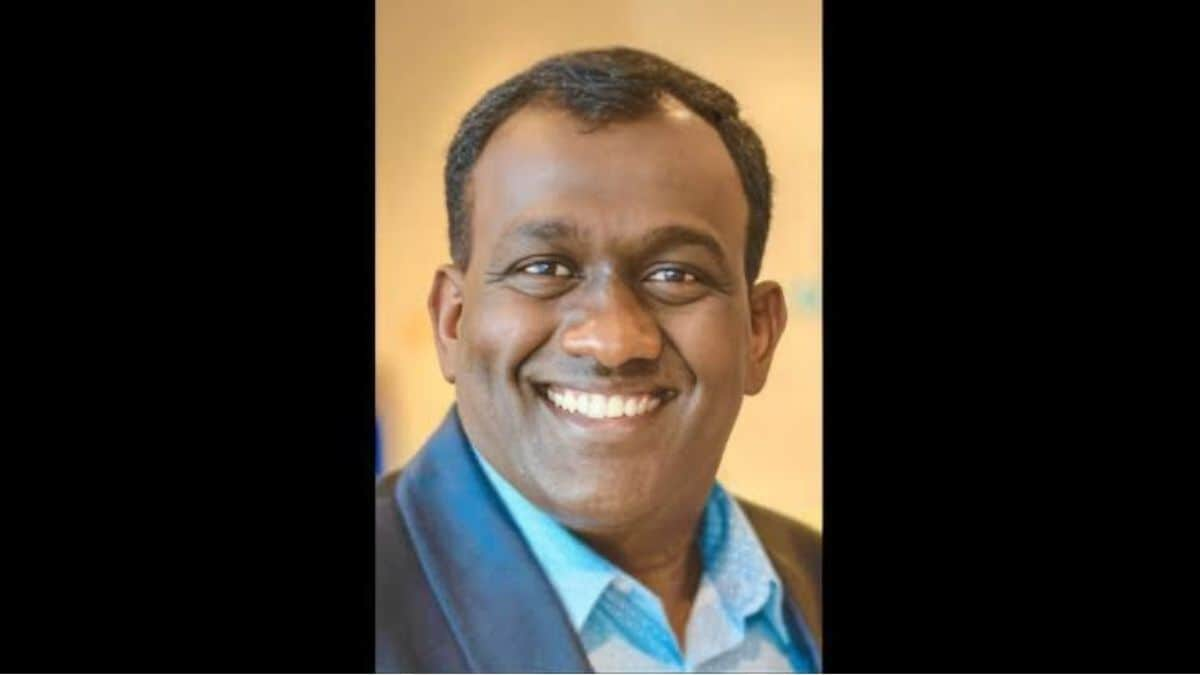
That contrast hits hard. Honestly, it’s the exact reason stories like this spread fast online. Abraham Jaipaul Papabathini, 53, faces a four-count federal indictment in the United States accusing him of illicit sexual conduct with minor girls during trips to Chillakallu, Andhra Pradesh, between 2022 and 2024. Each count carries a maximum penalty of 40 years in prison, putting his theoretical exposure at up to 160 years if convicted on all counts.
A lot of quick news summaries stop at the headline numbers. They don't really explain how U.S. prosecutors go after crimes alleged to have happened overseas, why a Telugu-language press release showed up on a U.S. Justice Department site, or what donors and community leaders should actually watch for next. Let's break down what’s confirmed, what’s still alleged, and what this case means beyond the shock value.
Who Is Abraham Jaipaul Papabathini and What Are the Charges?
Court records and public filings identify Abraham Jaipaul Papabathini as the president of Rescuing Lives, a tax-exempt nonprofit based in the Kansas City area. According to U.S. Department of Justice announcements and reporting from outlets like The Week and The Times of India, the group solicits donations to support children and widows in India, running an orphanage in Chillakallu and a school in Visakhapatnam.
Papabathini became a U.S. permanent resident in 1998 and a naturalized U.S. citizen in 2022. FBI agents arrested him in Kansas on November 7, 2026, following a federal criminal complaint filed the day before. On November 17, a federal grand jury returned a four-count indictment charging him with illicit sexual conduct involving minors.
Under federal law, an indictment is an accusation, not proof of guilt. Papabathini is presumed innocent unless and until proven guilty in court.
Here is how the timeline and allegations have been outlined in official releases and news reports:
- June 2022 initial complaint: The FBI received its first complaint tied to alleged abuse of a 15-year-old girl in March 2022 at Papabathini’s residence in Chillakallu, near the organization's orphanage.
- 2023–2024 allegations: Prosecutors allege he subjected another minor girl to repeated sexual abuse between June 2023 and April 2024.
- Additional accusations: Reporting also notes accusations involving another minor girl, age 14, as well as an allegation from an adult woman.
Notice that span. The first complaint reached the FBI in mid-2022, yet the arrest happened in November 2026. That four-year gap surprises people who expect international cases to move like a TV procedural. In reality, cross-border investigations take forever. Agents have to coordinate records, verify travel and timelines, handle sensitive witness interviews, and build a case that holds up in a U.S. federal courtroom.
Why the U.S. Can Prosecute Alleged Crimes in Andhra Pradesh
People often ask a pretty basic question when they see a headline like this: If the alleged conduct happened in India, why is a U.S. federal court handling it?
Because Congress passed extraterritorial laws specifically targeting sex tourism and illicit sexual conduct involving minors abroad by U.S. citizens and permanent residents. Under federal statutes governing illicit sexual conduct in foreign commerce, a U.S. citizen or permanent resident who travels internationally and engages in prohibited sexual conduct with a minor can face federal prosecution back home.
That matters for two big reasons. First, offenders sometimes assume crossing a border puts them out of reach of American law enforcement. It doesn't. Second, federal prosecutors in districts like the Western District of Missouri and investigative units like the FBI’s Child Exploitation Operational Unit treat foreign child exploitation as a core federal priority, especially when a U.S.-based charity or travel from the United States is intertwined with the allegations.
Still, cross-border cases aren't simple. Evidence, witnesses, and local context sit thousands of miles away in Andhra Pradesh. Language barriers add another layer. That’s why the U.S. Attorney’s Office made a Telugu-language version of its press release available alongside the English announcement. If potential victims or witnesses speak Telugu and live in Andhra Pradesh, putting information in their native language isn't just a nice touch—it’s practical outreach.
The Trust Problem When Charities and Faith Work Mix
Let’s be real about how charity appeals work. When a nonprofit says it’s rescuing children or supporting widows, people open their wallets faster and ask fewer questions. Add religious or evangelistic framing on top of child welfare, and donors often feel like questioning leadership is questioning a noble mission.
That dynamic is dangerous. Whenever an organization operates orphanages or schools with vulnerable kids, power imbalances are built right into the structure. The person who controls funding, housing, schooling, or opportunity holds immense leverage.
I’ve seen plenty of folks assume that IRS tax-exempt status or a polished website automatically equals strong oversight. Nope. Tax-exempt status tells you the IRS recognized the organization's paperwork—it doesn't guarantee independent board checks, on-site child safeguarding audits, or transparent overseas spending. Good intentions never substitute for guardrails.
Common Misconceptions Around This Case
Because headlines move fast, a few misunderstandings tend to pop up right away.
Misconception 1: Facing "up to 160 years" means a guaranteed 160-year sentence.
Not necessarily. Four counts at up to 40 years each add up to 160 years on paper. If a defendant is convicted at trial, judges weigh federal sentencing guidelines, statutory minimums and maximums, criminal history, and whether sentences run concurrently or consecutively. The 160-year figure is a ceiling based on statutory maximums, not an automatic outcome.
Misconception 2: An indictment means the case is basically over.
An indictment means a grand jury found probable cause to bring charges. Pre-trial motions, discovery, evidentiary disputes, and potential trial preparation still lie ahead. Plus, the FBI has actively sought information from anyone who may have been victimized or has relevant knowledge, meaning the factual picture could still evolve.
Misconception 3: Every charity tied to an accused leader is automatically shut down overnight.
Legal proceedings against an individual don't instantly freeze every bank account or dissolve every legal entity on day one, though boards, donors, banks, and regulators often react quickly once indictments become public. What happens to programs like a school or orphanage depends on governance, local authorities, funding, and legal orders.
Practical Next Steps for Donors, Community Members, and Watchers
If you're following this story because you donated to international child charities, know people in the community, or want to verify facts rather than rumors, take a few concrete steps:
- Stick to primary court and agency releases: Check official announcements from the U.S. Department of Justice and FBI victim services resources rather than relying on unverified social media threads.
- Audit your own charitable giving: Before giving to any overseas orphanage or youth program, look past emotional appeals. Check public filings like IRS Form 990s where available, ask who sits on the independent board, and look for clear child-protection policies.
- Avoid speculating about unverified victims: Never publish names, photos, or guesses about minors or potential witnesses online. Protecting privacy—especially when children or vulnerable people may be involved—matters more than being first to post a theory.
- Report credible information through official channels: If someone has direct, factual information relevant to the federal investigation, share it directly with law enforcement through official FBI channels rather than rumor mills.