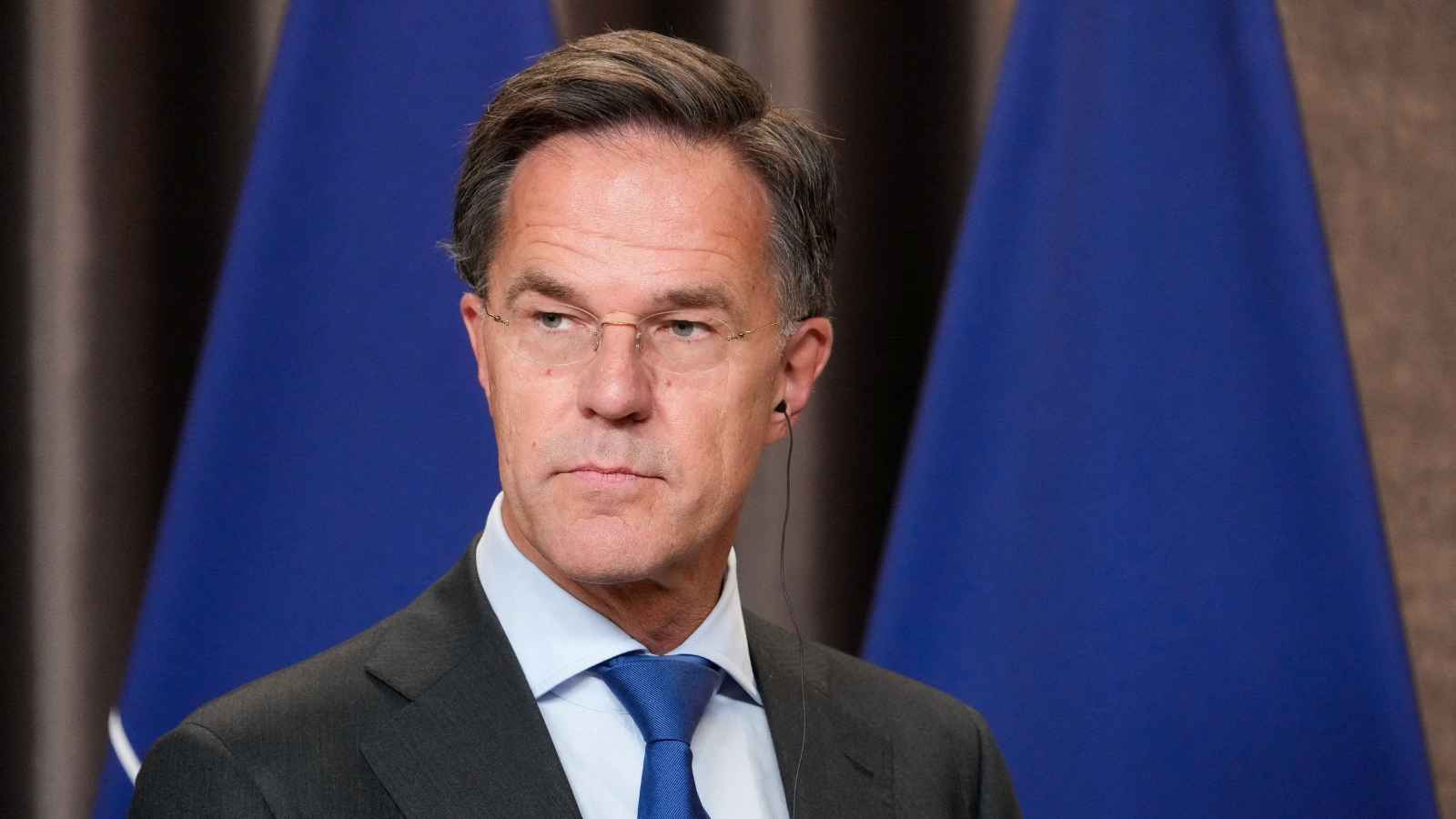
"I can guarantee that NATO will defend every inch of Polish territory." Mark Rutte didn't say those words in a vacuum. He said them in Warsaw on Saturday, November 21, 2026—just one day after objects linked to Russian strikes on Ukraine crossed into southeastern Poland.
Air raid alerts went off around 7 a.m. on Friday, November 20, in the Lublin and Podkarpackie voivodeships. Polish officials reported three objects crossing the border—accounts from Warsaw and regional officials described a mix of cruise missiles and jet-powered drones—while allied fighters scrambled and Rzeszow Airport temporarily suspended flights. Nobody was hurt. Still, the timing stung. Eleven countries in the "Coalition of the Willing" were conducting military drills nearby in Poland when those objects came down.
When you read short wire summaries, the headline sounds like a simple promise. Every inch. Sounds ironclad, right? Honestly, it's a lot more complicated than a bumper sticker. Air defense physics, weather, rules of engagement, and political debates inside the alliance all shape what "every inch" looks like on a Tuesday morning at 7 a.m.
Why Poland Airspace Keeps Becoming A Flashpoint
If you've been paying attention to NATO's eastern flank over the past couple of years, Friday's scare doesn't feel out of nowhere. It fits a pattern.
Back in September 2025, Russian drones violated Polish airspace in large numbers—nineteen violations recorded on September 10 alone—prompting Rutte and Supreme Allied Commander Europe (SACEUR) Gen. Alexus G. Grynkewich to launch Operation Eastern Sentry to tighten collective air and missile defense along the eastern flank. Later, in October 2026, Polish authorities spent six days searching near the Zemborzyce Reservoir outside Lublin after residents reported hearing a noise from an unidentified object.
Then came November 20, 2026. Russia launched a massive overnight barrage across Ukraine—hitting Kyiv, Kharkiv, Lviv, and Ivano-Frankivsk—while objects entered southeastern Poland near Nowy Lipowiec, Mołodycz, and Rudnik nad Sanem.
Warsaw didn't mince words. Prime Minister Donald Tusk called the episode "an intentional provocation" and said it didn't look like an accident. Defense Minister Władysław Kosiniak-Kamysz pointed to the coincidence with the multinational drills in Poland—within roughly 30 to 60 miles of Nowa Dęba—as evidence the timing wasn't random. Foreign Minister Radosław Sikorski went even further on Saturday, reminding everyone that Polish airspace and NATO airspace are one and the same while noting that Warsaw was awaiting final forensic confirmation on the objects found on Polish soil.
That last detail matters. Even when leaders speak with certainty about where a projectile came from, confirming debris and flight paths takes hours or days. And there's a noticeable tension in how allied leaders frame the intent behind these breaches. U.S. President Donald Trump told Fox News on Thursday that Russian President Vladimir Putin had been landing drones and "a couple of little missiles" in Poland by mistake. Tusk and Kosiniak-Kamysz see deliberate pressure around allied exercises. Both viewpoints are out in the open right now, and pretending there's zero friction in how allies read Moscow's motives would be misleading.
What The Radar And Weather Details Reveal
One detail from Friday's response deserves more attention than it usually gets in quick news briefs. Reporting from Ukrainska Pravda indicated that a Swedish Gripen pilot patrolling Polish airspace was authorized to shoot down a Russian missile over Poland, yet couldn't make the shot because of difficult weather conditions preventing positive identification.
Think about what that tells you about real-world air policing. Having clearance to engage is one thing. Spotting, classifying, and positively identifying a low-flying cruise missile or jet drone through bad weather—without accidentally hitting the wrong target or creating collateral risk on the ground—is another beast entirely.
Polish officials also noted they tracked launch points, counts, and flight paths using their own sensors alongside data from Ukraine's Virazh system. That kind of data sharing helps commanders understand trajectories quickly, yet weather and low-altitude clutter still test pilots and air defense batteries in real time.
How NATO Responds When Every Inch Is Tested
Rutte's visit to Warsaw on Saturday wasn't just a photo-op. He said Gen. Grynkewich will do whatever is necessary to spot threats to defense and deterrence capabilities and adjust posture where needed. Meanwhile, NATO's North Atlantic Council is slated to meet in Brussels on Monday to address the Polish airspace violation.
Let's be real about what happens next in a situation like this. A single missile or drone landing in a border province without casualties rarely triggers a full-scale war overnight—allies weigh escalation risks carefully, especially when major strikes are hitting cities across Ukraine at the exact same time. Instead, NATO's playbook usually combines three moves:
- Posture adjustments: Shifting combat air patrols, ground-based air defenses, and surveillance assets along the eastern flank under frameworks like Operation Eastern Sentry.
- Political signaling: High-level consultations in Warsaw and Brussels, plus public warnings that cross-border intrusions won't go unexamined.
- Attribution and diplomacy: Gathering technical evidence on debris and radar tracks while pressing allies on unified messaging and diplomatic pushback.
There's a misconception that "defend every inch" means an automatic, instant tripwire that turns every stray drone or missile fragment into Article 5 combat. In practice, deterrence works through readiness, rapid consultation, and credible force posture—not hair-trigger guesswork. Critics and hawks sometimes argue NATO should shoot down threats closer to the border or impose stricter air-defense zones; others worry that aggressive engagements over contested airspace could spiral unintentionally. You can see that debate playing out every time an object crosses from western Ukraine into Poland or Romania.
Why Rutte Is Framing NATO Around European Strength
Step back for a second and look at the broader message Rutte has been pushing across alliance capitals. In remarks around the Ukraine Defense Contact Group meeting in Brussels on November 17, 2026, he talked about building "NATO 3.0"—a stronger Europe and Canada inside a stronger NATO—while welcoming fresh pledges for air defense, ammunition, and programs like PURL so Ukraine can defend itself this winter and beyond.
Put those two pieces together. When Rutte stands in Warsaw pledging to defend every inch of Polish territory, he's speaking to Warsaw's immediate security anxieties and to an alliance trying to prove that European air defenses, industrial output, and political resolve can hold up under sustained pressure.
Polish leaders have long argued that eastern flank security isn't a peripheral issue. Poland borders Ukraine and Belarus, sits next to the Russian exclave of Kaliningrad, and serves as a vital logistical hub for allied support. For Warsaw, every airspace breach is a stress test of whether collective defense feels tangible on the ground, not just on paper.
Practical Ways To Track What Happens Next
If you're following this story—whether for geopolitical analysis, regional business risk, or travel and logistics near eastern Europe—don't rely on single-sentence social media posts. A few practical steps will keep you grounded in verified facts:
- Watch Monday's North Atlantic Council readout: Look for official statements from NATO and Polish officials after the Brussels meeting to see whether concrete posture changes or new air-defense commitments are announced.
- Check debris and forensic updates: Pay attention to follow-up confirmations from Polish authorities regarding the exact type and origin of the objects recovered in Lublin and Podkarpackie.
- Separate tactical incidents from strategic shifts: Notice whether allied aircraft, radar deployments, or regional airspace restrictions actually change—those operational moves tell you far more than heated rhetoric alone.
- Monitor regional aviation and border advisories: If you have travel or freight moving through southeastern Poland or nearby border areas, check official Polish aviation and government alerts rather than assuming normal schedules during high-alert scrambles.
Airspace violations along a war zone are messy, fast-moving, and loaded with political meaning. Rutte's vow in Warsaw sets a clear baseline for NATO's commitment to Poland, and the coming days in Brussels and southeastern Poland will show how that promise translates into action.