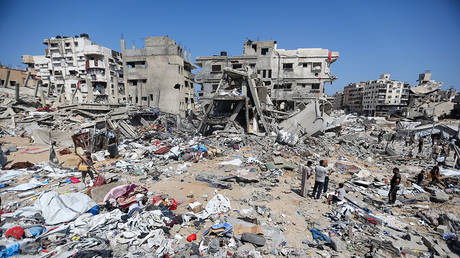
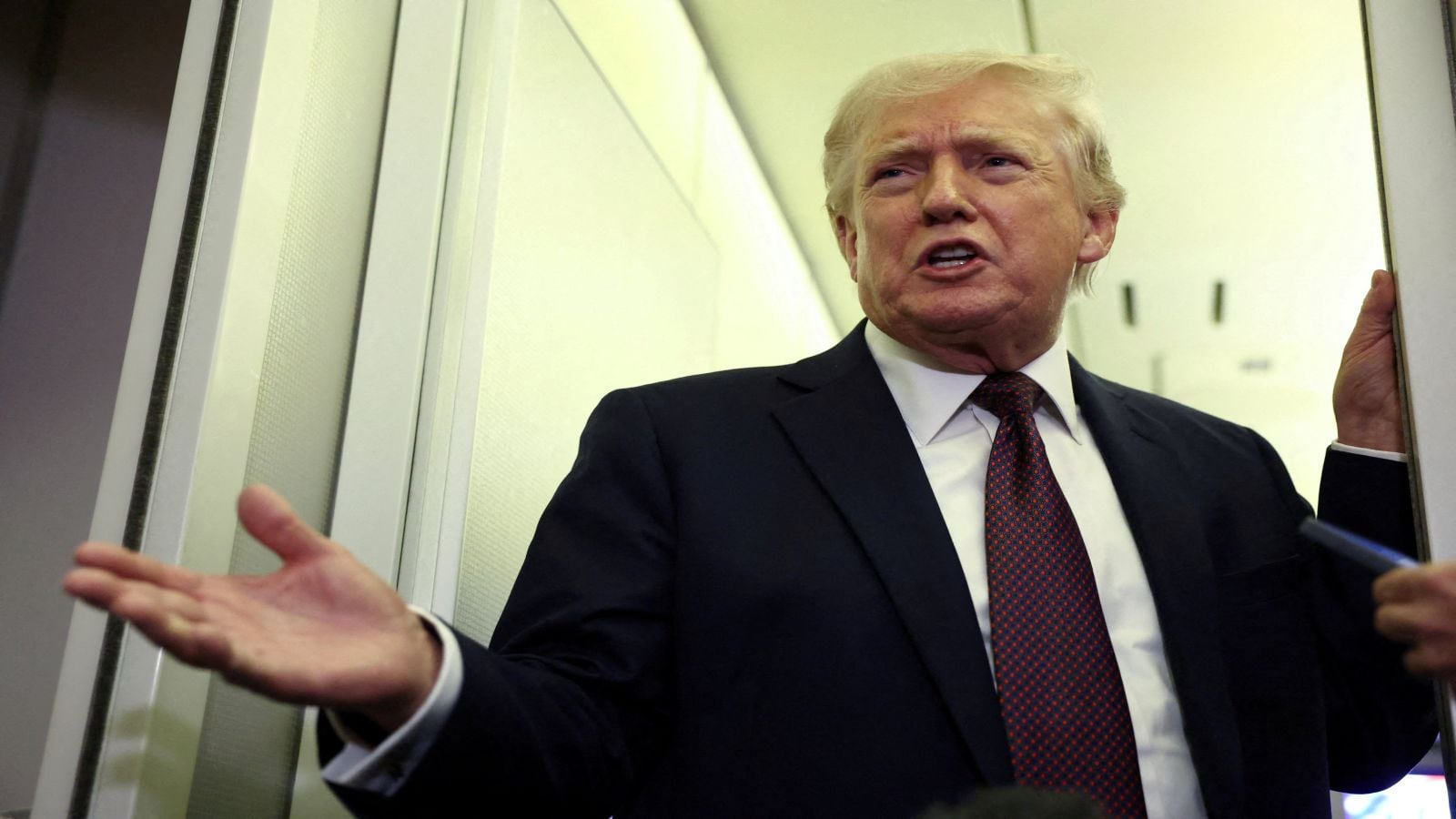
President Donald Trump isn't backing down. During a high-stakes cabinet meeting at Camp David, he made his position crystal clear: American military pressure on Iran will continue unabated until Tehran meets his strict terms.
"We just want to win," Trump told reporters, signaling that a quick diplomatic off-ramp remains elusive as the conflict stretches past its fifth month.
If you're trying to figure out where this unpredictable conflict is heading next, you aren't alone. The breakdown of the mid-June ceasefire agreement sent shockwaves through global energy markets and left foreign policy experts scrambling. Let's break down what's actually happening behind the scenes, why Washington's strategy has shifted, and what it means for the region moving forward.
The Breaking Point in the Strait of Hormuz
The core of the current escalation isn't just about shadowy cyberattacks or distant proxy clashes. It boils down to maritime choke points.
The conflict shifted dramatically toward the Strait of Hormuz, where the Islamic Revolutionary Guard Corps has targeted commercial oil tankers. Tehran's strategy relies heavily on disrupting shipping lanes to retaliate against the ongoing U.S. blockade of Iranian ports.
Washington didn't expect this level of persistent maritime disruption. When an interim agreement fell apart in June, the Pentagon resumed regular airstrikes on Iranian military installations. Meanwhile, regional dynamics grew even messier as Saudi Arabia joined forces with the U.S. to strike militia sites in Iraq following drone attacks on the kingdom.
Why the White House Rejected a Soft Exit
People keep asking why Trump refuses to take a softer diplomatic route to end the fighting. The answer lies in his core political and strategic calculations.
Early on, administration officials floated a tight four-to-six-week timeline for the offensive, aiming to permanently strip Tehran of its nuclear capabilities. While the U.S. military successfully degraded Iran's naval fleet and ballistic missile stockpiles, the political objective of forcing absolute capitulation hasn't materialized.
Trump faces mounting pressure from all sides. A recent Reuters/Ipsos poll showed that roughly 58 percent of Americans oppose the military campaign, and congressional pushback is growing louder by the week. Yet, walking away empty-handed is politically toxic for an administration that built its brand on projecting unyielding strength.
Instead of scaling back, the White House and Israeli officials have weighed aggressive new bombing campaigns targeting key Iranian energy infrastructure. White House Press Secretary Karoline Leavitt doubled down on this stance, stating that the United States will secure victory and prevent Iran from acquiring a nuclear weapon under Trump's watch.
What Happens When Markets Open
The immediate fallout points straight to economic anxiety. Energy prices are fluctuating wildly, and major oil companies are posting massive profits while everyday consumers foot the bill at the pump.
Behind closed doors at Camp David, aides weighed the economic fallout of upcoming military packages against the urgent need to cripple Tehran's remaining war-fighting capacity. With midterm elections looming and domestic frustration rising over inflation, the administration is walking a tightrope between domestic political survival and a prolonged Middle Eastern quagmire.
Expect more volatility. Watch the shipping insurance rates in the Persian Gulf and keep an eye on emergency diplomatic channels, because until Tehran shifts its stance on enrichment and proxy funding, Trump's foot stays firmly on the gas pedal.