Foreign policy moves fast, but political reversals move faster. Donald Trump just pulled back from a promise he made earlier this month, stating plainly that the United States has not agreed to let Ukraine manufacture its own Patriot air defense interceptor missiles.
If you followed the NATO summit in Turkey, this sudden shift might feel like whiplash. Just weeks ago, Trump floated the idea of giving Kyiv a production license to build advanced defense tech domestically. Ukrainian President Volodymyr Zelenskyy left a subsequent White House meeting believing the deal was essentially on track.
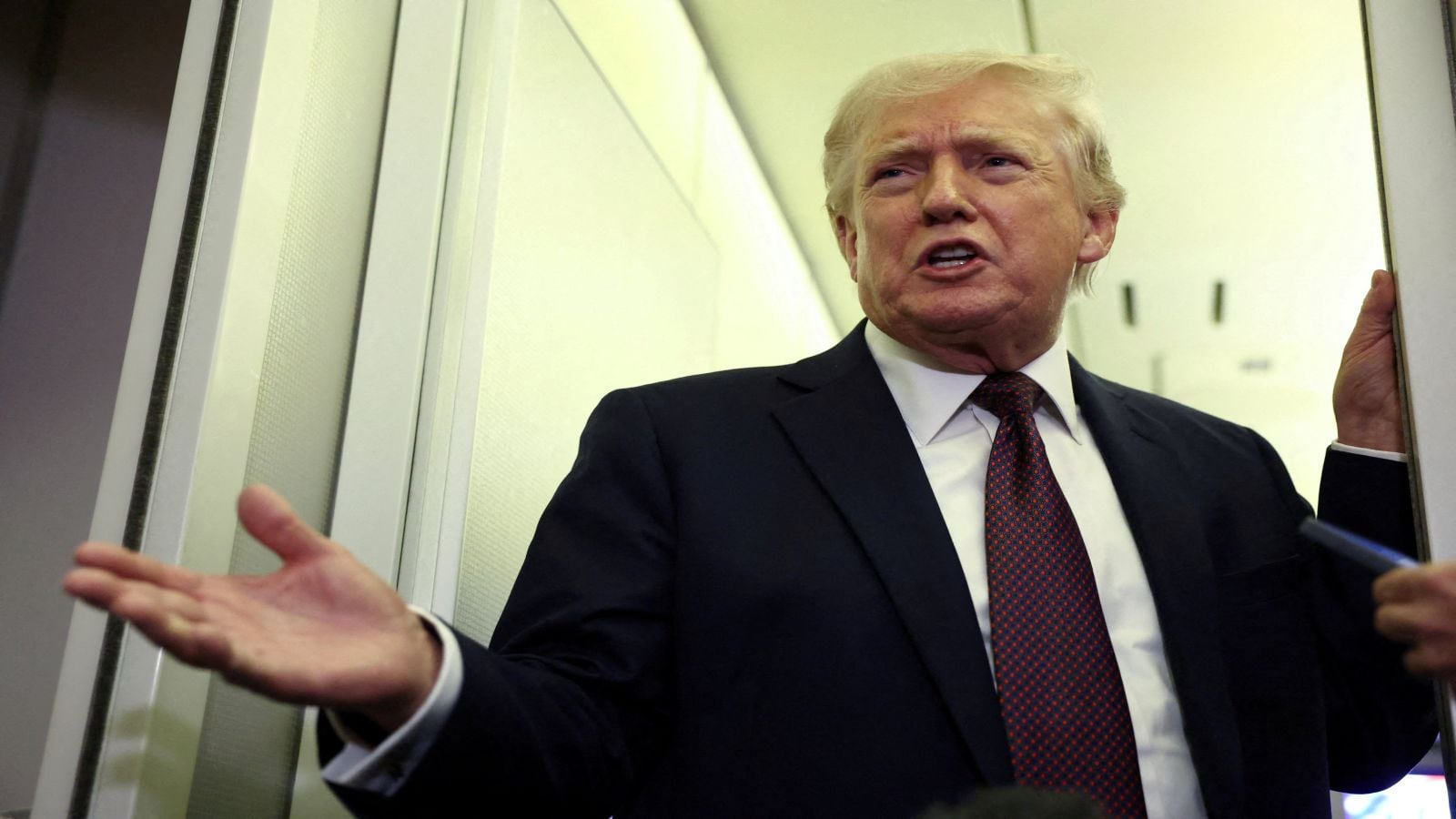
Now? The tone has changed completely. Speaking at a cabinet meeting at Camp David, Trump pumped the brakes hard. He explained that handing over sensitive, complex military hardware is a massive step. It is a hard thing to give away.
Why the White House Got Cautious
The Patriot surface-to-air missile system is one of the most advanced pieces of defensive architecture in the Western arsenal. Built jointly by Lockheed Martin and RTX, the technology relies on classified engineering, proprietary software, and tightly guarded manufacturing processes.
Washington guards this intellectual property for a reason. Handing over production blueprints to a nation actively engaged in a devastating war creates enormous security and proliferation risks. Trump pointed directly to this reality at Camp David, noting that the U.S. has to be extremely careful about letting external actors construct these weapons.
The administration faces a classic geopolitical squeeze. On one side, Ukraine desperately needs domestic manufacturing capacity to survive relentless Russian ballistic missile barrages targeting civilian infrastructure and cities like Kyiv. On the other side, Pentagon planners worry about depleting domestic stockpiles and leaking critical defense tech secrets abroad.
The Back-and-Forth Timeline
The trajectory of this defense agreement shows just how fluid high-stakes diplomacy can be:
- Early July 2026: At the NATO summit in Ankara, Turkey, Trump publicly suggested giving Ukraine the right to make Patriots, saying, "We'll show them how to do it."
- Late July 2026: Following an Oval Office meeting, Zelenskyy stated that Trump had accepted the concept of granting production licenses.
- Late July (Days Later): In an interview with the Financial Times, Trump expressed doubt, saying he wasn't sure if the license would actually clear.
- July 31, 2026: At Camp David, Trump definitively slammed the door on any finalized agreement, declaring, "We have not agreed to that."
What Happens Next for Ukraine Air Defense
Without local manufacturing rights, Kyiv remains reliant on direct foreign military transfers and international aid packages to replenish its depleted interceptor inventories. European allies continue to pitch in, and recent diplomatic developments point toward ongoing negotiations regarding other military assets, such as Ukrainian-made drones.
Yet, the core problem remains unsolved. Ukraine needs reliable, high-volume access to advanced air defense to protect its population from ongoing strikes. Trump's reversal proves that verbal diplomatic enthusiasm doesn't automatically translate into classified tech transfers.
The talks continue behind closed doors, but Washington's baseline stance is clear. Protecting domestic military technology still trumps emergency wartime manufacturing exemptions.