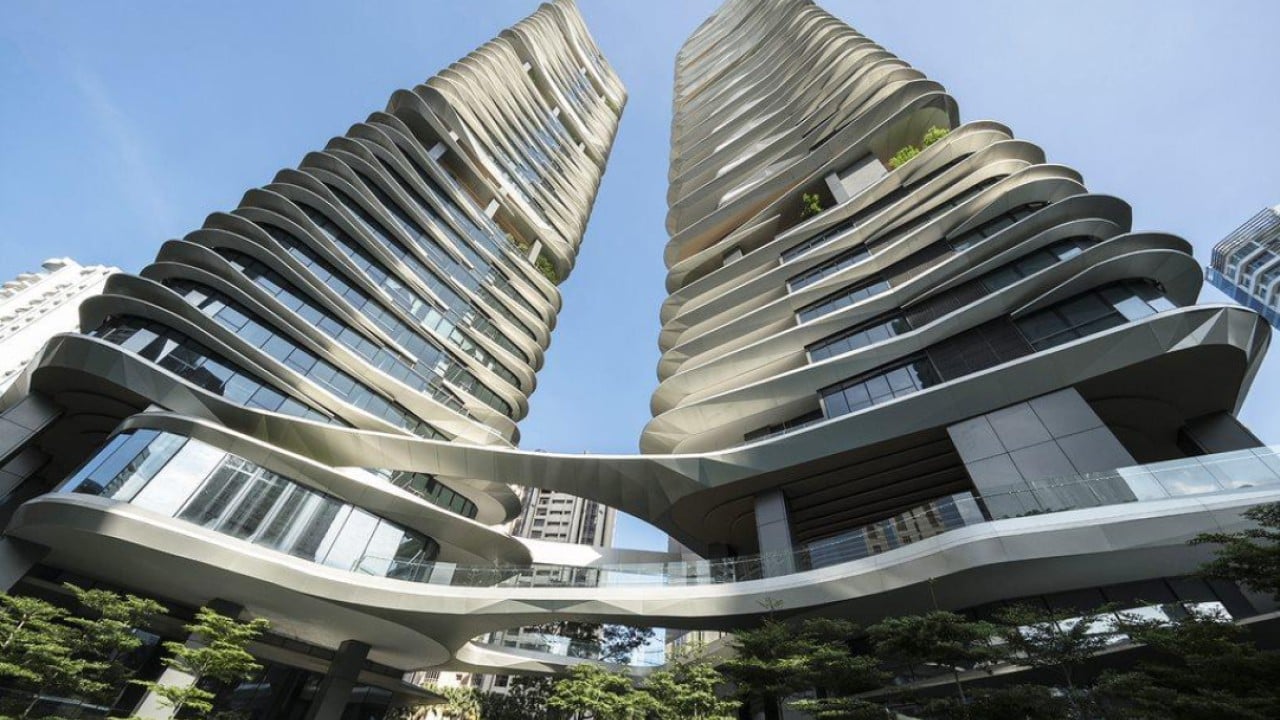
Big property developers don't usually map out multi-billion dollar capital injections unless they have something to prove. City Developments Limited (CDL), anchored by Singapore’s influential Kwek family, just announced a massive S$5 billion—roughly US$3.9 billion—investment push targeting Singapore, China, and Japan through 2029.
If you've been tracking real estate markets in Asia, you know this isn't just routine corporate expansion. It is a calculated move to stabilize sentiment following internal governance tensions that rattled stakeholders earlier.
Let's break down what's actually happening behind the headlines, how the math works, and whether this aggressive roadmap will fix investor trust.
The Real Motivations Behind the S$5 Billion Push
Markets hate drama. Earlier, CDL faced scrutiny when public reports highlighted a legal dispute between Chairman Kwek Leng Beng and his son, CEO Sherman Kwek. Even though that issue was subsequently settled, stock prices and investor sentiment felt the strain.
When confidence dips, you don't issue vague reassurance statements. You drop hard numbers.
CDL’s new strategy focuses heavily on capital recycling. Alongside deploying US$3.9 billion for new acquisitions and developments in key markets by 2029, the firm also aims to monetize S$6 billion of assets over the exact same timeframe. This isn't just about spending money; it's about pruning underperforming assets, freeing up liquidity, and lowering the net debt-to-equity ratio.
Where the Money Goes
Targeting Singapore, China, and Japan is a pragmatic play. These markets offer distinct risk-reward profiles that appeal to institutional players looking for stability mixed with growth.
- Singapore: The home turf. While domestic cooling measures and high land costs constrain margins, prime commercial and luxury residential properties continue to attract ultra-high-net-worth capital.
- China: High volatility meets high opportunity. Positioning capital carefully here allows CDL to tap into urban revitalization and recovering asset classes without overexposing its balance sheet.
- Japan: The current darling of cross-border Asian real estate. Low interest rates and strong tourism fundamentals make Tokyo and regional hubs attractive for cash-flowing hospitality and multifamily assets.
Rather than spreading capital thin across twenty different emerging markets, sticking to these three core pillars keeps execution risk manageable.
Scaling Up the Fund Management Business
You can't rely solely on traditional property development and sales anymore. Margins fluctuate wildly based on government policies and construction costs. That's why CDL’s roadmap includes setting up a standalone fund management platform with its own dedicated leadership team and investment committee.
The goal? Double assets under management (AUM) to S$10 billion by 2029.
To hit that target, the company plans to launch new real estate investment trusts (REITs), establish private funds, and forge joint ventures. Shifting toward recurring fee-based income makes sense. It creates a predictable cash flow buffer that protects the bottom line when property development cycles turn sluggish.
What Investors Should Watch Next
Announcing a grand strategy in an exchange filing is the easy part. Execution is where markets separate the winners from the pretenders.
Keep an eye on the execution speed of that S$6 billion asset disposal program. If CDL manages to offload mature assets at favorable book values, it validates the entire restructuring thesis. If sales stall due to tight global credit conditions, debt concerns will creep back into the conversation.
Governance stability remains the ultimate litmus test. When a controlling family clan shares unified direction, corporate momentum follows. If the leadership team executes cleanly through 2029, this multi-billion dollar pivot might just become the blueprint for post-crisis recovery in Asian real estate.