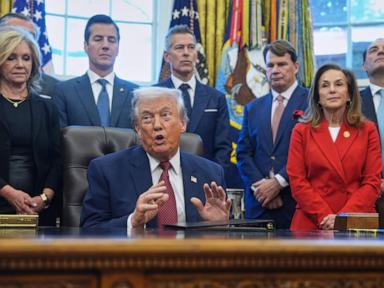
Trade wars rarely end with a dramatic bang. They taper off in conference rooms with spreadsheets, matching press releases, and carefully curated product lists. Following the high-stakes summit in Washington between President Donald Trump and Chinese leader Xi Jinping, Washington and Beijing just dropped reciprocal lists targeting $30 billion worth of goods each for tariff relief. If you've been watching supply chains squeeze your margins, this shift demands your attention.
Let's look past the diplomatic handshakes and figure out what's really happening on the ground.
Breaking Down the $30 Billion Tariff Relief Deal
Both economic superpowers published matching product lists covering roughly $30 billion in bilateral trade. For anyone tracking US-China trade policy, this isn't a total dismantling of tariffs, but it's the most concrete thaw we've seen in years.
The scope of the cuts is surprisingly specific. On the US side, the proposed relief targets American exports like agricultural commodities, seafood, timber, wood products, cosmetics, and medical devices. China's Ministry of Commerce noted that roughly 90 percent of these covered items will transition to most-favored-nation treatment rather than carrying the brutal punitive duties piled on during peak hostilities.
On the flip side, what is Washington letting in from China? The US import list focuses heavily on everyday consumer goods. We are talking about small household appliances, kitchenware, children's car seats, toys, and holiday decorations.
Why these specific items? Because consumer pressure and inflation realities matter. Hitting toys and small appliances with sky-high tariffs hurts American retail buyers directly. Carveouts here offer immediate relief to consumer-facing sectors without touching sensitive high-tech or heavy industrial hardware.
Beyond the Numbers: The Coal and Rare Earths Factor
You can't talk about a Trump-Xi deal without looking at the raw commodities powering the background negotiations. Beyond the consumer lists, the White House fact sheet reveals that China agreed to import at least 10 million metric tons of US coal across 2027 and 2028.
At the same time, both administrations plan to address lingering supply chain constraints around critical rare earth minerals. If shipment levels return to normal baselines, electronics manufacturers and green energy tech firms will finally catch a break.
The two sides also extended their trade truce until January, giving negotiators a clear runway to hash out broader structural issues. They've also established a new Board of Investment designed to tackle investment barriers head-on rather than leaving companies hanging in regulatory limbo.
What This Means for Importers and Exporters Right Now
If you're running a business dependent on cross-border supply chains, don't pop the champagne just yet. The cuts don't go live overnight. The reductions take effect only after both nations complete their domestic legal and administrative procedures.
Here is what you should do right now:
- Audit your inventory codes: Pull your HTS codes and cross-reference them against the newly released US and Chinese product lists. Don't guess whether your items qualify—verify the exact category descriptions.
- Review procurement contracts: Talk to your overseas suppliers immediately. Ask how they plan to pass along the savings once domestic approval procedures clear.
- Watch the January deadline: The trade truce extension buys time, but negotiations remain fluid. Keep your sourcing options flexible so you aren't caught off guard if political winds shift again.
The superpower rivalry isn't disappearing. But for now, both Washington and Beijing have decided that a little pragmatic relief beats another round of escalation.