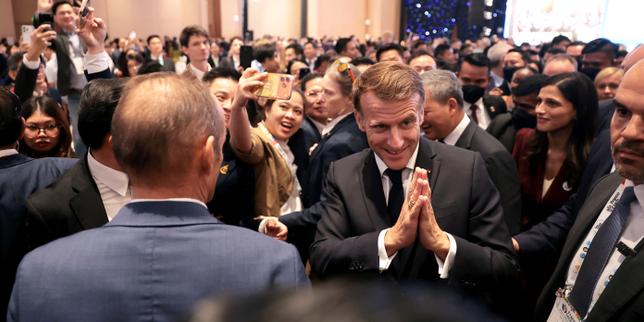
Phnom Penh hosts the 20th Summit of the Organisation internationale de la francophonie, marking a rare diplomatic milestone for Southeast Asia. Yet beneath the official handshakes, red carpets, and the theme of shared prosperity, a quiet truth persists. French occupies a very specific, shrinking niche in modern Cambodia. With only a tiny fraction of the population actively speaking the language, hosting this massive international gathering forces a hard look at how linguistic influence fades long after colonial ties dissolve.
You might wonder why a nation where roughly three percent of citizens speak French would step up to organize such a high-profile summit. The answer lies in history, diplomacy, and strategic positioning. Cambodia joined the OIF as a full member back in 1993, building on a legacy tied to former monarch Norodom Sihanouk, who stood as one of the founding architects of the francophone movement. Nearly thirty years after Hanoi hosted the regional summit in 1997, Phnom Penh sees this event as a chance to project influence, boost international partnerships, and remind the world of its unique cultural footprint.
The Paradox of Francophonie in Southeast Asia
Walking through the capital today, you won't hear French echoing down every street. English dominates business, tourism, and higher education. Mandarin surges ahead through heavy foreign investments and trade networks. Meanwhile, French survives in institutional pockets, select legal frameworks, and among an aging intellectual elite.
Statistics from the OIF place total French speakers worldwide near 396 millions, keeping it firmly positioned as the fourth most spoken global language. But aggregate numbers hide local realities. In Cambodia, the language is more of a historical badge than a living daily medium for the masses. Schools teach it, cultural centers promote it, and diplomats value it, but youth employment and digital connectivity pull the upcoming generation toward English and regional Asian languages.
This creates a fascinating contradiction. The OIF gathers heads of state to debate multilateralism, peace, and sustainable development under banners written in French, while the host country's actual linguistic landscape tells a story of steady erosion.
What the Phnom Penh Summit Actually Changes
Leaders arriving for the summit face heavy agendas, including the adoption of the Phnom Penh Declaration and crucial leadership decisions regarding the organization's top post. Debates touch on crisis prevention, digital transformation, and cultural diversity. But summits operate on high-level diplomacy. They don't automatically reverse everyday linguistic trends on the ground.
If you look at how languages thrive, utility dictates survival. People learn languages that unlock jobs, open digital markets, and facilitate global mobility. While the OIF pours energy into educational programs and professional networks like FrancoTech, competing global languages hold massive structural advantages in Southeast Asia. French diplomacy in the region relies heavily on prestige, historical solidarity, and cultural diplomacy rather than economic dominance.
Looking Beyond the Rhetoric
The summit in Phnom Penh matters because it keeps diplomatic channels open across a diverse, ninety-member international body spanning five continents. It gives middle powers a platform to coordinate outside dominant Anglo-American spheres.
At the same time, pretending that French is expanding in Asia would ignore the facts on the ground. The long-term decline of French in former Indochinese territories is irreversible in practical terms. What remains is a specialized bridge—a tool for specialized diplomacy, elite academic exchanges, and niche cultural diplomacy. As the banners come down in Phnom Penh, the real test for the francophone community isn't how many grand declarations it signs, but whether it can deliver tangible economic and professional value to younger generations who have already chosen other linguistic futures.