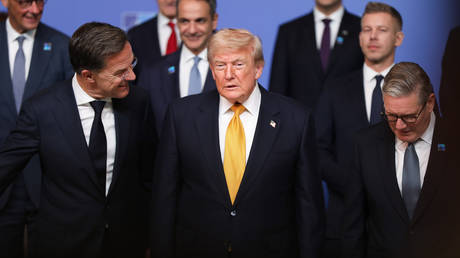
International diplomacy has stopped pretending it is about grand ideologies or permanent friendships. When leaders pack their bags for major international summits, nobody is expecting a sudden outbreak of world peace or a historic reset of global alliances. Instead, you get cold, calculated bargaining. Leaders show up to protect their supply chains, cut transactional deals, and hedge their bets against a volatile superpower rivalry.
If you look closely at recent high-level diplomatic gatherings, a clear pattern emerges. The old playbook of absolute alignment is dead. Governments everywhere are playing a double game. They want security guarantees from Washington, trade access with Beijing, and technological autonomy from everyone else. This isn't hypocrisy; it is pure survival strategy in a fragmented world.
The Death of Bloc Politics
For decades, the global stage operated on a predictable script. You picked a side, toed the line, and received your economic and military backing in return. That world is gone. Today's major summits look less like ideological councils and more like high-stakes bazaar floors.
Take the way middle powers navigate geopolitical friction. Nations across the Global South aren't lining up to enlist in a new Cold War. They are extracting concessions from both sides. They sign infrastructure deals with Chinese lenders while simultaneously buying defense hardware and signing tech partnerships with Western capitals.
This transactional posture changes everything. When a summit convenes, the primary metric of success isn't a sweeping joint communique full of diplomatic platitudes. It is bilateral pull-asides, trade carve-outs, and critical mineral supply agreements. Leaders know that grand declarations don't keep the lights on or factories running. Bargains do.
Hedging as Statecraft
National leaders have realized that putting all your diplomatic eggs in one basket is political suicide. Economic nationalism is back with a vengeance. Supply chain resilience, semiconductor manufacturing, and energy security dominate every closed-door meeting.
When major economies negotiate behind closed doors, the conversation always pivots to risk mitigation. How do you insulate your domestic economy if a trade war escalates? How do you secure rare earths without bowing to export monopolies? The answers involve a delicate tightrope walk. You keep your economic ties functional with your rivals while cementing strategic partnerships with your trusted allies.
This balancing act requires immense diplomatic agility. Diplomats have become procurement officers and risk managers. They trade market access for technology transfers. They offer diplomatic backing on regional issues in exchange for tariff exemptions. Everything is on the table, and everything has a price tag.
What This Means for the Future of Global Order
We are living through a multipolar scramble where every major player is trying to maximize leverage before the rules of the road are completely rewritten. Multilateral institutions are paralyzed by vetoes and competing interests, which pushes nations back toward bilateral horse-trading.
If you want to understand where global politics is heading, stop listening to the press releases issued at the end of these summits. Watch the private corporate deals signed on the sidelines. Look at which nations are diversifying their energy imports and who is quietly cutting export dependencies.
The era of permanent alignment is over. Balance and bargain are the only rules left standing.