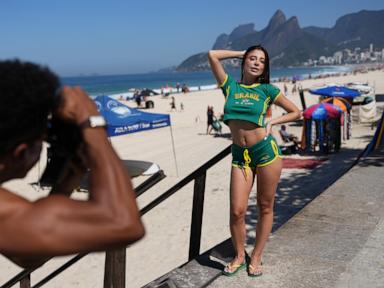
"Brasil está na moda." It is a phrase you will hear locals throw out with a mix of pride, exhaustion, and cautious skepticism whenever international cameras turn their way. Right now, Brazil is in fashion on a scale we haven't seen in decades. Tourists are flooding the country in record numbers, donning the green, yellow, and blue of the national flag. Global fashion houses are scrambling to reference South America's largest nation, and viral content creators are making Rio's beaches and favelas mandatory stops on the internet itinerary.
If you are wondering why this massive cultural surge is happening right now, the answer goes way beyond a few catchy TikTok trends. It is a mix of post-pandemic aesthetic fatigue, heavy digital mobilization, and a deliberate push by national tourism boards. But to truly understand why the world is obsessed with Brazil right now, you have to look past the glossy travel brochures and see how everyday Brazilians are navigating this sudden spotlight.
The Aesthetic Shift and the Rise of Brazilcore
Fashion was stiff for a long time. Global style dominated with muted tones, oversized neutral hoodies, and minimalist tailoring that often felt a bit clinical. Then came the complete counter-movement.
Starting around 2023, a wave dubbed "Brazilcore" hit global high streets. Think vibrant canary yellows, rich emerald greens, micro-shorts, crochet pieces, and vintage soccer jerseys. It wasn't just about wearing sportswear; it was about adopting a lifestyle rooted in warmth, spontaneity, and showing skin.
Major global brands noticed the shift immediately. Fast-fashion giants like Zara and H&M flooded shelves with green and yellow tops stamped with Rio de Janeiro, while luxury houses like Chanel, Jil Sander, and Schiaparelli started dropping subtle nods to Brazilian national colors. When global music icons and style heavyweights like Bad Bunny, Hailey Bieber, and Sabrina Carpenter started incorporating the aesthetic into their everyday wardrobes, the trend went nuclear.
People were craving color and light-heartedness. Brazil delivered both.
Social Media, Memes, and the Power of the Brazilian Netizen
You cannot talk about modern cultural dominance without looking at the internet. Brazil has a population of over 200 million people who are deeply online, highly connected, and fiercely vocal.
Brazilians don't just consume internet culture; they turbocharge it. As Eduardo Lorenzi, general director of operations for Latin America at TikTok, points out, the country pulsates with creativity and interacts collectively. Content turns into viral memes and global references almost overnight.
Consider what happened when American writer Courtney Henning Novak posted a rave review of an 1881 book by Brazilian author Joaquim Maria Machado de Assis. The video blew up, sparking an enormous wave of positive engagement from Brazilian followers who swamped her comments with support.
This digital enthusiasm creates a compounding effect. When international influencers post videos of themselves exploring local neighborhoods, beaches, and parties, it triggers a domino effect. Vitor Oliveira, a tour guide from the Rocinha favela in Rio, notes that social media creators visiting his neighborhood completely transformed local tourism. Visitors now line up to see the views, taste local food, and capture the energy firsthand.
Mega-events also play a massive role. When artists like Madonna, Lady Gaga, and Shakira pull off massive free concerts on Copacabana Beach, drawing crowds upwards of a million people, the global media machine takes notice.
Moving Past the Mongrel Complex
For decades, many Brazilians suffered from what is locally known as the "mongrel complex"—a cultural self-doubt lamenting that the country's incredible artistic output, films, music, and literature were chronically under-appreciated abroad.
Today, that narrative is cracking. From Oscar-nominated films to global funk music charts, Brazilian culture is refusing to stay localized. Even domestic quirks are turning into symbols of national endearment, such as "caramelo pride"—the widespread cultural celebration of caramel-colored street mutts that represent the resilience and spirit of the streets.
Government initiatives have also poured gasoline on the fire. Embratur, Brazil’s tourism board, has invested heavily in international marketing campaigns, pairing up with cultural exports to showcase the nation's immense diversity.
Will the Trend Last?
Nothing lasts forever in the attention economy. Cultural analysts, including Néli Pereira, a researcher in cultural studies at the University of Sao Paulo, point out a harsh reality: international trends are fickle. Once foreign tastemakers move on to the next shiny object, the old insecurities might creep back in. Local political shifts and polarization can also rapidly change how domestic symbols like the national flag are perceived at home and abroad.
Right now, however, the energy is undeniable. Brazil is exporting its joy, its rhythm, and its unique visual language to a world that desperately needs a break from gray minimalism.
If you want to tap into what is happening, skip the generic resort packages. Listen to regional funk, look into Brazilian literature, and pay attention to how digital communities are reshaping modern storytelling in real-time. Brazil is setting the pace. It is time to pay attention.