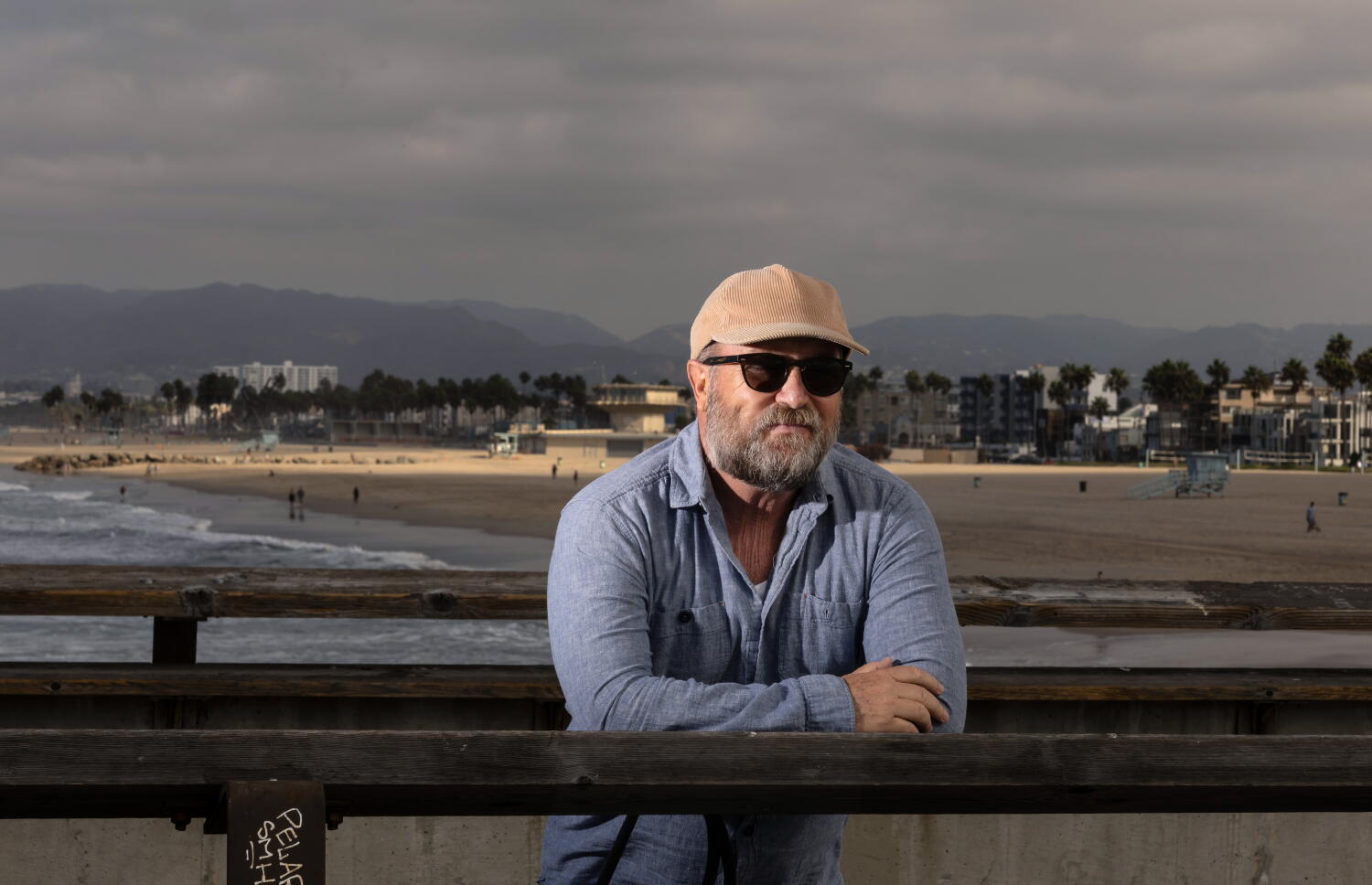
Surf culture has long sold a very specific image. It’s rugged, aggressively territorial, and historically rooted in a hyper-masculine attitude where outsiders get eyed with suspicion. If you didn’t fit the mold, the ocean felt like a very lonely place. But things are shifting on the sand in Southern California. Local figures like Glen Walsh—known locally as Glenice Venice for his daily Venice Pier surf updates—are helping dismantle the old, exclusionary walls of surf localism to make room for a genuinely inclusive community.
For decades, stepping into the lineup meant navigating an unwritten code of macho posturing. Localism wasn't just about protecting a break; it often meant enforcing a rigid conformity. Growing up in Santa Monica and Venice, surfers like Walsh experienced firsthand the friction between loving the ocean and hiding parts of identity to avoid friction or hostility. Surfing was supposed to be an escape, yet the social shore culture often mirrored the exact exclusions found elsewhere.
Why does this shift matter right now? Because the old guard of surf culture is losing its grip on the narrative. Independent surf reporters, grassroots collectives, and documentary projects like the 2014 film Out in the Lineup have dragged the hidden realities of LGBTQ+ surfers out of the shadows. Surfers don't want to check their identities at the water's edge anymore. They want to catch waves without looking over their shoulders.
Breaking Down the Lineup Barrier
Localism in places like Venice Beach used to mean intimidation. You paddle out, you respect the heavy locals, and you keep your head down. When identity gets layered into that dynamic, the barrier multiplies. Queer surfers historically faced silent exclusion or outright hostility, forcing many to stay closeted or travel to remote breaks just to find peace.
Today, that dynamic is cracking open. Inclusive lineups aren't just a nice idea; they're actively changing who feels welcome in the water. Walsh and other community advocates show that you can hold deep respect for local surf history while simultaneously rejecting its toxic gatekeeping. You don't need to bully people to protect a break. You just need mutual respect and working waves.
The Rise of Inclusive Surf Spaces
The movement isn't staying confined to Southern California. Across coastal regions, independent queer surf clubs and safe-space collectives are popping up. These groups provide a low-stress environment where transgender, non-binary, and queer surfers can learn, progress, and share sessions without policing or judgment.
If you're looking to support or plug into this shift, start local. Look for independent surf initiatives that prioritize community over ego. Support creators and filmmakers documenting diverse voices in board sports. Drop the outdated idea that surfing has to belong to a single archetype.
The ocean belongs to everyone who respects it. The culture surrounding it is finally catching up.
How LGBTQ+ Surfers Are Creating a More Inclusive Surf Culture -> Wait, let me make sure I follow the exact rule for the YouTube link.