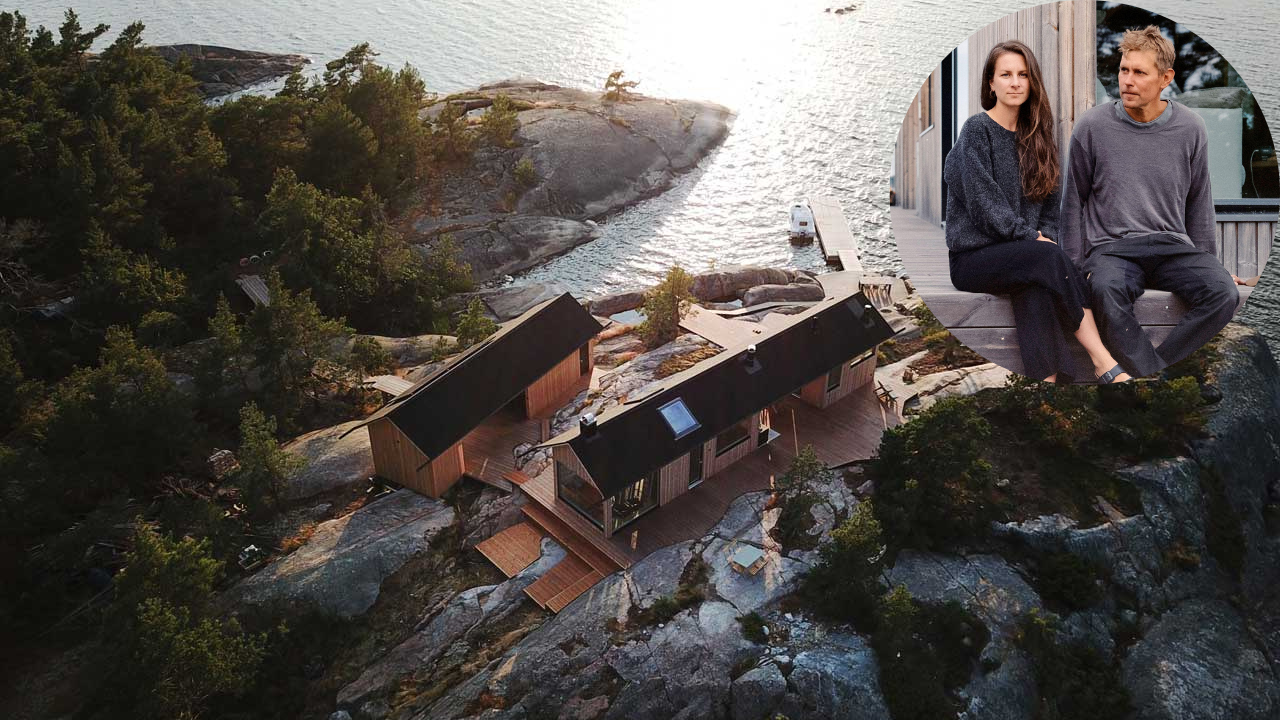
Most people spend five years scrolling through property listings dreaming about a change, but one couple used that exact stretch of time to scan satellite imagery until they found an untouched piece of the earth. They didn't just buy land. They found a five-acre Finnish island hiding in plain sight and turned it into an entirely solar-powered sanctuary.
If you think building an off-grid home on a remote northern island sounds like an impossible fantasy reserved for reality television, you aren't alone. Most people assume you need millions of dollars, a crew of contractors who hate working in freezing weather, and government permits that take decades to clear. But this Finnish island project proves that stubborn patience and modern mapping technology can bypass traditional real estate gatekeepers entirely. In other developments, we also covered: Why Monty Don Building Longmeadow From Scratch Changes Everything You Know About Gardening.
Let's break down how they pulled it off, why most people fail at remote construction, and what you can actually learn from their digital scouting mission.
The Reality of Five Years Behind a Screen
Scanning satellite maps for hours on end sounds romantic until your eyes start twitching at three in the morning. Finding a usable island isn't just about spotting a green patch in blue water. Most remote islands are either protected nature reserves, too rocky to anchor a foundation, or located so far from the mainland that hauling a bag of cement requires a commercial shipping operation. The Spruce has provided coverage on this critical subject in extensive detail.
When you search for land online, you face a wall of zoning laws, ownership disputes, and hidden access rights. In Finland, the legal framework around waterways and property ownership has specific nuances that outsiders rarely understand. You can't just claim a rock in a lake. You have to buy it legally, check local building codes for shorelines, and navigate municipal approvals that protect local ecosystems.
Spending five years looking means discarding hundreds of dead ends. Islands with marshy soil. Islands with no timber. Islands owned by seven different cousins who refuse to sign a deed. Persistence is the actual currency of remote property hunting.
Powering a Nordic Home Without Fossil Fuels
Building a solar-powered home anywhere sounds straightforward until you remember where Finland sits on the globe. Solar energy in a northern European climate comes with a brutal catch. You get endless daylight during summer months, but winter brings weeks of near-total darkness and sub-zero temperatures that drain battery banks faster than you can charge them.
Too many amateur off-grid builders slap a few panels on a roof and cross their fingers. That approach leaves you freezing in December. A successful northern solar setup requires a multi-layered energy strategy.
- Oversized Battery Storage: You have to store enough capacity to carry the household through weeks of overcast skies. Lithium iron phosphate batteries handle the cold better than older tech, but they still need thermal protection.
- Backup Generation: Solar alone won't cut it during a harsh Nordic winter. Wood-burning stoves for heat and dual-fuel backup generators are mandatory safety nets, not optional luxuries.
- Energy Efficiency First: If your appliances leak heat or draw massive standby loads, your solar array has to be massive. Insulation quality dictates your power needs more than panel count.
The couple didn't just plug in some panels. They designed a thermal envelope that keeps warmth trapped inside, reducing their reliance on active heating systems when the sun dips below the horizon for months at a time.
Why Traditional Construction Fails on Remote Islands
Trying to build a house where trucks cannot drive forces you to rethink every single step of the construction process. You cannot order a concrete mixer truck to roll up to your front door when your front door is surrounded by icy water.
Logistics dictate design. Every nail, every sheet of drywall, and every solar panel has to be barged, boated, or hauled across ice depending on the season. If you miscalculate your material list by a single box of screws, your project stalls for weeks.
Local materials save projects. Using timber sourced from the region or nearby mainland suppliers cuts down transport costs and ensures the structure can handle local weather patterns. Heavy winds sweep across open lakes and coastal waters with zero obstruction. If your roof framing isn't anchored to withstand severe gales, your dream home becomes a pile of kindling during the first autumn storm.
What You Should Do If You Want Out
If staring at satellite maps until your eyes hurt sounds like your kind of weekend, stop treating it like a daydream and start treating it like a logistics puzzle.
Start by learning the property laws of the specific region you want to target. Foreign ownership restrictions, environmental protection zones, and right-to-access laws vary wildly between countries. If you ignore local regulations, local authorities will tear down your hard work without blinking.
Next, calculate the true cost of transport. The land purchase price is usually the cheapest part of an off-grid island project. The real expense is getting materials, utilities, and human labor to a place with no roads. Budget for boats, trailers, fuel, and specialized equipment before you sign any purchase agreements.
Finally, test your tolerance for isolation. Visiting an island for a sunny weekend in July feels like paradise. Surviving a week of freezing rain in November with no running water or grid electricity will test your sanity. Rent a remote cabin for a month during the worst weather of the year before you drop your savings on a five-acre rock in the middle of nowhere.
Build smart, respect the climate, and stop waiting for permission to live differently.