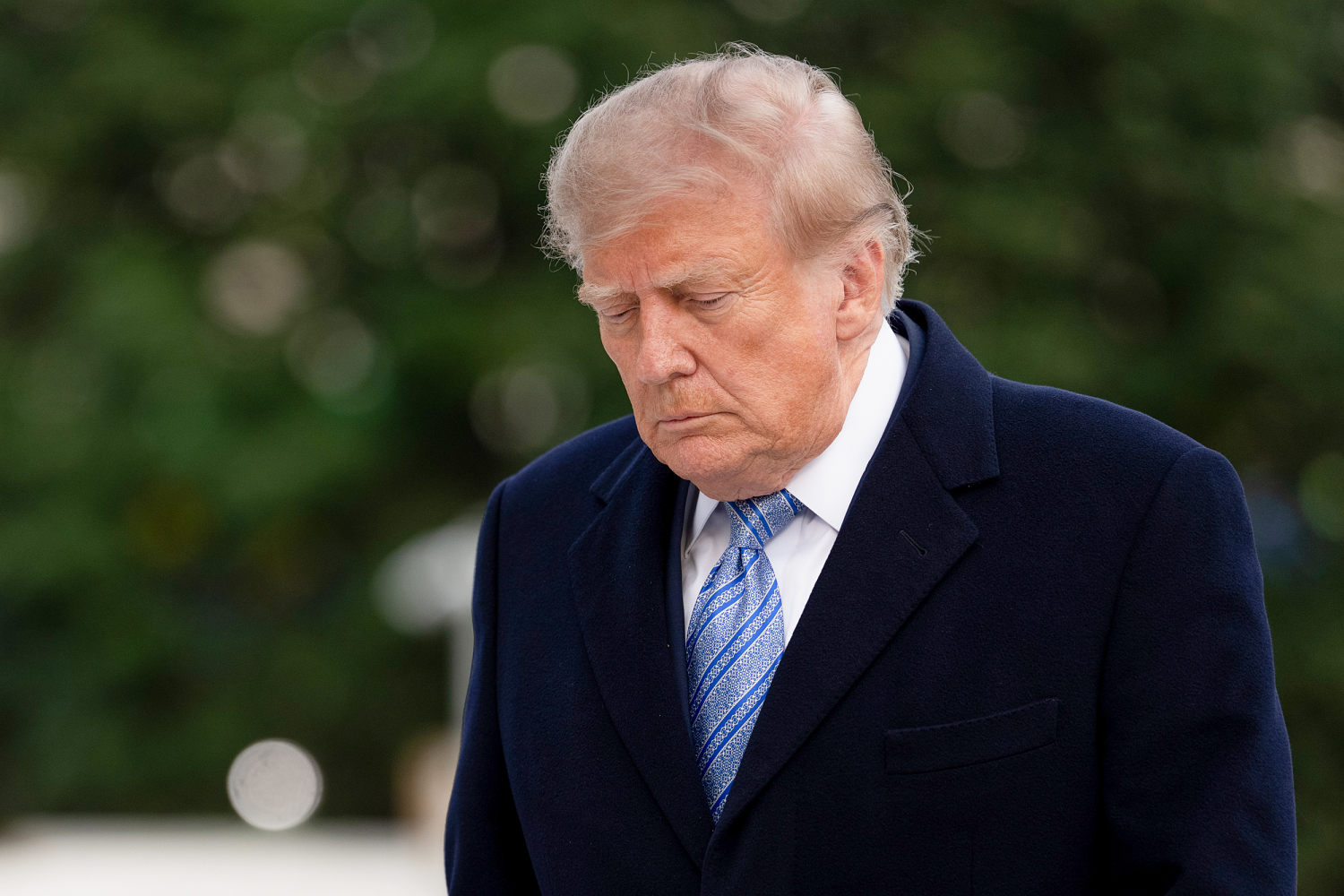
Washington just pulled the ultimate power move on Silicon Valley. When President Trump convenes top artificial intelligence leaders, executives from OpenAI, Anthropic, and other tech powerhouses aren't walking into a standard bureaucratic briefing. They're stepping into a high-stakes arena where national security clashes directly with commercial speed. If you think this is just another photo-op for politicians, you're missing the entire plot.
The race for technological supremacy has entered a brutal phase, and Washington wants total dominance. While European regulators tie themselves in knots over compliance frameworks and data privacy rules, the Trump administration is doubling down on a fast-track, pro-growth strategy. The core question on the table isn't whether artificial intelligence will change the world. It's who gets to write the rules while it happens.
The Collision of Safety and Speed
Silicon Valley is deeply divided right now, and that division is bleeding into White House policy. On one side, companies like Anthropic push hard for strict safety guardrails, mandatory testing, and careful pacing to prevent catastrophic risks. On the other side, hardware giants and aggressive startups argue that slowing down is a guaranteed way to hand the crown to Beijing.
Trump has made his stance crystal clear. He's dismissed overly cautious restrictions as a roadblock to American progress, famously remarking that whoever wins the artificial intelligence race wins the geopolitical future. That philosophy directly influences current administration proposals, including talk of an elite federal "AI Force" designed to keep the United States miles ahead of foreign competitors.
When executives sit down across from policymakers in Washington, they aren't just debating code. They're negotiating billions in infrastructure investments, energy requirements for massive data centers, and the future of federal oversight.
What the White House Wants from Tech Titans
Washington's strategy relies on a simple premise: American companies need to build faster, deploy harder, and consume more power than anyone else on Earth. Meeting these demands requires massive physical infrastructure. Companies like Meta, Microsoft, and Google are already committing hundreds of billions of dollars to domestic data centers and energy grid enhancements.
The administration wants guarantees that these investments stay anchored on U.S. soil. But they also want tech executives to align with national security priorities. That means confronting tough choices about export controls, open-source safety, and how much cooperation should exist with foreign markets.
Here is what's really driving the agenda behind closed doors:
- Grid Capacity: Training frontier models requires staggering amounts of electricity. The White House is pushing tech firms to invest directly in nuclear and renewable energy sources to prevent blackouts.
- Geopolitical Containment: Washington is tightening the screws on semiconductor exports to ensure rivals cannot acquire the advanced chips required to train top-tier models.
- Federal Adoption: The administration wants federal agencies to integrate machine learning rapidly to cut bureaucratic bloat and track down government waste.
The Real Risk of Over-Regulation
Tech policy experts know that getting this balance wrong breaks the entire ecosystem. If Washington imposes heavy compliance costs, startups flee to friendlier jurisdictions overseas. If Washington imposes zero guardrails, safety advocates warn of unmonitored systems scaling beyond human control.
Yet, the momentum right now heavily favors deregulation. Lawmakers are wary of suffocating an industry that generates trillions in economic value. When congressional leaders and administration officials meet with tech founders, the prevailing mood is urgency rather than caution. They don't want a repeat of social media oversight, where Washington reacted a decade too late. They want to shape the architecture of machine intelligence from day one.
Navigating the Road Ahead
If you run a tech business, build software, or invest in digital assets, this summit sets the tone for the entire market. The era of loose experimentation is wrapping up. Federal policy is hardening around domestic infrastructure, energy independence, and competitive dominance against China.
Watch how these companies respond to White House pressure in the coming months. The winners won't just be the ones with the smartest models. They'll be the ones who master the political and infrastructural realities of the new Washington consensus.