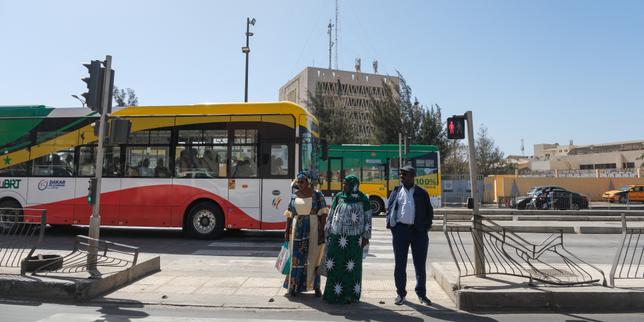
Traffic in major urban hubs across the continent is already past the breaking point. You sit in a shared taxi or minibus for two hours just to cover ten kilometers, watching endless rows of imported sedans creep forward.
We are sleepwalking into a carbon-heavy repeat of twentieth-century Western urban planning. Cities from Dakar to Nairobi are expanding rapidly, and private vehicle ownership is often sold as the ultimate status symbol. That vision is a trap. If urban centers across Africa lock themselves into a car-first mindset, the economic, ecological, and social costs will cripple future generations.
The Myth of the Car-Centric Metropolis
For decades, urban development manuals written in Europe and North America preached that wider highways and massive parking lots equaled progress. Look at how well that worked out. Western cities are currently spending billions trying to tear down urban freeways, reclaim pedestrian zones, and undo decades of asphalt-heavy damage.
Yet, automotive marketing campaigns and poorly adapted infrastructure projects keep pushing private cars onto rising African middle classes. It is an imported illusion. Building cities around individual automobiles fails basic math when urban populations double within a generation. There is simply not enough physical space. Asphalt eats up precious land that should house green zones, markets, and human-scale neighborhoods.
What Actually Moves a City
Real mobility relies on moving people, not metal boxes. Look at the massive informal transport networks that already keep cities running—from matatus in Kenya to danfos in Nigeria. They are noisy and chaotic, yes, but they are adaptable.
Instead of trying to wipe out these grassroots transit systems to build sterile highways for private cars, smart urban planning integrates and upgrades them. Bus Rapid Transit (BRT) lanes, dedicated cycling tracks, and safe pedestrian walkways deliver massive returns on investment. When cities prioritize high-capacity public transport, everyone wins. Workers spend less time stuck in gridlock, air pollution drops, and local economies speed up because goods and services move efficiently.
The Trap of Copied Tech
A major flaw in current development policies is the uncritical adoption of foreign tech models. Smart city consultants love to drop terms like electrified individual mobility or automated traffic grids as if technology alone fixes systemic design flaws. Electric cars still cause traffic jams. Electric cars still require paved parking structures that ruin urban drainage and trigger severe urban flooding during heavy seasonal rains.
Switching from gas-guzzling engines to battery-powered private cars solves tailpipe emissions, but it ignores congestion, road safety crises, and spatial injustice. When the majority of urban residents rely on walking, cycling, or shared minibuses, pouring public funds into subsidized loans for private electric vehicles is bad policy.
Redesigning the Urban Future
Avoiding the car trap requires bold political choices today. City halls must stop treating pedestrians and cyclists as second-class citizens.
- Shift budgets: Reallocate municipal funds away from expanding multi-lane expressways and directly into mass transit networks.
- Protect public space: Reclaim sidewalks from illegal parking and informal vendors to create continuous walking corridors.
- Empower local operators: Formalize and upgrade existing minibus networks with cleaner fleets and predictable ticketing rather than banning them out of hand.
You don't need to look far to see what works. Cities that invest in rail lines, safe bike lanes, and organized shared transport create vibrant street life where people actually want to live. The window to choose a different path is closing fast. Stop building for cars and start building for people.