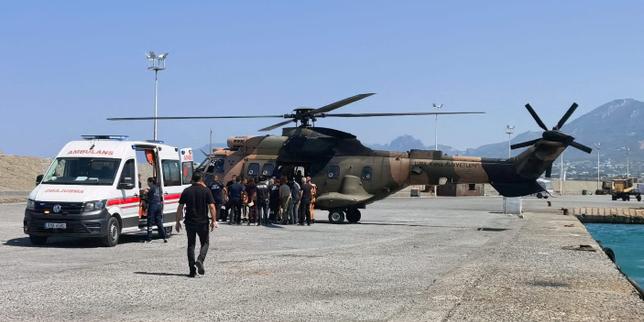
The sea off Kyrenia turned deadly on August 30, 2026. A cruise ferry carrying 267 people suddenly capsized and sank, leaving families shattered and investigators scrambling for answers.
When a vessel carrying hundreds breaks apart or sinks in regional waters, people want to know how it happened. Let's look past the initial headlines. We need to examine what actually went wrong during this Cyprus ferry disaster, why safety protocols failed so quickly, and what survivors reported from the water.
Inside the August 30 Disaster Off Kyrenia
The numbers coming out of Northern Cyprus paint a grim picture. Initial reports counted a handful of victims, but search-and-rescue operations pushed the death toll to 13 people within days of the tragedy. Fifteen individuals remained unaccounted for, leaving coast guard teams working around the clock in the Mediterranean.
Rescaped passengers didn't mince words when describing the chaos on board. Survivors shared terrifying accounts of water flooding the lower decks while the vessel struggled against the sea.
- The Crunch of Failure: Witnesses reported hearing loud structural noises before water rushed inside.
- Equipment Shortages: Multiple survivors pointed out a critical lack of working life vests.
- Crew Actions: Testimonies from passengers accused members of the crew, including the captain, of abandoning ship early without establishing an orderly evacuation.
When you're told a modern commercial vessel is safe, you trust the system. But survivors said the reality on deck felt entirely different. Seats began floating, windows shattered under pressure, and panic took over before any structured response could be coordinated.
Why Maritime Oversight and Safety Standards Face Hard Questions
This tragedy raises serious questions about maritime regulations in the region. The area falls under the jurisdiction of the Turkish Republic of Northern Cyprus (RTCN), a territory recognized exclusively by Turkey since 1983. Political divisions in Cyprus complicate regulatory enforcement, port inspections, and cross-border maritime cooperation.
When oversight is fragmented, corners get cut. Investigators are currently examining whether the ferry met safety standards, whether it was overloaded, and how maintenance logs were handled prior to departure.
If a ship lacks adequate life jackets or experiences catastrophic hull failure during regular operations, systemic checks have broken down somewhere. You can't blame bad luck when basic survival gear is missing from the lockers.
The Ongoing Search and Local Impact
Rescue vessels and divers continue scouring the debris field off the northern coast of the island. Families of the missing gather near ports, waiting for updates that often bring more grief than relief.
Political fallout followed the maritime accident instantly. High-profile diplomatic visits were rearranged as regional leaders reacted to the scale of the human loss. Yet, politics offer little comfort to the relatives of the victims.
Maritime safety standards need strict, independent enforcement across every corner of the Mediterranean. Until authorities hold operators accountable for crew preparedness and vessel seaworthiness, passengers will continue paying the ultimate price for negligence. Stay alert to updates from official maritime rescue coordination centers if you or anyone you know travels through the region.