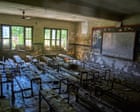
Ten seconds. That was the tiny margin separating survival from total catastrophe for hundreds of students in Nuwakot, Nepal. When a wall of water and debris came barrelling down following a massive glacial collapse along the Nepal-Tibet border, most communities didn't stand a chance. Nearly 800 lives were lost in the disaster, and thousands more went missing as entire bazaars vanished into mud. Yet at the Tribhuvan Trishuli secondary school, a different story unfolded because one educator refused to wait for official confirmation.
Rajendra Dawadi heard the warnings. Then he heard them again. Four separate sources within minutes told him that Betrawati, a town directly upstream, was already flooding. Most people would have hesitated, second-guessed the chatter, or waited for a formal directive from regional authorities. Dawadi didn't. He knew that classrooms could be made up tomorrow, but children couldn't. He halted lessons instantly, abandoned textbooks, and ordered roughly 900 pupils to scramble up a muddy escape route to higher ground.
Minutes later, a nearby hostel building sat completely submerged under a raging torrent. If Dawadi had delayed his choice by even a fraction of an operating window, the outcome would have been unspeakable.
Why Quick Decisions Matter When Infrastructure Fails
Disaster response plans often look great on paper. They rely on tiered communication trees, municipal sirens, and orderly evacuation drills that assume you have hours of advance notice. Real flash floods do not care about protocols. When glacial lakes breach high in the Himalayas, the resulting surge behaves like a liquid battering ram, travelling at terrifying speeds through narrow river valleys.
Dawadi's choice highlights a fundamental truth about crisis management. Authority figures on the ground must trust their instincts over bureaucratic red tape. In remote areas of South Asia, early warning systems can be fragile or entirely non-existent. When upstream contacts start calling with frantic messages, institutional hesitation kills.
Consider what happened at other schools across the region. While Save the Children reported that at least 69 educational facilities suffered severe damage or total destruction, affecting nearly 19,000 children, survival often boiled down to sheer luck or localized human intervention. In Dhading, some students only escaped because they happened to be out on a lunch break when the water struck. Others survived because teachers ditched the curriculum on the spot, screaming at kids to drop their bags and run without their lunchboxes.
The Growing Threat of Himalayan Glacial Disasters
You can't talk about these floods without looking at the broader environmental crisis unfolding across the roof of the world. Scientists from the US Geological Survey confirmed that the disaster stemmed from a sudden glacial collapse. As global temperatures climb, high-altitude ice bodies destabilize, creating massive hidden lakes that can rupture without warning.
The human toll has been catastrophic. More than 3,700 people required rescue operations, while thousands remained out of contact as search teams combed through thick layers of grey silt and debris. Nepal's foreign ministers have repeatedly pointed out the cruel irony of the situation. Mountain communities contribute a microscopic fraction of global fossil fuel emissions, yet they bear the brunt of extreme climate impacts.
Lessons From the Mud
What can other vulnerable regions learn from what happened in Nuwakot?
- Cut through the bureaucracy. Empower local leaders, headteachers, and community elders to sound the alarm immediately based on peer reports. Waiting for centralized confirmation wastes precious seconds.
- Prioritize human life over property. Students left behind textbooks, backpacks, and tiffin boxes because teachers enforced a strict zero-bag policy during the exit. Possessions are replaceable; lives are not.
- Map out vertical evacuation routes in advance. In mountain valleys where lateral escape is impossible, knowing the fastest, steepest path upward makes the difference between life and death.
Rajendra Dawadi doesn't view himself as a legend. He just saw a threat and moved his kids. As Nepal continues the grueling task of recovering from one of its worst natural disasters, the actions of educators who trusted their gut serve as a stark reminder of what true leadership looks like when the mountain starts to fall.