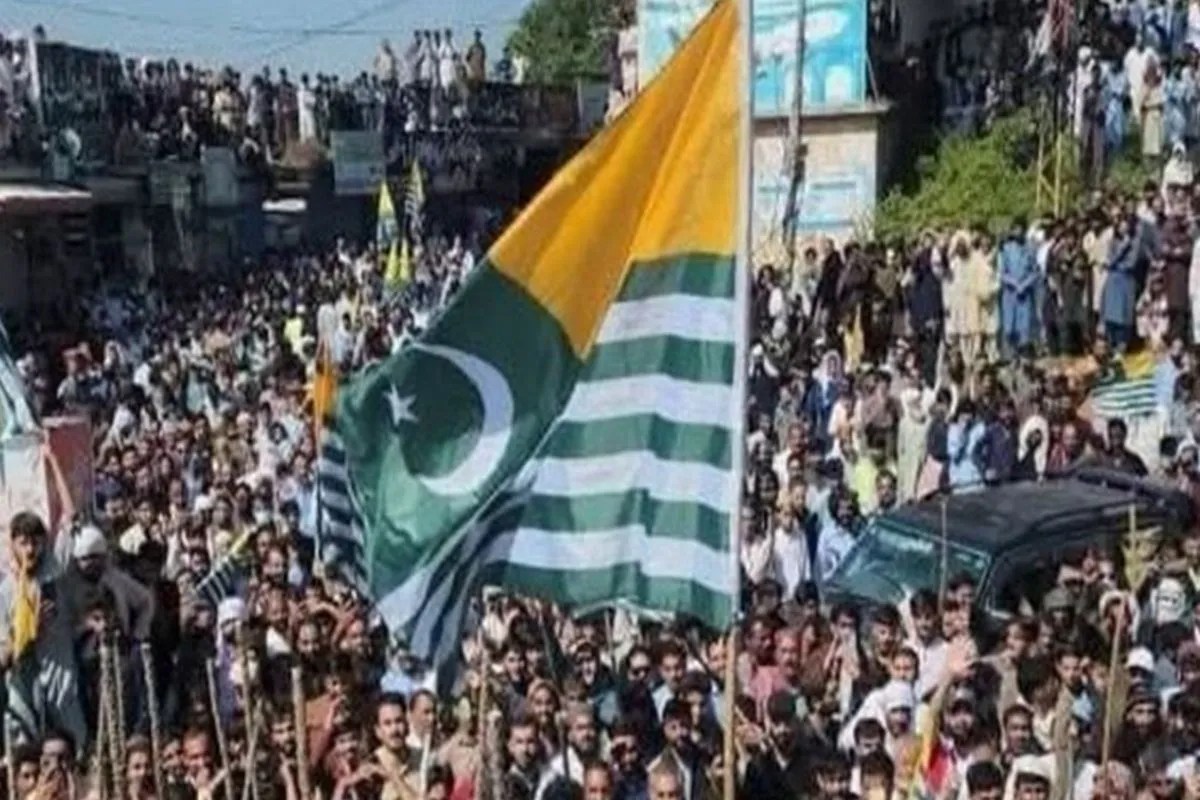
If you think the ongoing turmoil in Pakistan-administered Kashmir is just another localized protest, you're missing the entire plot. For months, the region has been a tinderbox, driven by intense public anger, heavy-handed state responses, and a systemic breakdown of trust between local residents and the administration in Islamabad. The Human Rights Commission of Pakistan (HRCP) recently stepped in with an eye-opening assessment, laying bare the brutal reality behind the unrest that officials keep trying to sweep under the rug.
Let's cut through the official rhetoric. When thousands of ordinary citizens take to the streets despite severe crackdowns, communication blackouts, and intimidation, it isn't because they woke up one day looking for trouble. It is because decades of systemic neglect, crushing economic pressure, and aggressive institutional suppression have pushed them past their breaking point.
The Root Causes of the Explosive Anger
The anger in the region isn't random. It's built on a foundation of deep-seated grievances orchestrated by the Jammu Kashmir Joint Awami Action Committee (JKJAAC). People are sick of being treated like second-class citizens in their own backyard.
- State Overreach and Excessive Force: Security forces haven't just managed crowds; they've waged a campaign of intimidation. Protesters face disproportionate violence, and state authorities routinely rely on heavy-handed tactics rather than dialogue.
- Weapons of Mass Bureaucracy: Instead of addressing legitimate demands, the administration weaponized legal frameworks. Dropping dozens of activists into the notorious "Fourth Schedule" and slapping anti-terrorism laws on peaceful political dissidents shows just how terrified the establishment is of losing control.
- Media Blackouts: Controlling the narrative requires silencing the truth. Journalists and independent voices face constant harassment, arrests, and pressure from multiple fronts, making objective reporting nearly impossible.
Why Institutional Trust Has Flatlined
You can't rule through fear forever. The HRCP report highlights a terrifying reality for Islamabad: the total collapse of public trust in local institutions. People don't believe the courts, they don't trust the police, and they certainly don't buy the government's promises.
When you jail local leaders, shut down internet lines, and militarize entire neighborhoods during peaceful demonstrations, you destroy any remaining goodwill. The elections and political processes managed in the region look less like democratic exercises and more like managed theatre designed to rubber-stamp authoritarian decisions. Low voter turnouts in certain areas aren't just apathy—they're a deliberate, quiet boycott of a rigged system.
The Demand for Political Reality
Everyone on the ground knows that brute force won't fix this. Even amidst the chaos, a clear consensus emerges from community leaders and activists alike: political grievances demand political solutions.
Treating a socio-economic and political crisis as a law-and-order problem guarantees failure. Independent investigations into the casualties and injuries recorded since June need to happen immediately, with real accountability for anyone—state actor or civilian—who crossed the line.
Until Islamabad realizes that you can't bomb, arrest, or censor your way out of a popular uprising, the streets of PoJK will remain volatile. The writing is already on the wall. Ignore it at your own peril.