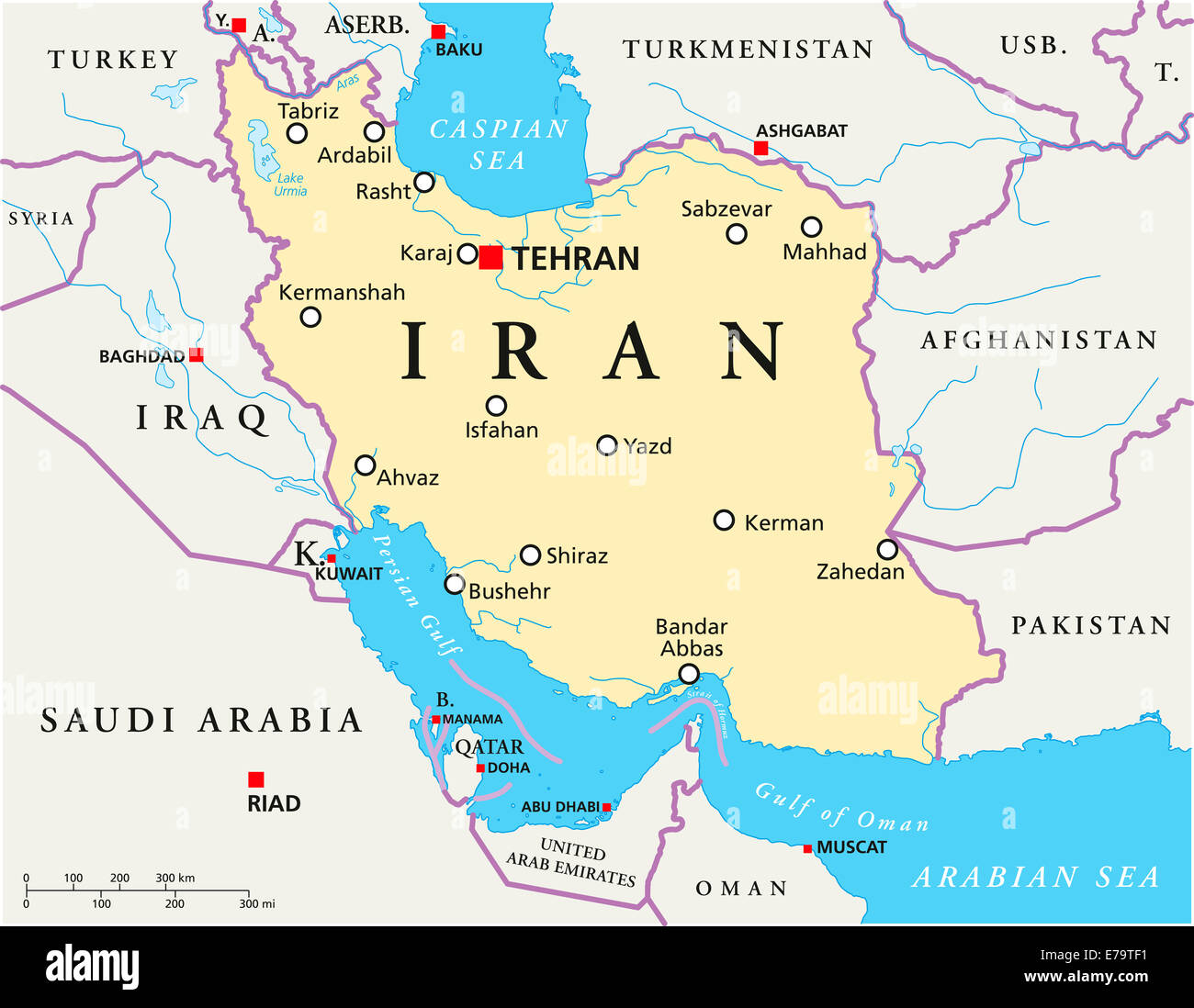
The maritime flashpoint in the Middle East just blew up past the boiling point. If you thought the tension in the Strait of Hormuz had settled down into a quiet stalemate, you missed the latest round of high-stakes naval warfare. The United States military and Iran's Islamic Revolutionary Guard Corps (IRGC) have traded aggressive retaliatory strikes against oil tankers and warships, shattering a brief month-long lull in hostilities.
Let's look at what actually happened on the ground and why this flare-up matters for global energy markets.
The Spark That Reignited the Conflict
The latest escalation didn't happen in a vacuum. It kicked off when US Central Command (CENTCOM) reported that two American warships—an aircraft carrier and a missile destroyer—were targeted by ballistic missiles while patrolling regional waters. According to CENTCOM Commander Adm. Brad Cooper, the warships successfully evaded the unprovoked Iranian attacks, leaving no American personnel injured.
The response was immediate and brutal. Washington didn't just fire warning shots. The US military launched precise strikes that hit three Iranian oil tankers, disabling them permanently. One struck vessel sat near Kharg Island, the absolute lifeblood of Iran's crude oil export system where roughly 90% of the country's oil is processed. Two other tankers took heavy damage in the Gulf of Oman, forcing crews to abandon ship in lifeboats.
Defense Secretary Pete Hegseth didn't mince words on social media regarding the new rules of engagement. He stated bluntly that if Iran shoots at US Navy vessels, the US will destroy and sink their oil tankers.
The Reality of Iran's Shadow Network
Why target these specific tankers? The US military argues that these vessels aren't just innocent commercial carriers. Instead, Washington labels them part of a multi-billion-dollar "shadow network."
Because international sanctions restrict official Iranian oil sales, Tehran relies heavily on these ghost fleets to move crude and fund both the IRGC and regional proxy groups. By going after the shadow fleet, the US is targeting the financial pipeline supporting Iran's military operations.
Iran sees things very differently. Tehran's state media and foreign ministry condemned the American strikes as a severe violation of the United Nations Charter and a direct threat to international shipping safety. Iranian officials warned that their forces would target American military personnel in the region much more aggressively if the shipping attacks continue. Shortly after the US strikes, Iranian state media reported that the IRGC retaliated by targeting vessels tied to the US along with unauthorized tankers navigating the Strait of Hormuz.
What This Means for Global Shipping and Oil Prices
The Strait of Hormuz handles roughly one-fifth of the entire world's petroleum supply. Ever since the broader conflict flared up, this vital maritime chokepoint has faced severe disruptions, effectively shutting down normal commercial transit and driving global fuel prices upward.
While top officials downplay the economic fallout—with some dismissing the broader conflict as minor—markets tell a different story. Every time a tanker gets hit or a missile flies near a warship, insurance rates spike and crude prices react violently.
The situation shows no sign of cooling down. Both sides are doubling down on maritime deterrence, treating commercial vessels and oil tankers as legitimate tactical assets in an ongoing war of attrition.
US and Iran trade strikes for first time in weeks | BBC News
This video provides a detailed breakdown of the recent maritime clashes and the tactical moves made by both US and Iranian forces in the Strait of Hormuz.