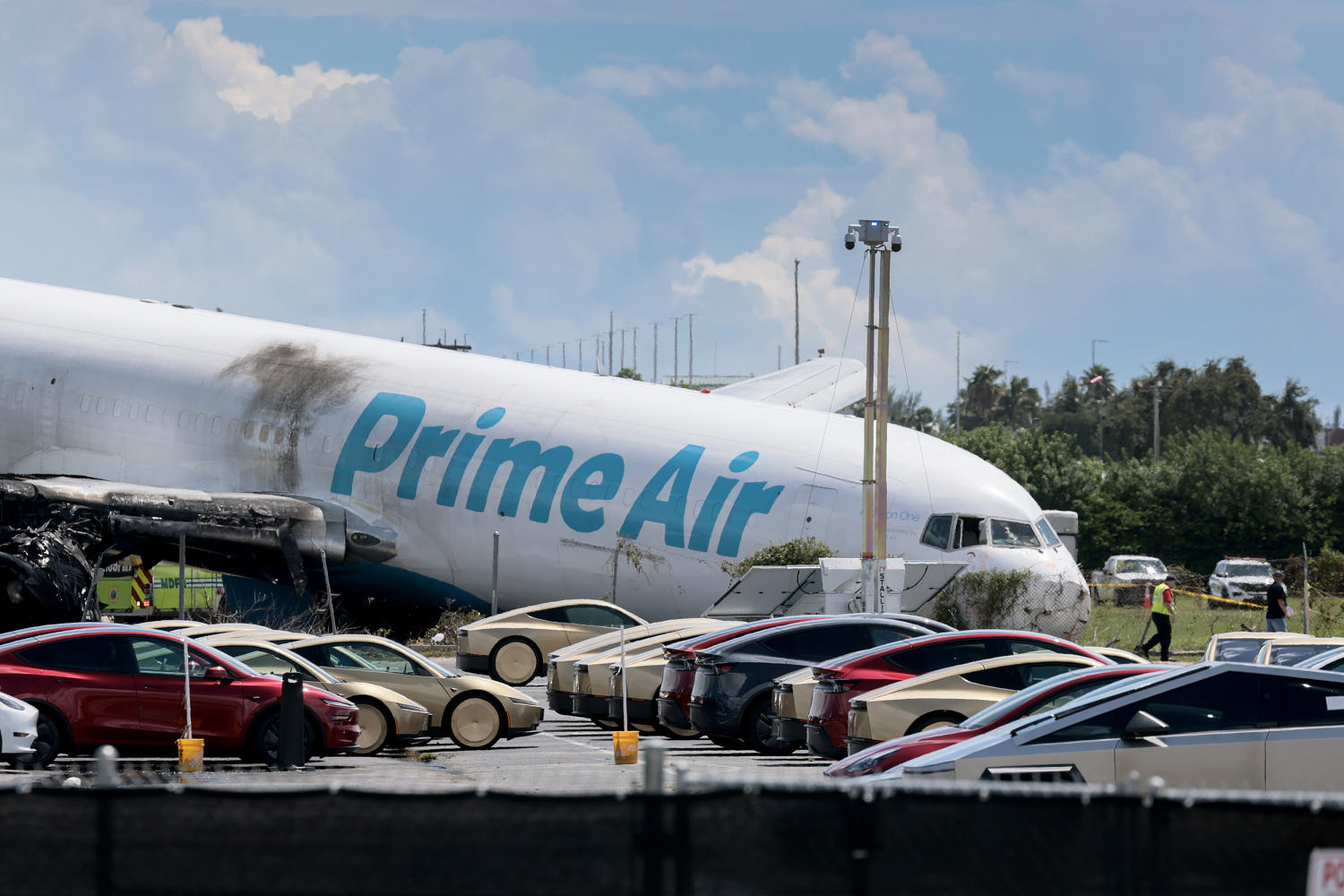
A routine landing turned into absolute catastrophe at Miami International Airport when an Amazon-branded cargo plane failed to stop, overshooting the runway by roughly 1,300 feet. The Boeing 767, operated by 21 Air for Prime Air, slammed into vehicles on the ground, resulting in five deaths and multiple injuries. When massive commercial aircraft leave the pavement, the consequences are immediate and brutal.
Investigations by the National Transportation Safety Board quickly zeroed in on speed. According to early findings from cockpit voice and data recorders, the aircraft came in too fast and touched down far down the tarmac. Automated descent warnings sounded in the cockpit, yet the flight crew didn't manage to bring the heavy freighter to a halt before it plowed past the runway threshold.
The Reality of Ground Collisions
Most people assume aviation disasters happen in the clouds, but runway overruns pose unique risks because airports sit right up against highways, perimeter roads, and local businesses. In this specific incident, the aircraft didn't just slide onto grass. It struck a cleaning company van and other vehicles, trapping occupants and igniting devastating fires.
Miami-Dade Fire Rescue deployed dozens of units to tackle the roaring blaze near the perimeter. Five people lost their lives on the ground, while several others sustained critical injuries. The flight crew survived the impact, leaving investigators with the arduous task of picking through the wreckage and analyzing every second of the approach.
Why Speed and Approach Stability Matter
Flying a widebody cargo jet requires strict adherence to stabilization parameters. If an aircraft crosses the threshold at too high a velocity, the available stopping distance shrinks rapidly. Spoilers and reverse thrusters can only do so much if the physics of momentum are working against the pilot.
According to NTSB briefings, the crew struggled with an unstabilized approach. When a landing isn't shaping up right, standard procedure demands a go-around—climbing back up and trying again. Skipping that safety step often leads to disaster. Aviation experts point out that pride or schedule pressure can sometimes cloud decision-making in the cockpit, though official conclusions will take months to finalize.
Fallout and Operational Suspensions
The commercial impact followed swiftly. Amazon announced a pause in its operational partnership with 21 Air while the federal inquiry unfolds. Scrutiny naturally falls on third-party air carriers operating under major logistics banners. Brands like Amazon rely on contracted airlines to fly their goods, but when a fatal crash happens, public trust fractures instantly.
For anyone tracking aviation safety, this incident serves as a grim reminder that logistics growth cannot outpace rigorous oversight. Pilots, dispatchers, and air traffic controllers operate under immense pressure to keep supply chains moving. But when safety margins are ignored, the cost is paid in human lives.
Review the initial reporting and updates on the investigation via 5 killed after Amazon cargo plane overruns runway.
This video provides a direct visual overview of the runway overrun incident at Miami International Airport and the emergency response that followed.