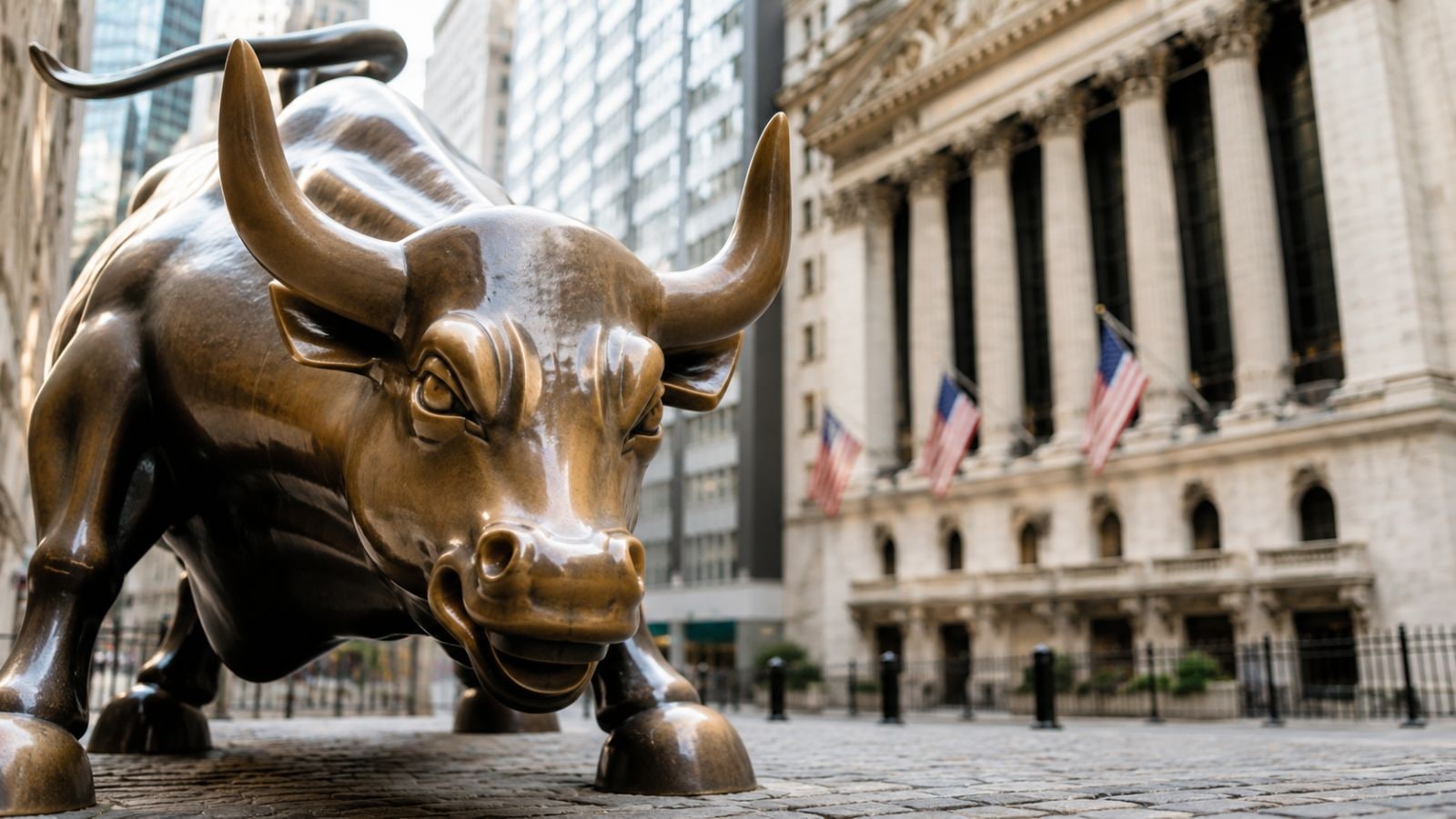
Getting people to visit America sounds easy on paper. You market the bright lights of New York, the beaches of California, and the dramatic vistas of the Grand Canyon. Yet, foreign tourist numbers aren't cooperating. Despite high-profile meetings between the White House and executives from heavyweights like American Airlines, Marriott, MGM Resorts, and Carnival, international arrivals continue to lag behind pre-pandemic benchmarks.
The administration wants to crown the U.S. as the world's most visited country, aiming for an ambitious 100 million annual visitors. That crown currently belongs to France. But hitting that target requires more than wishful thinking and executive roundtables. Real structural hurdles stand in the way, and recent policy choices are actively pushing potential travelers toward competing destinations across Europe and Asia.
The Cost Factor and Policy Friction
Let's look at why foreign travelers are hesitating. Visiting the United States has always been expensive, but recent fee structures have pushed vacation budgets past breaking points. The administration introduced a $100 fee hike for international visitors at major national parks like Yellowstone and the Grand Canyon. While the goal was boosting federal revenue, tour operators report that it backfired. Travelers from Europe and Asia are rethinking long-haul trips, opting instead for countries that don't penalize foreign passport holders with steep surcharges at public attractions.
Visa friction adds another layer of deterrence. Stricter immigration vetting and shifting rules create uncertainty. When planning a vacation, people look for ease and predictability. If securing a visa feels like an interrogation or a bureaucratic maze, tourists simply book a ticket elsewhere. Trade tensions and tariff disputes don't help either. Major travel associations point out that tourism often gets caught in the crossfire of broader economic protectionism, making overseas consumers view the U.S. market as less welcoming.
Infrastructure and the World Cup Bump
You might think hosting global mega-events would fix the slump. The U.S. enjoyed a temporary bump in inbound traffic thanks to the summer soccer tournaments, but the numbers dipped right back down once the matches ended. The Commerce Department notes that overseas visitor volumes dropped another 4.7% shortly after the seasonal hype faded.
Infrastructure limitations play a quiet role here, too. Major transit hubs struggle during peak travel windows, and domestic flight costs remain stubbornly high. Tourists landing in New York or Los Angeles quickly realize that getting around the country without a car is difficult and pricey. Unlike dense European rail networks, American travel logistics demand serious cash and planning.
What Needs to Change
Fixing this tourism deficit requires a complete shift in strategy. Raising fees on tourists to squeeze short-term revenue kills the long-term economic value these visitors bring to local hotels, restaurants, and small businesses. If the U.S. genuinely wants to compete with France and Spain for global supremacy, policymakers need to streamline visa processes, stabilize trade rhetoric, and make exploring American landscapes affordable again. Until then, those grand visitor targets will remain out of reach.
Stop treating international tourists as a cash cow. Lower the barriers to entry, fix the bureaucratic friction, and focus on hospitality instead of restrictions.
Trump Administration Raises Costs for Foreign Travelers at Most
This short video highlights how recent fee increases for foreign travelers at U.S. national parks are impacting international tourism and visitor numbers.