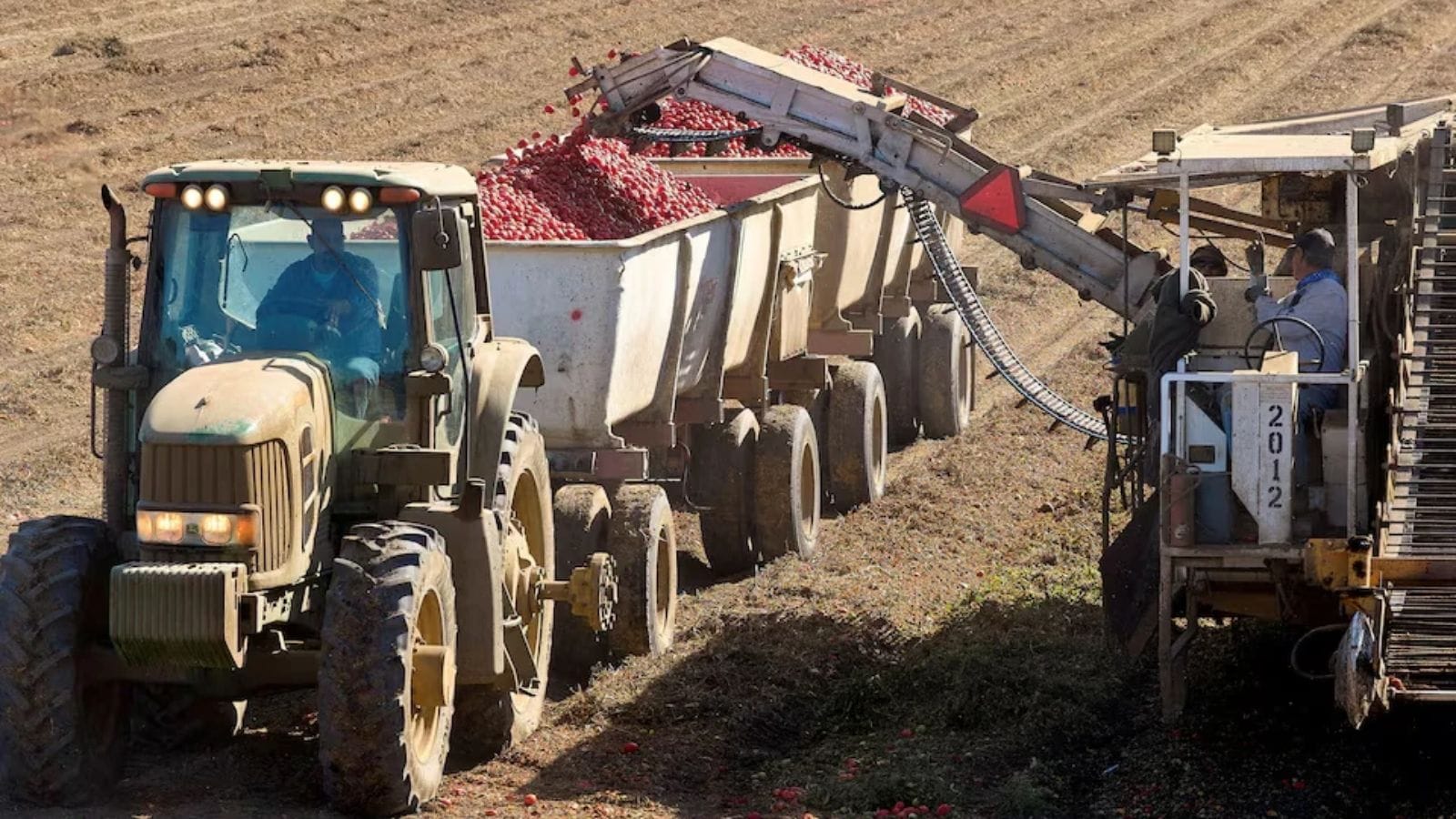
When diesel prices spike past six dollars a gallon, panic sets in across rural America. That's exactly what happened when soaring energy costs hammered agricultural profit margins right in the middle of the autumn harvest. To calm frustrated voters ahead of midterm elections, President Donald Trump signed an executive order temporarily waiving off-road restrictions on red-dyed diesel.
The promise sounds simple enough: let anyone pump tax-exempt red diesel for highway use, bypass federal excise taxes, and slash operating expenses for farmers and truckers hauling heavy loads. But if you talk to growers in places like South Dakota or examine the fine print of state regulations, you quickly realize the policy is a massive headache dressed up as relief.
The Red Diesel Trap That Nobody Talked About
Red-dyed diesel is chemically identical to standard clear diesel, but it's exempt from federal highway taxes because it's meant exclusively for tractors, combines, and heavy construction gear. When the White House announced that the off-road restriction was temporarily lifted through December 31, many producers figured they could finally catch a break.
Reality hit fast. Ryan Wagner, a farmer in Roslyn, South Dakota, pointed out the obvious flaw during recent interviews. He worries that utilizing tax-exempt fuel on public roads creates a slippery slope that could eventually drain the exact funds required to maintain local infrastructure. More immediately, farmers face a terrifying bureaucratic reality: federal orders do not automatically override state tax laws or state enforcement agencies.
Drivers running red diesel on public highways can still trigger massive state penalties. Some jurisdictions carry fines reaching up to $10,000 for highway fuel violations. Federal executive actions don't magically shield a grain truck driver from a state trooper checking fuel tanks with a chemical dipstick.
Why the Savings Might Not Be Worth the Drive
Logistics present another massive hurdle that urban policymakers completely overlook. Ordinary neighborhood gas stations and standard commercial truck stops rarely carry red diesel in their underground storage tanks. Finding a bulk supplier of dyed fuel often means driving miles out of your way to a specialized agricultural co-op or a dedicated bulk plant.
When you factor in fuel consumption, equipment wear and tear, and lost hours during the peak harvest crunch, driving forty miles out of your way to save a few cents per gallon makes zero financial sense. As many producers note, even if you manage to find an accessible pump, the juice simply isn't worth the squeeze.
The Broader Energy Squeeze Driving the Panic
To understand why this executive order was rushed out in the first place, look at the macroeconomic pressure cooker. U.S. diesel prices skyrocketed following supply disruptions in the Middle East, ongoing conflict with Iran, refinery disruptions, and export restrictions abroad. AAA data showed average diesel hovering near record highs compared to historical baselines, up roughly 77% over the year.
The administration has scrambled to throw options at the wall. Alongside the red diesel waiver, the White House rolled out an $8 billion agricultural financial support package, relaxed fuel shipment sanctions, and pushed allies to release emergency reserves. Yet the fuel tax exemption remains the most controversial tool because of the friction it creates between federal mandates and state-level enforcement.
What Farmers Are Doing Instead
Smart operators aren't rolling the dice on state highway fines just to save on a tank of fuel. Instead of hunting down scarce red diesel and risking roadside audits, commercial haulers and agricultural producers are focusing on what they can actually control:
- Auditing fuel consumption per acre to trim waste during field operations.
- Coordinating bulk deliveries directly to farm tanks rather than sending road trucks on wild-goose chases for tax-free pumps.
- Monitoring state Department of Transportation announcements closely to verify if local authorities have actually issued temporary waivers that align with federal guidelines.
The temporary federal exemption expires at the end of December. Until state regulators synchronize their rulebooks with executive orders, chasing tax-free fuel on public roads remains a gamble most careful producers refuse to take.