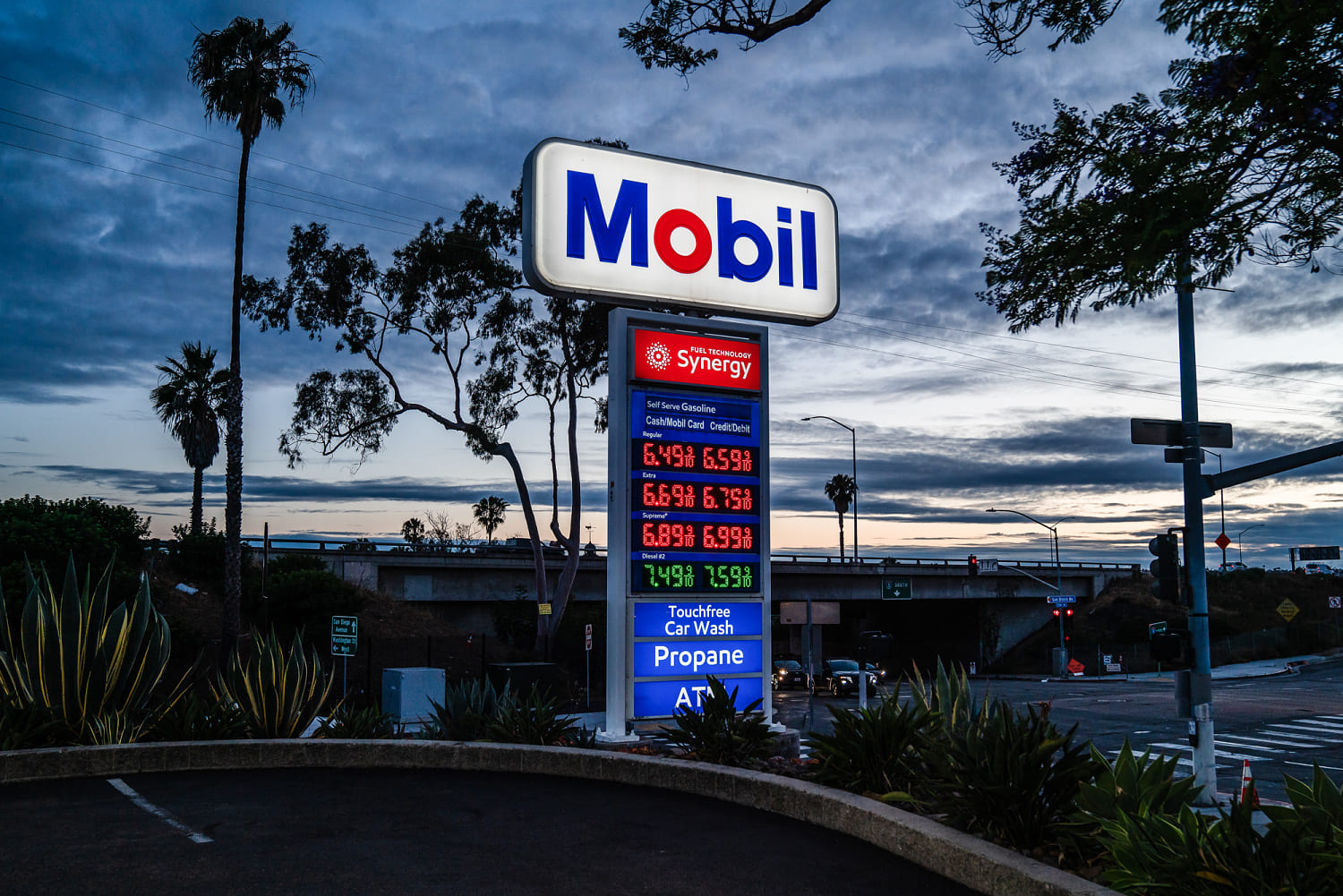
You have probably stared at the glowing numbers at your local gas station and felt a slow, burning irritation. We all have. When the conflict in Iran flared up on February 28, 2026, the global energy market did exactly what it always does. It panicked. In a matter of days, the Strait of Hormuz was choked off, Brent Crude breached $120 a barrel, and regular unleaded shot up like a rocket.
Most people look at the jump from roughly $2.98 to a national average peaking near $4.00 and think, "Well, that's an extra buck a gallon." But that is a massive understatement.
The real economic damage isn't just the visible bump at the pump. It's a hidden, compounding tax that has quietly drained billions from American households over the last 110 days. Even with recent peace frameworks bringing oil back down to the $80 range, the damage is done. Your wallet took a direct hit, and the ripples are still moving through the economy.
The Invisible Math Behind Your Missing Cash
When we talk about the cost of geopolitical instability, it's easy to look at the massive federal price tags. The Pentagon reported billions spent in the opening days of the operation alone. But researchers at Brown University's Climate Solutions Lab decided to look at the household level. They built an energy cost tracker to calculate the difference between what Americans actually paid and a "no-war" historical baseline.
The numbers are staggering.
- $60 Billion: The total extra financial burden saddled onto American consumers for gasoline and diesel since the conflict started.
- $460: The average additional cash drained per U.S. household across both fuel types.
- 34.1%: The sudden percentage surge for regular unleaded, forcing families to rethink basic daily expenses.
If you drive a standard crossover or a truck, you didn't just lose $460 in a vacuum. That was money earmarked for groceries, savings, or perhaps a summer vacation. The hidden tragedy here is that the extra cash went entirely toward maintaining the status quo—just getting to work and back.
Why Diesel Matters Even If You Drive an Electric Car
A common misconception is that if you own an EV or work from home, you escaped the 2026 fuel crisis untouched. That is completely wrong.
While gasoline costs Americans about $33.2 billion in excess spending, diesel accounted for more than $27 billion of the burden. Think about what runs on diesel. The semi-trucks delivering fresh produce to your local grocery store. The cargo ships carrying components for your electronics. The delivery vans bringing packages to your doorstep.
When regional diesel averages spiked past $5.12 a gallon from a pre-war baseline of $3.67, logistics companies didn't just absorb that cost. They passed it right down to you. Every box of cereal, pair of shoes, and piece of furniture you bought over the last three months carried a micro-surcharge to offset the price of global shipping disruptions. It is an economy-wide tax that spares no one.
The Regional Lottery of Pain
The national average of $3.999 per gallon doesn't tell the whole story because energy markets are hyper-local. Depending on your zip code, the conflict hit your finances completely differently.
Drivers in Indiana or parts of the Midwest saw numbers rise but hover in a relatively manageable territory. Meanwhile, commuters in California faced a brutal reality, watching signs tick up toward the $6.00 mark. If you live in a state with high baseline fuel taxes and strict environmental blending requirements, the global supply shock acted as an amplifier, turning a bad situation into a household budget emergency.
How to Recoup the Loss Right Now
The international benchmark has eased up over the last week following the announcement of a peace framework. But experts warn that emergency crude stockpiles are heavily depleted. Retail prices are famously sticky; they shoot up like a rocket but drift down like a feather. You cannot wait for the market to normalize to fix your budget.
First, look at your loyalty programs. Most major gas chains offer apps that shave 5 to 10 cents off every gallon. If you aren't using them, you're leaving money on the table.
Second, auditing your driving habits matters more than you think. Aggressive braking and speeding can drop your fuel mileage by up to 30% on the highway. Slowing down and keeping your tires properly inflated can instantly offset a portion of that war premium.
Finally, treat the current dip in oil prices as a window, not a permanent fix. Use the slight relief at the pump to adjust your cash reserves, because as the first half of 2026 proved, global supply chains are far more fragile than they appear.