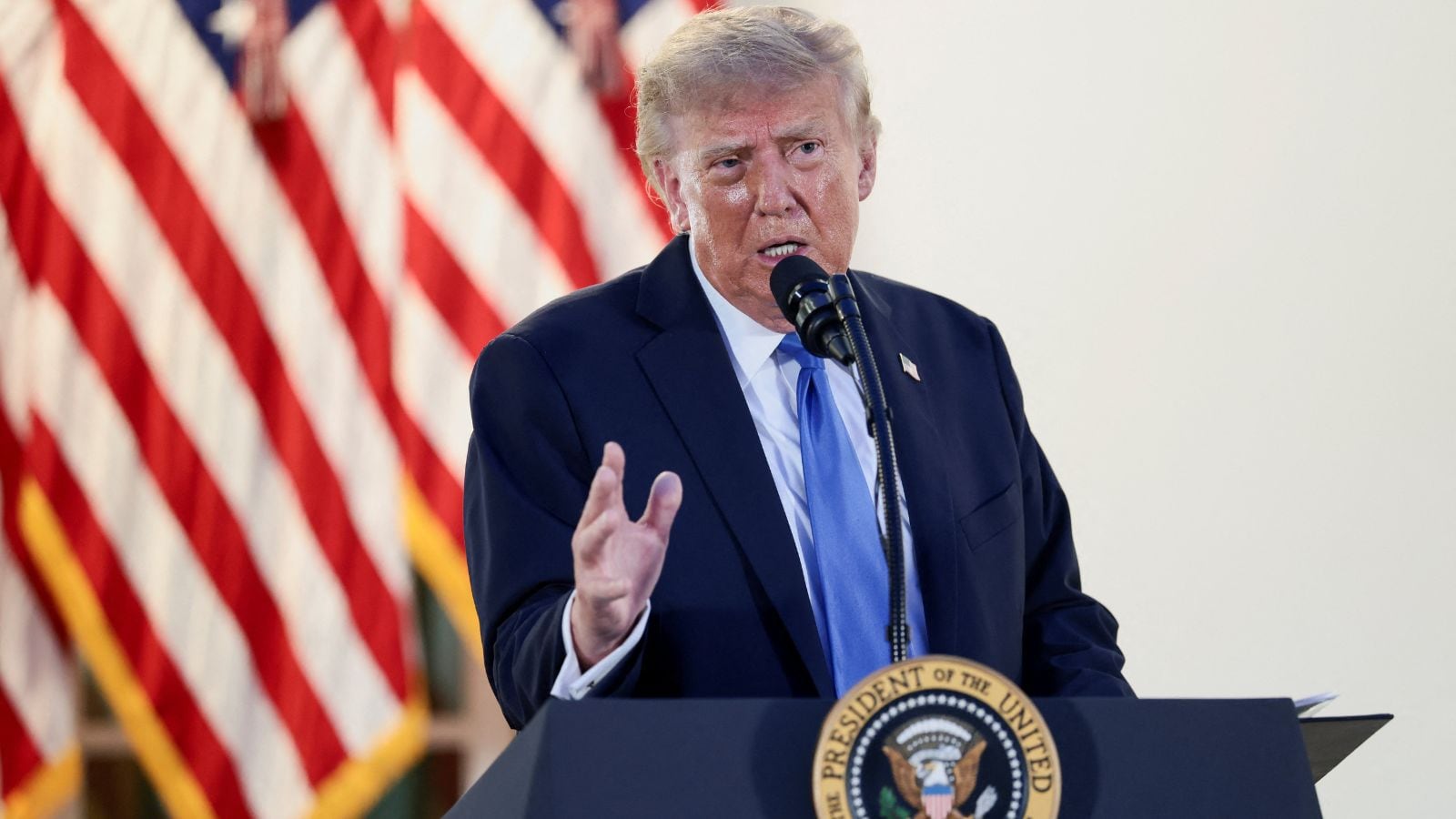
Foreign policy shifts usually happen behind closed doors. This one is airing out in public. Donald Trump wants European nations to write a massive check to the United States to cover past military and financial assistance sent to Ukraine.
It sounds simple. It is anything but simple.
If you are trying to understand what this demand means for transatlantic alliances, defense budgets, and the future of the war, you are looking at a messy intersection of domestic American politics and global security. Let's break down why this is happening, what it would actually take, and why European capitals are sweating.
The Core Demand Explained
Trump's argument centers on burden-sharing. From his perspective, American taxpayers have shelled out tens of billions of dollars to defend a continent that should primarily protect its own backyard. The logic goes like this: Europe faces a direct security threat from Russia, yet the United States has footed the largest share of the bill.
So, what is the fix? Demand retroactive reimbursement.
This is not just about future aid packages. This targets assistance already delivered, tracked, and deployed over the past few years. European leaders heard these warnings during campaign trails, but hearing a campaign promise turn into a concrete policy demand changes the math entirely.
The Financial Reality of Back Payment
Let us look at the numbers. The United States has committed over one hundred billion dollars in military, humanitarian, and financial aid to Ukraine since early 2022. That money went into artillery shells, air defense systems, fuel, and salaries.
Expecting European nations to wire billions of dollars back to the US Treasury faces massive hurdles.
- Most European budgets operate on strict fiscal rules.
- Individual parliaments must approve emergency spending.
- Retroactive billing has zero precedent in modern international military aid agreements.
Germany, France, and the UK have certainly increased their own defense spending. They have sent tanks, missiles, and cash. But asking them to cut a check directly to Washington for past American expenditures treats an alliance like a corporate debtor-creditor relationship. It breaks the traditional framework of mutual defense treaties.
How European Capitals Are Responding
Silence is rare in diplomacy, but the initial reaction from European capitals was a mix of stunned disbelief and quiet scrambling. Officials in Brussels and Berlin are already running simulations. They want to know if this is a serious policy initiative or a negotiating opening shot.
European diplomats usually operate on predictability. They expect predictable aid flows, predictable summits, and predictable communiques. Trump shatters that playbook.
If the White House pushes hard for retroactive payments, European leaders face a brutal political dilemma. Agreeing to pay sets a dangerous precedent where American protection comes with a retroactive price tag. Refusing to pay risks a complete fracture in NATO relations and the sudden withdrawal of American intelligence and military backing.
What Most People Get Wrong About This Strategy
Many political commentators treat this solely as an anti-Ukraine stance. That misses the point. This is an America First leverage play designed to force Europe into absolute self-reliance on defense.
Trump does not necessarily expect a literal bank transfer of one hundred billion dollars tomorrow. Instead, he uses the threat of back payment to force Europe into buying more American-made military hardware, taking over total financial support for Ukraine's eventual reconstruction, and meeting NATO spending targets immediately rather than by 2030 or later.
It is transactional diplomacy at scale.
What Happens Next
The friction between Washington and European allies will only intensify. Watch for emergency summits in Brussels and frantic phone calls between defense ministers. European nations will likely try to appease the administration by rapidly accelerating their own independent aid packages to Kyiv, attempting to prove they are paying their share moving forward so the back-payment demand loses steam.
The era of effortless transatlantic consensus is over. Defense is a business now, and the bill has arrived.