Washington and New Delhi love talking about their natural partnership. They praise their shared democratic values. They brag about their growing defense ties. But behind the diplomatic handshakes, a messy trade war is fracturing the relationship.
Donald Trump's aggressive tariff policies have hit India hard. They aren't just hurting exporters. They are destroying long-term trust.
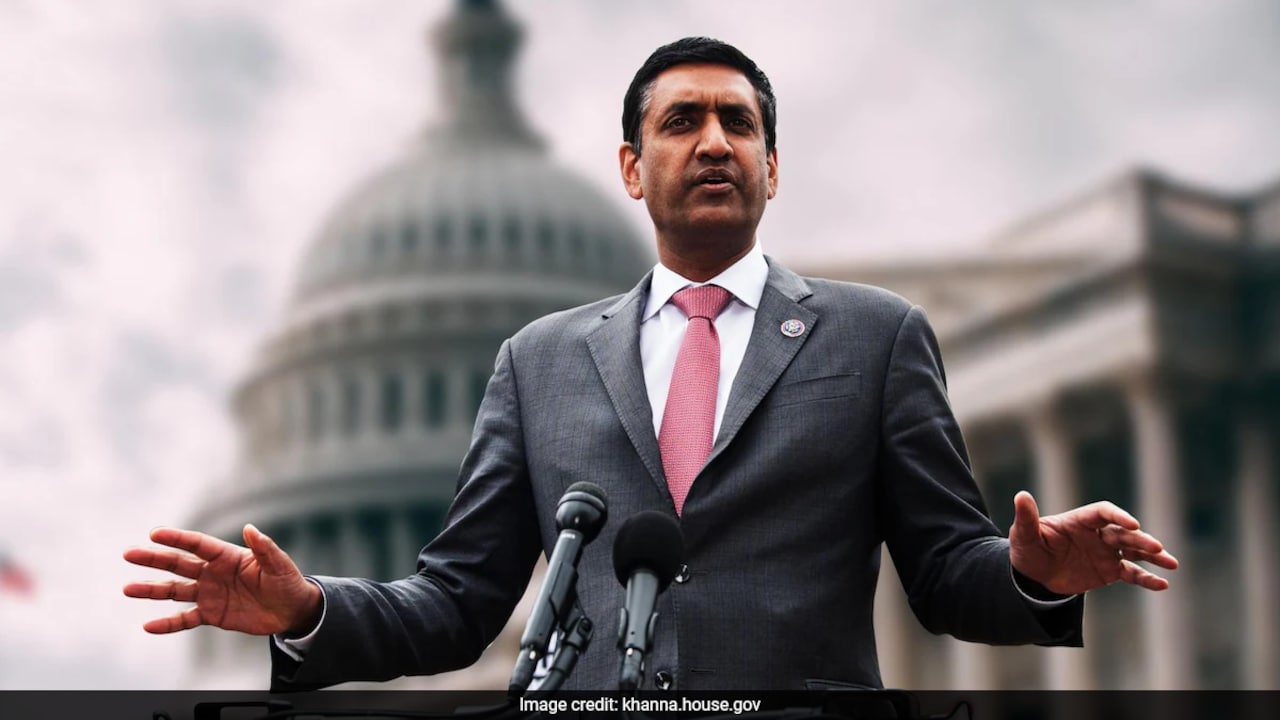
Indian-American Congressman Ro Khanna recently voiced these exact concerns at the USISPF Leadership Summit. Speaking directly to NDTV, Khanna made a blunt assessment. He stated that America's unilateral trade moves and volatile foreign policy have pushed US-India relations to their lowest point in thirty years.
It is a harsh reality check. While officials push for a quick trade deal, the economic damage has already shifted how New Delhi views its partner.
The Shock of Unilateral Economics
Washington used to treat trade as a tool to build strategic partnerships. The Trump administration flipped that script. They treat trade as a zero-sum game.
The administration hit Indian goods with massive tariff increases. Some duties climbed as high as 50 percent. Trump publicly defended these moves. He accused India of taking advantage of American markets for decades through high import taxes.
Recent Tariff Pressure Points:
- Baseline reciprocal tariffs on imports
- Special 25% tariff penalty targeting Russian crude oil purchases
- Total combined tariff burden peaking at 50% on key sectors
This aggressive stance directly threatens India's $17 billion export advantage. It leaves Indian policymakers feeling blindsided.
Khanna points out that this aggressive approach ignores how trade works. Pushing high tariffs on an ally doesn't protect American workers. It just drives up costs for American consumers. Even worse, it makes Washington look erratic. Trust takes decades to build. A few aggressive trade penalties can wipe it out instantly.
How US Foreign Policy Hits Indian Wallets
The economic strain extends far beyond direct tariffs. Washington's sudden international actions are creating major collateral damage for India's economy.
Consider the escalating tensions between the US and Iran. The Trump administration pushed ahead with aggressive actions in the Middle East without consulting key global allies. They ignored Europe, Canada, and India.
The fallout hit India immediately.
India relies heavily on oil imports to fuel its economic engine. When Washington sparked volatility in the Middle East, global energy markets panicked. Crud oil prices jumped.
Indian drivers felt that spike directly at the gas pump. Khanna noted that Indian External Affairs Minister S. Jaishankar could easily confirm how much these unilateral US moves hurt India's domestic energy costs.
Forcing an ally to pay higher fuel costs because of a conflict they didn't support isn't how you keep friends. It shows a complete disregard for India's domestic stability.
Pushing New Delhi Into Rival Arms
Washington’s heavy-handed tactics are creating an unintended consequence. They are pushing India closer to America's biggest global rivals.
India needs a steady supply of cheap energy and reliable defense equipment. When the US imposes punitive tariffs and threatens sanctions over trade, India looks elsewhere to hedge its bets.
New Delhi continues to buy discounted Russian crude oil despite intense pressure from Washington. Trump responded by slapping an extra 25 percent tariff penalty on India specifically for those Russian oil imports.
This creates a dangerous cycle.
- The US punishes India with economic penalties.
- India protects its interests by strengthening trade with Russia and China.
- Washington gets angry and threatens more economic retaliation.
Lawmakers like Khanna warn that this short-sighted strategy backfires on American interests. The US needs India to act as a democratic counterweight to authoritarian regimes in Asia. Treating India like an economic adversary undermines that exact goal. It makes authoritarian alternatives look much more pragmatic.
The Strategy Ahead for Businesses and Policymakers
The era of predictable US-India economic cooperation is over. Companies and trade officials must adapt to a more volatile reality.
If you navigate trade between these two nations, stop waiting for things to go back to normal. They won't. You need to insulate your operations from sudden policy shifts.
Diversify Supply Networks Instantly
Don't rely on a single bilateral supply line. If your business depends heavily on exporting specific goods to the US, look for alternative markets in Europe or Southeast Asia. Treat tariff risks as an immediate operational cost, not a distant possibility.
Lobby Through Local Dynamics
Lawmakers representing districts with large Indian-American populations understand the value of this relationship. Work closely with trade groups to educate US congressional representatives on how tariffs destroy local jobs in American districts. Focus the argument on domestic economic pain, because abstract strategic arguments aren't working in Washington right now.
Watch the Supreme Court Decisions
Keep a very close eye on the US legal landscape. The US Supreme Court previously struck down certain global reciprocal tariffs, forcing the administration to seek alternative legal paths for its trade barriers. Legal loopholes and court rulings will decide the fate of these trade battles just as much as political speeches will.
The US-India relationship isn't dead, but the illusion of an easy partnership is shattered. Washington needs to realize that true alliances require mutual economic respect. Until that happens, expect New Delhi to keep its guard up and its options open.