Washington thought economic pressure would force compliance. When the White House slapped massive duties on South American goods, the goal was political leverage over the sentencing of former leader Jair Bolsonaro. Instead, Trump’s tariff war pushes Brazil’s trade towards China as US share hits record low. It backfired completely. Forcing a proud trade partner into a corner doesn't make them submit. It just makes them find a bigger buyer.
By treating trade as a political weapon, the US effectively handed its largest South American economic partner to its biggest geopolitical rival. Brazil didn't collapse under the weight of the new taxes. They adapted. They rewrote their shipping routes and built deeper connections across the Pacific while American buyers were left footing the bill or scrambling for alternative suppliers.
Why Trump’s Tariff War Pushes Brazil’s Trade Towards China As US Share Hits Record Low
The strategy from Washington was messy from the start. In April 2025, the administration rolled out a baseline 10 percent tariff on global imports, which hit Brazilian products instantly. But things turned hostile in July 2025 when the White House escalated that penalty to an aggressive 50 percent tariff under the International Emergency Economic Powers Act.
The justification wasn't even about trade balances. The US actually enjoyed a multi-billion dollar trade surplus with Brazil over the prior fifteen years. This was purely political retaliation because Brazilian courts sentenced Bolsonaro to prison over a coup plot.
Brasilia refused to buckle. President Luiz Inacio Lula da Silva didn't panic. He looked east. Beijing was already waiting with open arms and an insatiable appetite for commodities. Between August and December 2025, US imports of Brazilian goods plummeted by roughly $3.7 billion. Granite exporters saw their US sales drop off a cliff. Meat and coffee shipments stalled out before getting targeted exemptions later in the year.
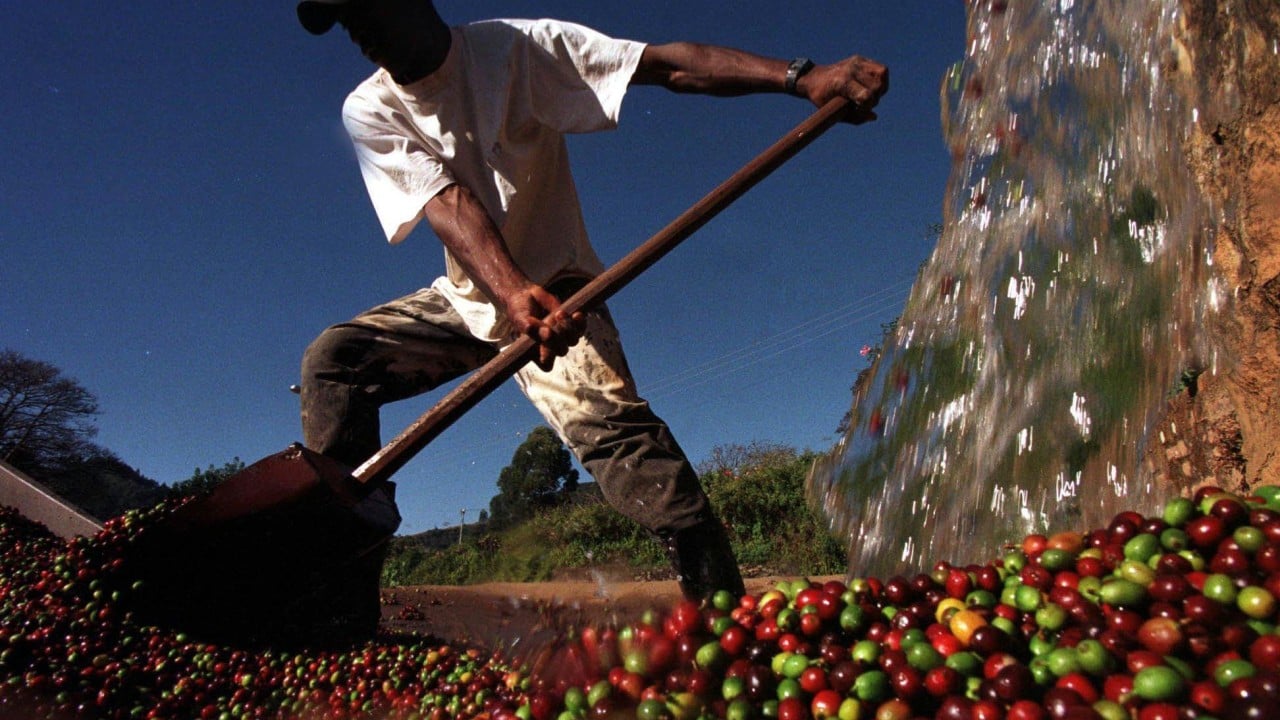
But Brazil ended 2025 with a record-breaking $348.7 billion in total global exports. How? China absorbed the excess. Beijing ramped up its buying of Brazilian grain, beef, and coffee to fill the void left by American protectionism.
The Court Decision That Came Too Late
In early 2026, the US Supreme Court stepped in and struck down the administration's emergency tariffs, forcing the duties back down toward the global 10 percent baseline. Legally, the emergency was over. Economically, the bell couldn't be unrung.
Supply chains don't shift back on a dime. Once a Brazilian agricultural giant signs a multi-year supply contract with a state-backed Chinese buyer, they don't break it just because Washington lawyers changed their minds. The temporary trade barrier created permanent structural changes. American manufacturers who relied on Brazilian pig iron or aluminum oxides had already spent months finding new, often more expensive supply lines. The trust was broken.
Beijing Capitalizes on the American Withdrawal
While American customs agents were busy collecting duties, Chinese state enterprises were investing heavily in South American infrastructure. This isn't just about buying more soy or oil. China is financing the deep-water ports, the rail networks, and the logistics hubs that make shipping from Santos to Shanghai faster and cheaper than ever before.
Chinese buyers intentionally avoided US agricultural products during the height of the friction, doubling down on South American alternatives. This kept Brazilian farms running at full capacity despite losing access to North American ports. By the end of 2025, China locked down 37 percent of Brazil's redirected trade.
American buyers lost their historical edge. For decades, the US was the preferred partner for high-value Brazilian goods and a primary source of direct investment. Now, local executives view the US market as highly volatile and prone to sudden, unpredictable policy swings dictated by social media posts or political whims. China offers something the US currently can't: predictable, long-term commercial appetite.
What Global Supply Chains Must Do Next
Waiting for trade policies to normalize is a losing strategy. Companies operating in this environment need to adjust to a world where regional trade blocks are shifting permanently.
- Diversify your import jurisdictions immediately. If your business relies on specific raw materials like worked granite or specialty agricultural products from Brazil, map out secondary suppliers in nations with stable trade treaties. Do not assume current lower tariff rates will stay low.
- Re-evaluate currency exposure in contracts. With Brazil and China increasingly settling bilateral transactions outside of the US dollar framework, European and American firms need to structure long-term supply agreements with flexible currency clauses to mitigate sudden valuation swings.
- Audit your logistics bottlenecks. The massive Chinese capital flowing into Brazilian ports means shipping lanes to Asia are gaining priority. Expect higher freight costs and potential delays on north-south routes heading into US ports as capacity shifts to satisfy transpacific demand.
The era of predictable Western-centric trade is winding down in South America. The numbers prove it. Businesses that fail to build flexibility into their purchasing networks today will find themselves locked out of critical markets tomorrow.