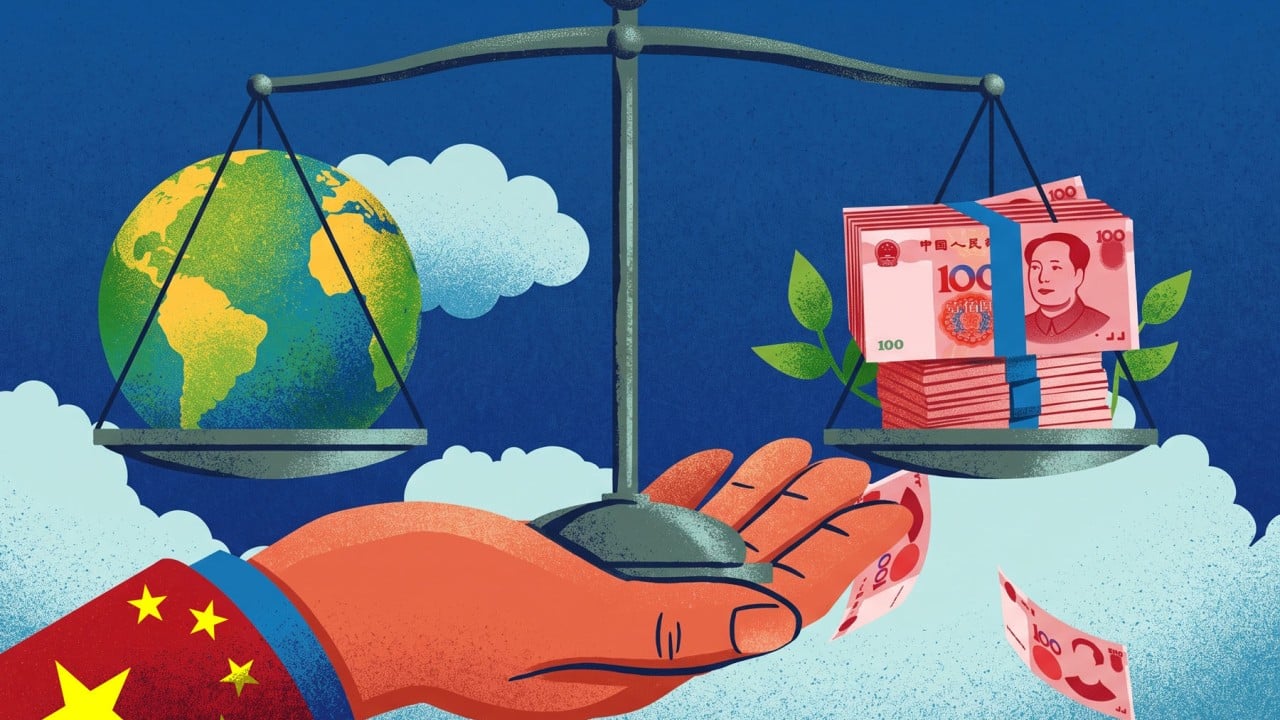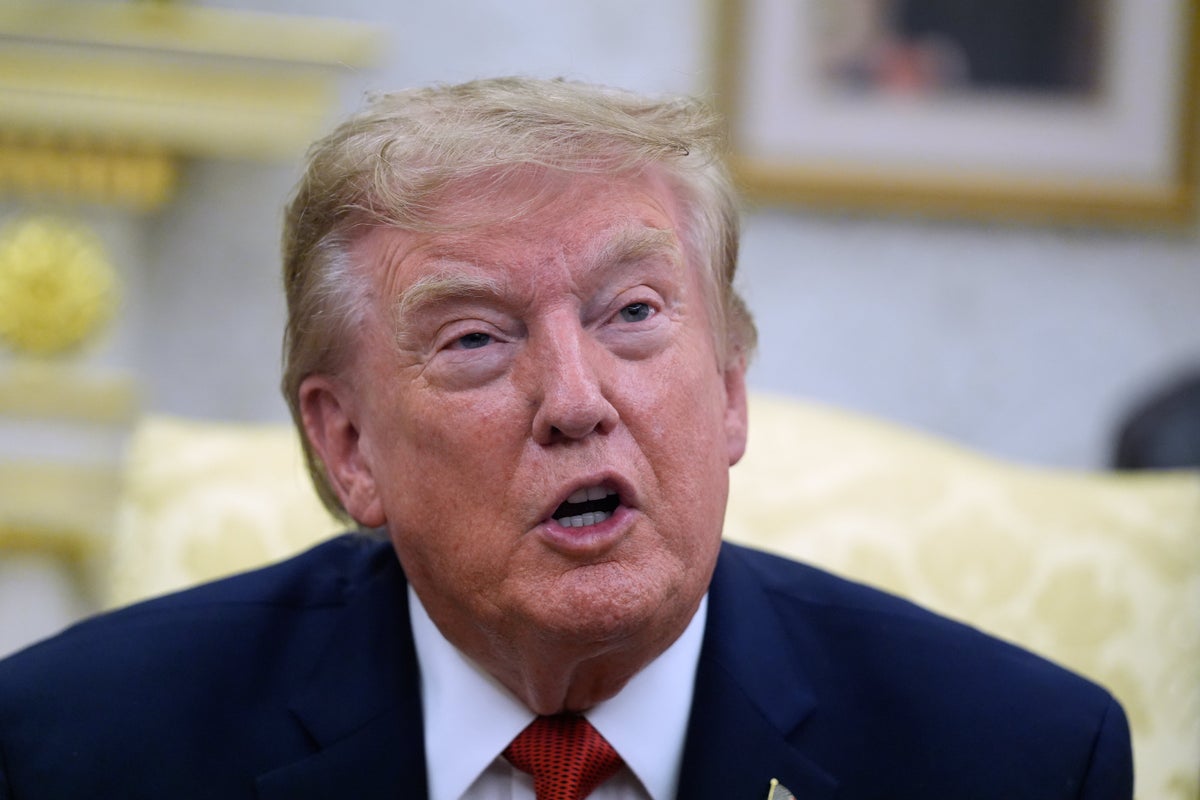
The recent news that Donald Trump’s administration is eyeing a 100% tariff on British goods isn't just political theater. If you’re a business owner or an investor looking at the transatlantic market, you need to pay attention. This isn't some distant diplomatic squabble. It hits your bottom line.
The core of the issue is the UK’s Digital Services Tax. This levy targets big tech giants—think Google, Meta, and Apple—based on their revenue within the UK. The US trade representative, Jamieson Greer, has made it clear: these threats are not a bluff. They want these taxes gone.
Why Big Tech and Digital Taxes Matter
Governments across the world are struggling with how to tax companies that exist everywhere and nowhere at the same time. The UK's two percent levy on digital revenues over £500 million brought in roughly £800 million last year. That’s a significant chunk of change for the Treasury. It’s hard to just walk away from that kind of revenue.
However, the US sees it differently. From their perspective, these taxes specifically discriminate against American firms. They argue that these companies are already paying taxes elsewhere and that these digital levies act as a penalty for being successful, innovative American enterprises. When you have a trade representative explicitly stating that the president is eager to enforce this policy, the risk of a retaliatory tariff is very real.
The Reality of a 100 Percent Tariff
Imagine trying to export your product to the United States and suddenly finding your costs have effectively doubled before you even hit the shelf. That’s what a 100 percent tariff means. It isn’t just a slight increase in overhead. It’s a market-closing weapon.
Small and medium-sized enterprises in the UK that rely heavily on US exports would be decimated if these tariffs were actually triggered. You cannot simply absorb a cost increase of that magnitude. It would force companies to either pull out of the US market entirely or pass those astronomical costs onto American consumers. Neither outcome is good for trade.
The Strategy Behind the Threats
Why would they threaten this if they haven't done it yet? Politics. It’s about creating leverage. By dangling a 100 percent tariff over the UK government, the US administration puts immense pressure on London to blink first. They want a change in policy, and they are using the threat of economic pain to get it.
Canada recently rolled back a similar tax after facing intense pressure. That win emboldened the current US administration. They look at that and see a blueprint. They think if they push hard enough, the UK will eventually cave to avoid the economic fallout of a full-blown trade war.
What This Means for Your Business
If you are currently trading between the UK and the US, you need to prepare for volatility. Hope is not a strategy. You should be looking at supply chain diversification and considering how a sudden shift in trade barriers would affect your pricing models.
- Assess your exposure: How much of your revenue depends on exports to the US?
- Review contracts: Check for force majeure or tariff-related clauses that could protect you if trading conditions change overnight.
- Diversify your markets: Relying on one major export destination is risky when political winds shift.
Don't assume that the current status quo will hold. The trade relationship between the US and the UK has seen better days. With shifting political priorities, the stability we’ve come to expect is under pressure.
Take a hard look at your operations. Protect your margins now. Don't wait until the announcements go from threats to enacted policies. Start planning for a more fragmented trade environment today.