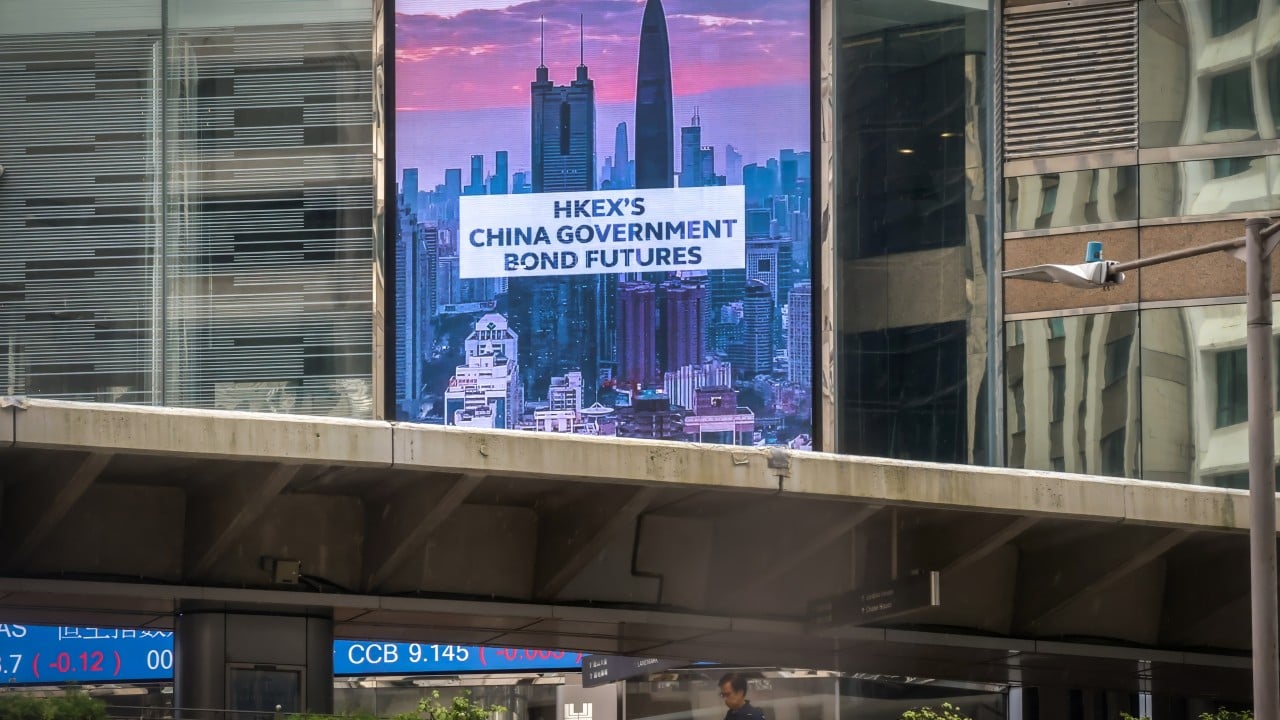
For years, global investors have been piling into Chinese government bonds. They wanted the yield and the diversification. But they were always missing a critical piece of the puzzle: a reliable, offshore way to hedge their interest rate risk. That changed in August 2026. The launch of five-year Chinese government bond futures on the Hong Kong Exchanges and Clearing (HKEX) isn't just another financial product. It’s the missing link for the internationalization of the renminbi.
If you’re a professional investor or a firm managing offshore yuan assets, you know the drill. You’ve used Bond Connect to buy the bonds. Maybe you’ve even dabbled in Swap Connect for interest rate protection. But those are over-the-counter tools. They lack the speed, the exchange-traded transparency, and the liquidity that futures provide. This new contract changes how you’ll approach Chinese fixed income.
The Problem with Being Halfway In
Mainland China’s bond market is massive—the second largest in the world. Yet, for the longest time, foreign institutional players felt like guests who weren't allowed to use the full suite of amenities. You could buy the debt, but managing the duration risk was an awkward, often expensive dance involving onshore access or proxy hedges.
Think about it. If you hold a significant position in five-year Chinese Treasuries and you're worried about rising rates, what do you do? You don't want to dump your bonds. You don't want to navigate the regulatory friction of jumping into the onshore futures market if you aren't already set up there. You need a tool that speaks your language and sits in your existing infrastructure.
That is exactly what this HKEX contract provides. It’s cash-settled. It’s denominated in offshore yuan. And it clears exactly like the other derivatives you already trade in Hong Kong. It basically brings the mainland’s risk-management capabilities to your front door.
Why This Matters for the Yuan
Internationalization isn't just about trade invoicing. It’s about creating a robust, deep ecosystem where the currency functions as a reliable store of value. For that to happen, you need liquid markets.
When you have a transparent, exchange-traded futures market, you get better price discovery. You reduce the "risk premium" that international investors often bake into their Chinese assets simply because they can't hedge them properly. By lowering that friction, Hong Kong isn't just offering a new product—it's signaling to global asset managers, pension funds, and central banks that the renminbi is ready for the big leagues.
The data supports this. Foreign holdings of Chinese government bonds grew from around 0.8 trillion yuan in 2017 to over 2 trillion yuan by mid-2026. As that number climbs, the demand for hedging tools doesn't just grow—it explodes. The arrival of these futures is the logical evolution of a market that’s matured faster than most skeptics predicted.
The Mechanics That Actually Count
Don’t get distracted by the marketing hype. Let’s look at why this works. The contract uses a bond-basket-based pricing methodology. It tracks the most liquid bonds. Because it resets as market conditions shift, it stays relevant.
If you’ve traded futures in Chicago or Singapore, the workflow here will feel familiar. It’s built to plug into your existing execution management system. That’s a big deal. The administrative burden of adding new assets is often what keeps firms from entering a new market. By making the infrastructure feel like "business as usual," HKEX is lowering the barrier to entry for the next wave of global capital.
Common Misconceptions
There’s a lot of chatter about whether this will replace onshore hedging. It won't. That’s not the point. The onshore market is the primary source of truth, and domestic participants have their own needs. This offshore contract is a specialized instrument for the international community.
Some also worry about liquidity. It's a fair point. Any new derivative takes time to find its rhythm. But watch the arbitrageurs. As soon as there's a disconnect between the cash bonds and these futures, the market makers will move in to close the gap. That activity—the "cash-and-carry" trades and the duration management—will inject the liquidity that everyone is waiting for.
What You Should Do Now
If you’re sitting on a pile of Chinese sovereign debt or considering an allocation, you need to stop treating these assets as a "buy and hold" risk-free proposition.
- Review your duration risk. Identify exactly how much of your portfolio is exposed to Chinese interest rate movements.
- Audit your current hedging costs. Compare the execution cost of your current swaps against the implied cost of these new futures contracts.
- Test the execution. Don't just read about the contract. Put a small, representative position through the system to see how it interacts with your existing workflows.
The goal here isn't to speculate on the future. It’s to manage your existing exposure with the same precision you’d apply to US Treasuries or Bunds. The tools are finally on the table. Use them.