Donald Trump just threw a wrench into one of the most stable military partnerships in the Pacific. By ordering the Pentagon to slash joint military exercises with South Korea, he’s signaled a massive shift in how the U.S. treats its traditional allies. He’s essentially punishing Seoul for refusing to jump into his war in Iran while simultaneously giving a nod to Kim Jong Un.
If you think this is just standard posturing, you’re missing the bigger picture. Also making news recently: Why The Zamboanga High School Shooting Is A Wake Up Call We Cannot Ignore.
Why the Military Drills Actually Matter
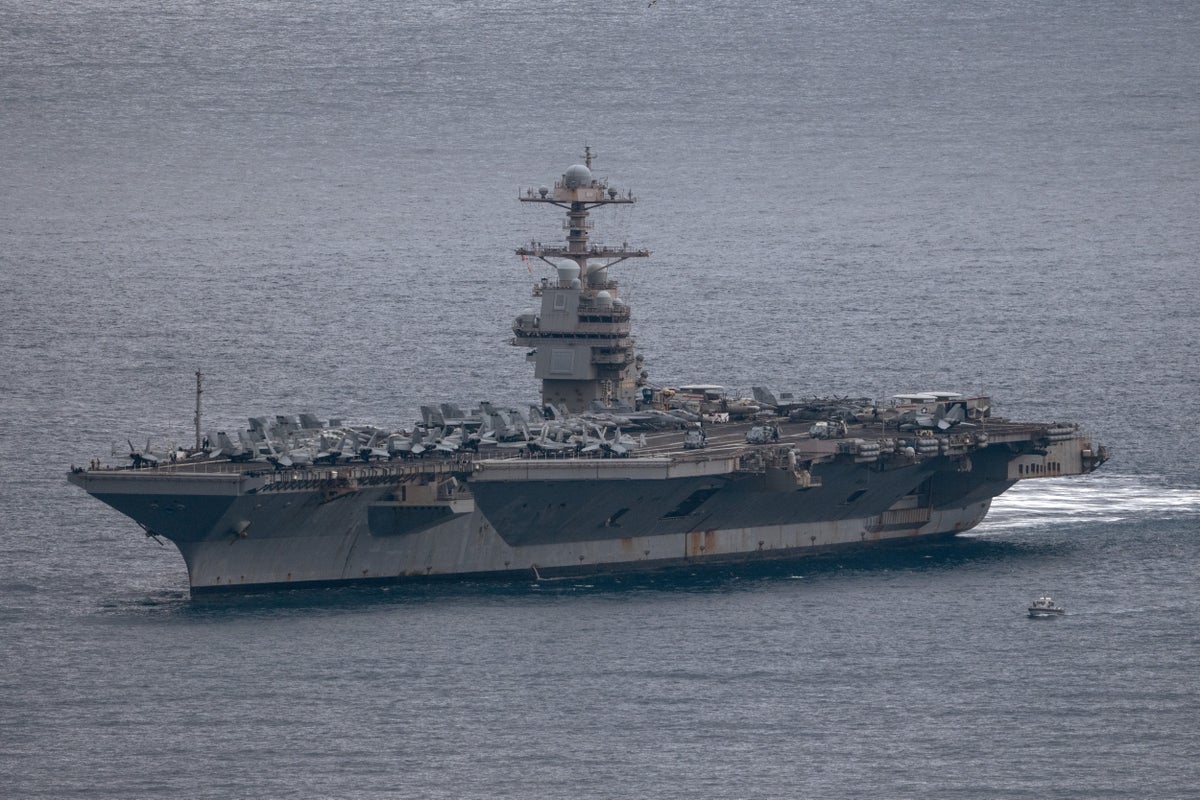
These aren't just expensive photo ops. The Ulchi Freedom Shield exercises, which kicked off this week, involve nearly 18,000 South Korean troops. They are designed to ensure that if a real crisis hits—say, a sudden escalation from the North—American and South Korean forces can communicate, move, and fight as a single unit.
When you strip these exercises down, you’re not just saving money. You’re leaving gaps in readiness. You’re making the "deterrence" that keeps the peninsula quiet look like a hollow promise. North Korea knows this. They’ve spent years framing these drills as "rehearsals for war" because they know that joint training is exactly what makes the U.S.-ROK alliance a credible threat. By calling them "inappropriate and hostile," Trump is adopting the very narrative Pyongyang has used for decades. Further insights into this topic are explored by Wikipedia.
The Transactional Trap
Trump’s logic here is blunt. He views global security as a protection racket. He feels that because Seoul said "no thanks" to joining his effort to denuclearize Iran, they aren't paying their dues. He’s said as much. He claims South Korea isn't "helping" on a military operation elsewhere, so he’s hitting them where it hurts—their own national security.
This is a dangerous way to run a superpower. Alliances aren't supposed to be tit-for-tat service agreements. They are built on shared interests and the cold, hard reality that a war in Asia affects everyone. When the U.S. President treats a regional defense pact like a business deal that fell through, it makes other allies nervous. Why would Japan or Taiwan trust that a promise of protection will hold if they don't agree with every U.S. policy whim?
The Nuclear Ambition in the Room
There’s a silent, growing concern that this move is actually pushing South Korea toward a point of no return. You don't have to look hard to find the trend: more South Koreans are openly discussing the need for their own independent nuclear deterrent.
If they can't count on the American umbrella because the person holding it is busy making deals with the person trying to kill them, they’ll look for their own shield. Experts like Matthew Kroenig have pointed out that scaling back these exercises undermines the very message the U.S. has spent years building: that Seoul is safe under the American wing. If that message dies, the nuclear arms race in Asia effectively begins.
What Happens Next
Trump is notoriously unpredictable. This could be a fleeting social media temper tantrum that never manifests into a real policy change, or it could be the beginning of a total pivot in U.S. Indo-Pacific strategy. Secretary of War Pete Hegseth is now in the hot seat to implement these cuts, but the execution remains unclear.
For now, the message is chilling. It tells our allies that their security is secondary to the personal "respect" of a dictator and the petty grievances of a president. If you’re a policy watcher, stop waiting for a coherent long-term strategy. Watch the troop movements and the specific technical scope of the exercises that are left standing. That will tell you the real story.
The alliance isn't broken yet, but it’s certainly shaking. If the U.S. continues to signal that it’s looking for the exit, don't be surprised when our partners start looking for new friends—or, in the worst-case scenario, their own weapons.