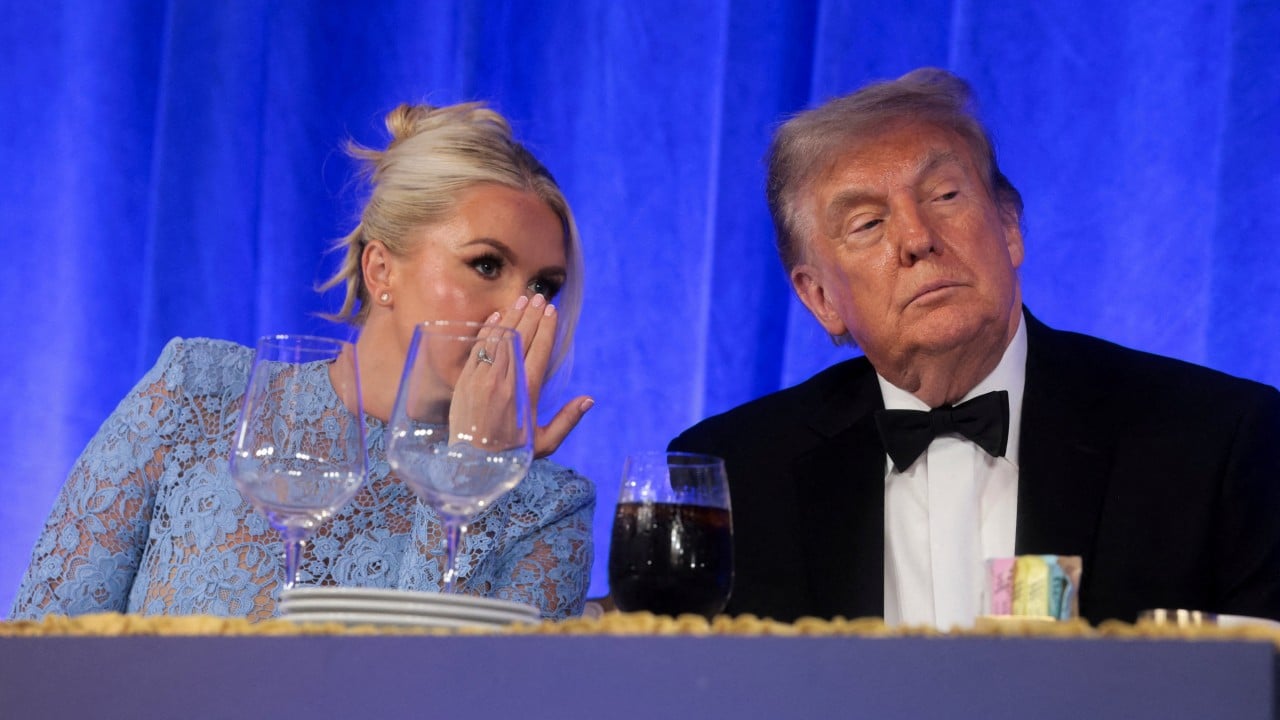
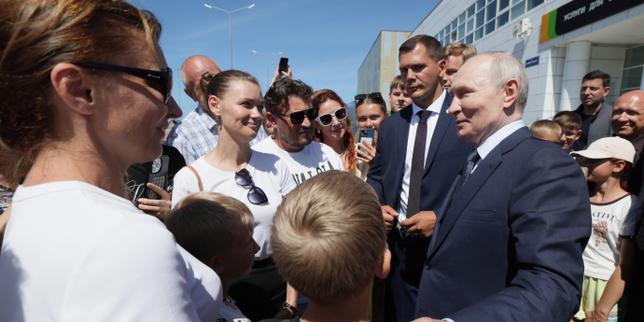
Donald Trump doesn’t like a stalemate. When his heavy-handed strategy toward Iran hit a wall—draining military stockpiles and dragging the country into a messy regional conflict—he didn’t double down on traditional diplomacy. He looked for a familiar name in his contacts list. He turned to Kim Jong-un.
It’s a classic Trumpian pivot. If you’re struggling to manage the nuclear aspirations of one regime in the Middle East, why not revisit the theatrics of the one that already gave you a front-row seat to "denuclearization" discussions? But let’s be clear: this isn't just about nostalgia for the Singapore summit. It’s a calculated, if erratic, attempt to regain the upper hand in a global arena where his previous gambles are starting to cost him at home.
The Strategy Behind the Outreach
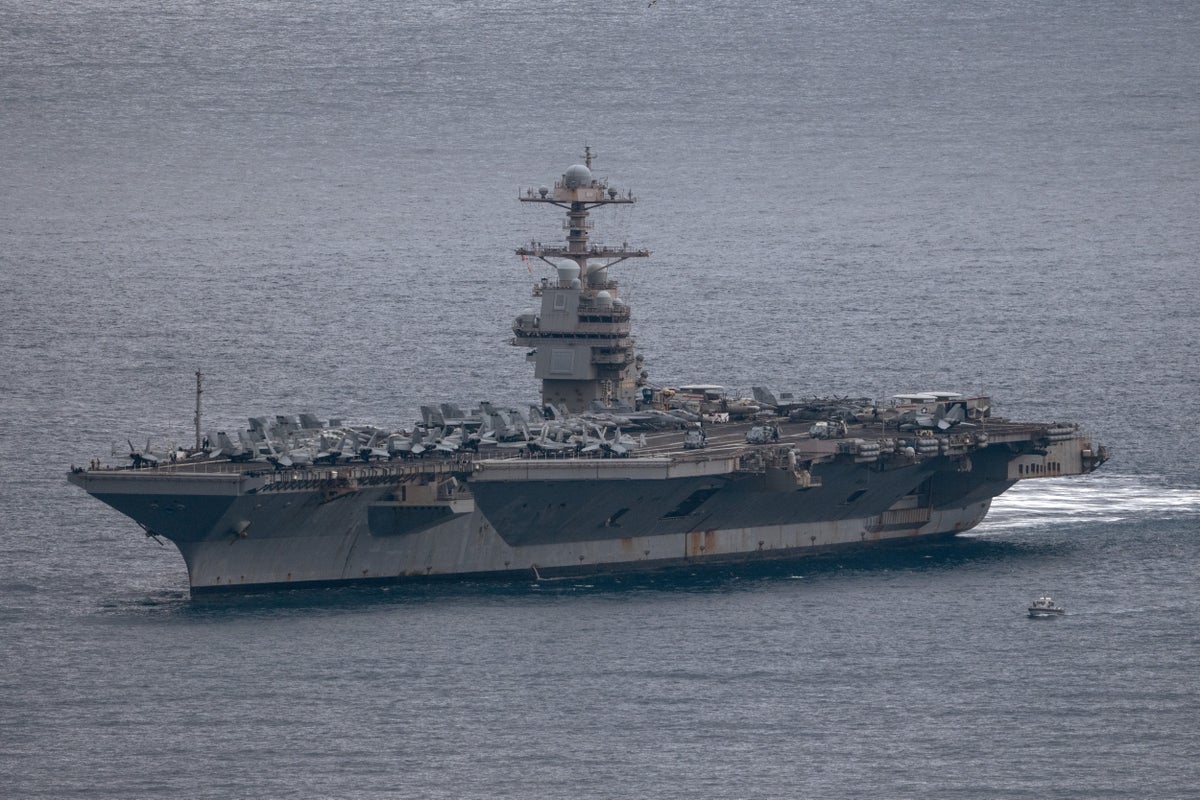
Why revisit North Korea now? Look at the numbers. The conflict with Iran has been expensive. It’s hit the U.S. missile inventory hard and turned the Strait of Hormuz into a volatile choke point that’s jacking up prices for American families. When South Korea declined to jump into the fray against Iran, Trump didn’t just shrug. He responded by cutting back joint military exercises in the Pacific.
It’s a direct message to Seoul. If you aren’t going to help me in the Middle East, I’m not going to maintain your security blankets in Asia.
Trump is framing this as a “safer” approach to the Korean Peninsula. By truncating those war games, he claims he’s de-escalating tensions. But he’s also signaling to Kim that the door for another flashy, low-stakes summit is wide open. For Kim, this is gold. He’s spent years building up his nuclear arsenal while Russia effectively crippled the United Nations' ability to enforce sanctions. He doesn’t need to denuclearize; he just needs to keep Trump engaged.
What Kim Actually Gains
Most people miss the point of these summits. They think it’s about weapons programs. It isn’t.
For Kim, another photo op with a sitting American president is the ultimate validation. It cements his status as a legitimate nuclear-armed peer on the global stage. He’s already seen what happened with the Iran negotiations—a messy, ongoing saga of "memorandums" and fragile ceasefires. Pyongyang is watching. They know the U.S. administration is currently in a "post-diplomacy" phase where grand, empty statements are the primary currency.
Kim is playing a long game. He doesn’t need to surrender a single warhead to win here. He just needs to show the world that he has the American president’s ear. It’s a status play, and honestly, he’s winning it.
The Real Cost of the Pivot
You have to ask yourself what happens to the allies who actually depend on us. By linking the survival of the South Korea alliance to their willingness to join a Middle Eastern conflict, Trump is creating a bizarre, interconnected web of risk.
Think about the precedent. If we treat our security commitments in the Pacific as bargaining chips in our disputes with Tehran, we aren’t just "making deals." We’re destabilizing a whole region to cover up for a lack of success in another.
Here’s the reality:
- Resource Scarcity: We’ve burned through massive amounts of munitions in the Iran conflict. We don't have the luxury of being everywhere at once.
- Allied Frustration: Seoul knows exactly what the cost of this "pivot" is. Their skepticism of U.S. reliability is at an all-time high.
- The Nuclear Reality: None of this talk—whether in France at the G7 or in the Oval Office—has actually reduced the number of nuclear warheads held by Iran or North Korea.
Moving Forward
If you’re watching these headlines, stop looking for a "breakthrough." That’s not the play. Trump is looking for a win that he can sell to voters before the next cycle hits. A summit, a handshake, or even a vague letter from Pyongyang provides a "positive" headline.
Don't mistake the theater for actual policy. The real risk isn't that diplomacy fails; the risk is that we trade our long-term security in Asia for a short-term distraction in the Middle East. If you want to understand where this is heading, watch the Pentagon’s budget and the status of those suspended military drills. That’s where the truth lives. Everything else is just noise.
We’re in a period of intense transactional politics. Expect more of this. Expect more surprises. And definitely don't expect a permanent solution to the nuclear threats we’re facing. Focus on the tangible moves—the troop movements, the supply chain shifts, and the quiet reassessments by our allies. That’s where the real story is playing out.