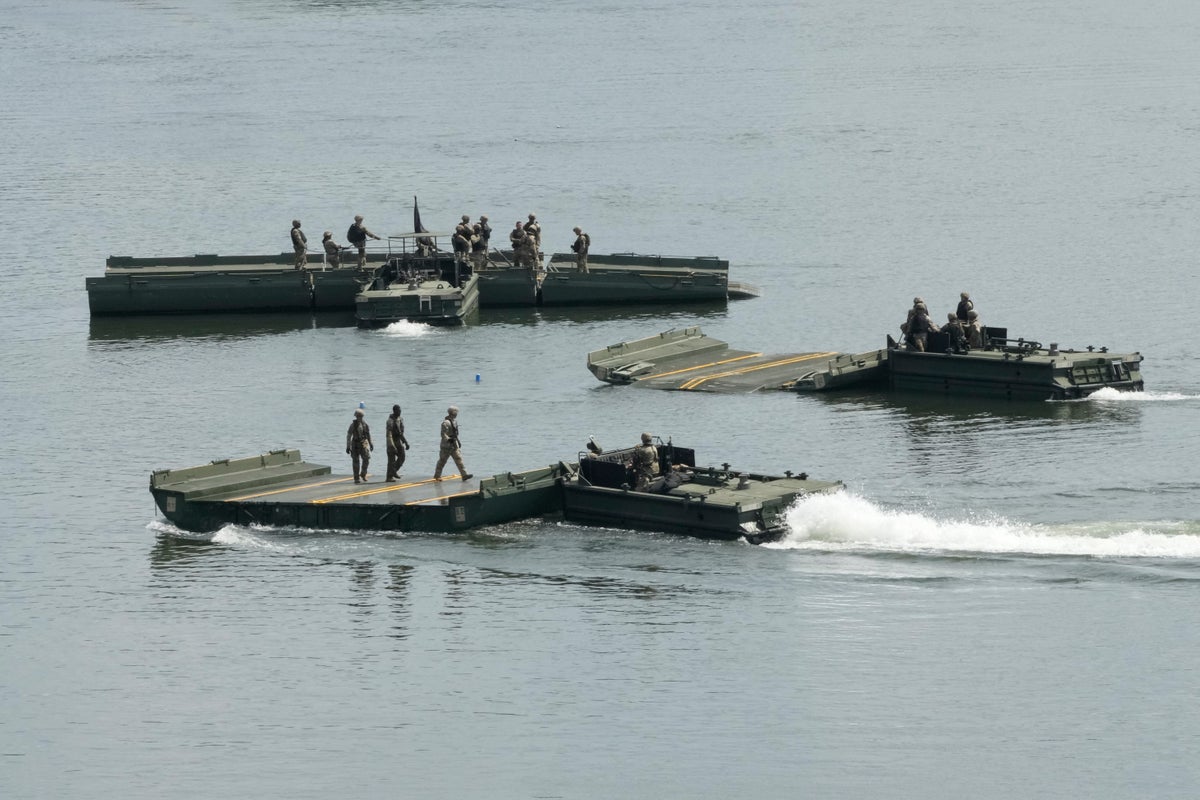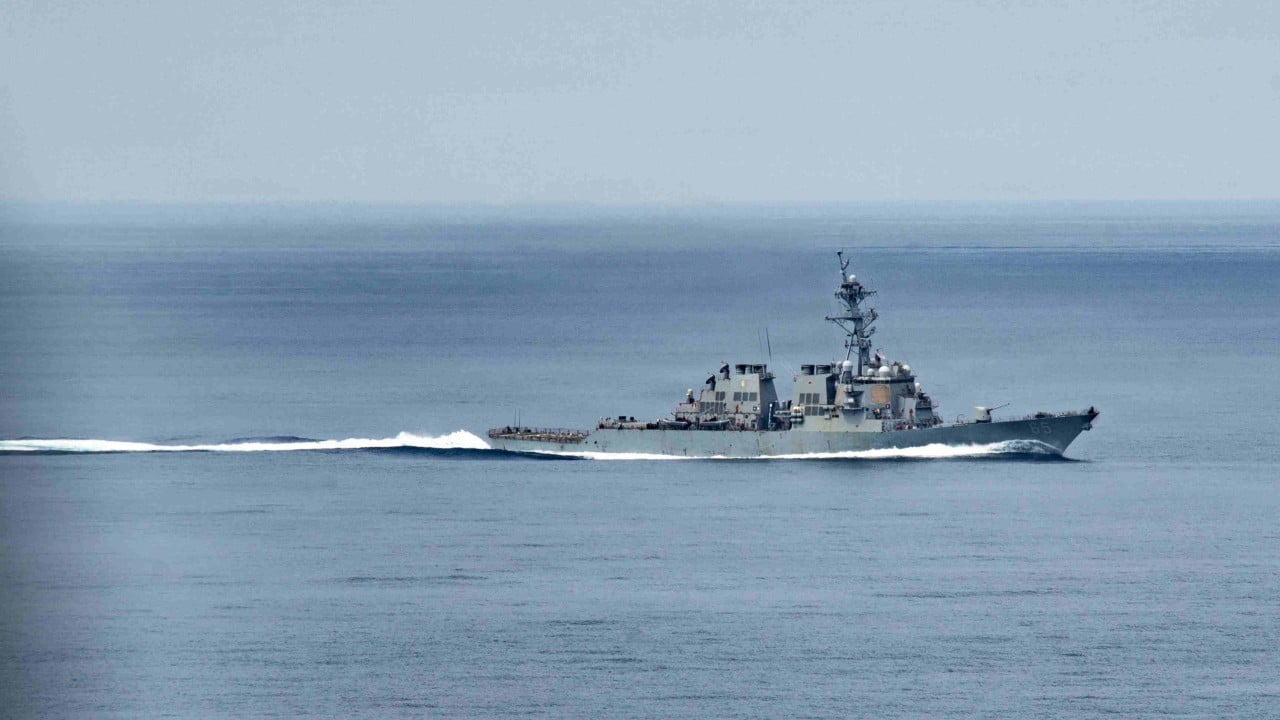
President Donald Trump’s decision to gut the annual Ulchi Freedom Shield military exercises with South Korea isn't just a change in schedule. It’s a massive, high-stakes gamble on personal diplomacy that ignores the shifting reality of the Korean Peninsula. By ordering the Pentagon to "substantially reduce" the joint drills that started this week, the White House is betting that a little less muscle will win Kim Jong Un over.
History suggests that’s a losing hand.
The flawed logic of goodwill gestures
The core argument coming from the administration is simple: the drills are "hostile" and "costly," and scaling them back will signal openness to Kim. Trump is betting that his self-described "good relationship" with the North Korean leader can override years of entrenched geopolitical tension.
But look at the evidence. North Korea hasn't actually softened its stance. In fact, state media in Pyongyang just slammed the remaining, scaled-back drills as "frantic" and "extremely dangerous." Kim is a rational actor playing a long game. He knows that these exercises are the bedrock of the U.S.-South Korean alliance. When you start pulling out bricks, the entire wall gets shaky.
Why Kim Jong Un isn't leaving China’s orbit
The idea that Trump can "woo" Kim away from Beijing with a few fewer live-fire exercises is detached from reality. North Korea’s alignment with China—and increasingly, its deepening military cooperation with Russia—is about survival and leverage.
Kim isn't looking for a casual friendship. He’s looking for security guarantees and economic relief that he can count on, regardless of who sits in the Oval Office. China offers him a permanent buffer against Western influence. That's a structural advantage he isn't going to trade for the promise of a summit or a handshake, especially when he’s currently gaining real-world battlefield insights from the ongoing conflict in Ukraine.
The readiness gap is real
Military analysts aren't just clutching their pearls for the sake of it. The Ulchi Freedom Shield exercises are complex. They involve thousands of troops, naval assets, and coordinated air power. When you pivot to computer simulations to save cash or satisfy a political whim, you lose the "muscle memory" that makes a military alliance work.
Commanders rotate out of the region constantly. Without regular field training, the ability to integrate U.S. air power with South Korean ground forces degrades fast. If a crisis happens, you don't want to be testing your coordination for the first time in a real-world scenario. You want it to be second nature.
The regional fallout
This move has ripple effects that go far beyond Seoul.
- Taiwan is watching. If the U.S. is willing to sideline a treaty ally like South Korea because the President feels "dissed" by their policy on Iran, the message to Taipei is unsettling.
- Japan is uneasy. Tokyo relies on a cohesive U.S. presence in the region to counter aggression. A shrinking American footprint makes that harder.
- The alliance is brittle. South Korean officials are publicly trying to maintain a brave face, but privately, this creates massive friction. It forces Seoul to wonder if the U.S. security umbrella is actually as "ironclad" as Washington claims.
What happens next
Expect North Korea to continue testing its ballistic missile program. They’ve done it before, and they’ll do it again regardless of whether the U.S. holds 11 days of drills or five. Kim views these moments as opportunities to test the limits of his adversaries.
If you're looking for where this goes, watch for the next "diplomatic breakthrough" announcement from the White House. It will likely come with a price tag—sanctions relief or concessions that weaken the non-proliferation framework.
The strategy of "transactional peace" has been tried repeatedly. It usually ends the same way: an emboldened Pyongyang, a frustrated Seoul, and an increasingly isolated U.S. presence in East Asia. If the goal is to drive a wedge between Kim and Beijing, this isn't the way to do it. It’s just giving everyone else in the region a reason to start looking out for themselves.
This video provides a direct look at the military and political tensions surrounding the decision to scale back joint exercises in the region.
http://googleusercontent.com/youtube_content/1