A peaceful residential street in Bochum became the center of an unspeakable tragedy. Three young Indian nationals lost their lives in a devastating building fire, and local authorities have already made a high-profile arrest. When you look past the standard news alerts, the reality of what happened in Germany's Hofstede district is grim, sudden, and heartbreaking.
Let's break down what actually occurred.
The Incident in Bochum
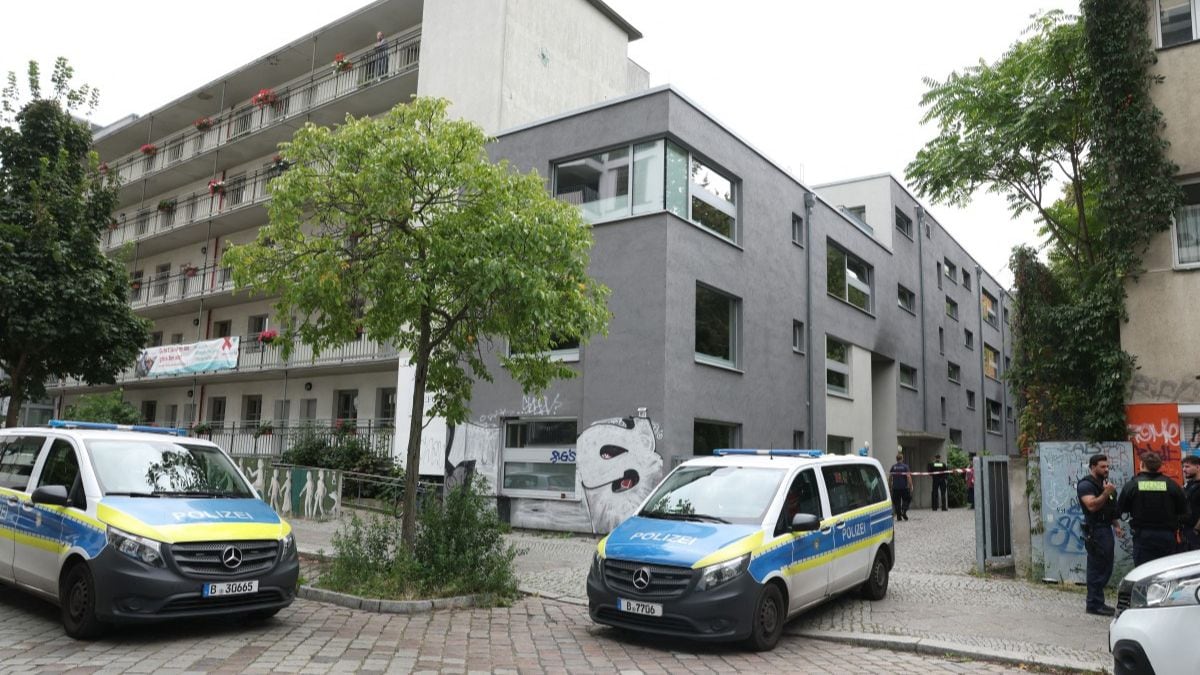
Emergency services rushed to a multi-family residential building in Bochum early on a Tuesday following reports of a severe blaze. Firefighters fought through thick smoke and intense heat to reach the upper levels of the structure. Inside a second-floor apartment, they made a grim discovery. Three individuals were found dead.
Local reports and police investigations confirmed the victims were Indian nationals. Two young women, aged 25 and 27, alongside a 26-year-old man, succumbed to smoke inhalation and burn injuries before rescue crews could extract them. Five other residents sustained smoke inhalation injuries and were rushed to regional hospitals in Bochum for immediate medical treatment. The nationalities of these surviving injured individuals remain unconfirmed by local authorities.
This isn't just a localized housing accident. It has triggered international concern, prompting diplomatic channels and expatriate networks to seek answers.
The Arrest and Criminal Suspicions
Fires in multi-family dwellings are terrifyingly common, but this one quickly shifted from an accidental hazard to a criminal investigation. German police didn't treat the blaze as a routine structural failure. Within hours of extinguishing the flames, investigators detained a suspect.
A 41-year-old Romanian national, who resided in the very same building, was arrested by local police. Authorities have placed him under formal suspicion of murder. Investigators are tight-lipped about the exact motive, but forensic teams have spent days scouring the charred apartment complex for accelerants, structural tampering evidence, and witness testimonies.
When a neighbor is accused of turning a residential building into a death trap, it shatters the illusion of safety that expatriates and students rely on when moving abroad.
The Vulnerability of Expatriates Abroad
Moving thousands of miles away for work or university comes with hidden costs. You trade familiar safety nets for bureaucratic uncertainty, language barriers, and unfamiliar housing markets. Thousands of Indian students and professionals move to Germany every year, drawn by engineering programs, tech hubs, and career prospects.
Incidents like the Bochum fire send shockwaves through the global diaspora. Families back home in India spend anxious days trying to verify if their children are safe, relying on fragmented reports from local German media and embassy updates. The emotional toll on the wider Indian student community in North Rhine-Westphalia is immense.
People don't talk enough about the mental strain of living in older European housing stock, where fire safety retrofits can lag behind modern standards, or how isolated international workers can become when local community ties are weak.
Next Steps for Safety and Support
If you or someone you know is living abroad in shared housing or multi-family apartments across Europe, take a moment to review basic safety protocols. Do not treat them as administrative boilerplate.
- Check every exit route: Know two ways out of your apartment building immediately upon moving in.
- Verify smoke alarms: Ensure working smoke detectors are installed in every bedroom and hallway. In many rental units, landlords are legally required to provide them, but maintenance is up to the tenant.
- Keep emergency numbers saved: Program local police, fire, and ambulance numbers into your phone alongside your country's embassy or consulate emergency hotline.
- Build local community links: Stay connected with local student associations or Indian diaspora groups who can mobilize support, translation help, and emergency aid when crises strike.
The investigation in Bochum is ongoing. As German prosecutors piece together the final moments of that tragic morning, three young lives are gone, and a community is left picking up the pieces.