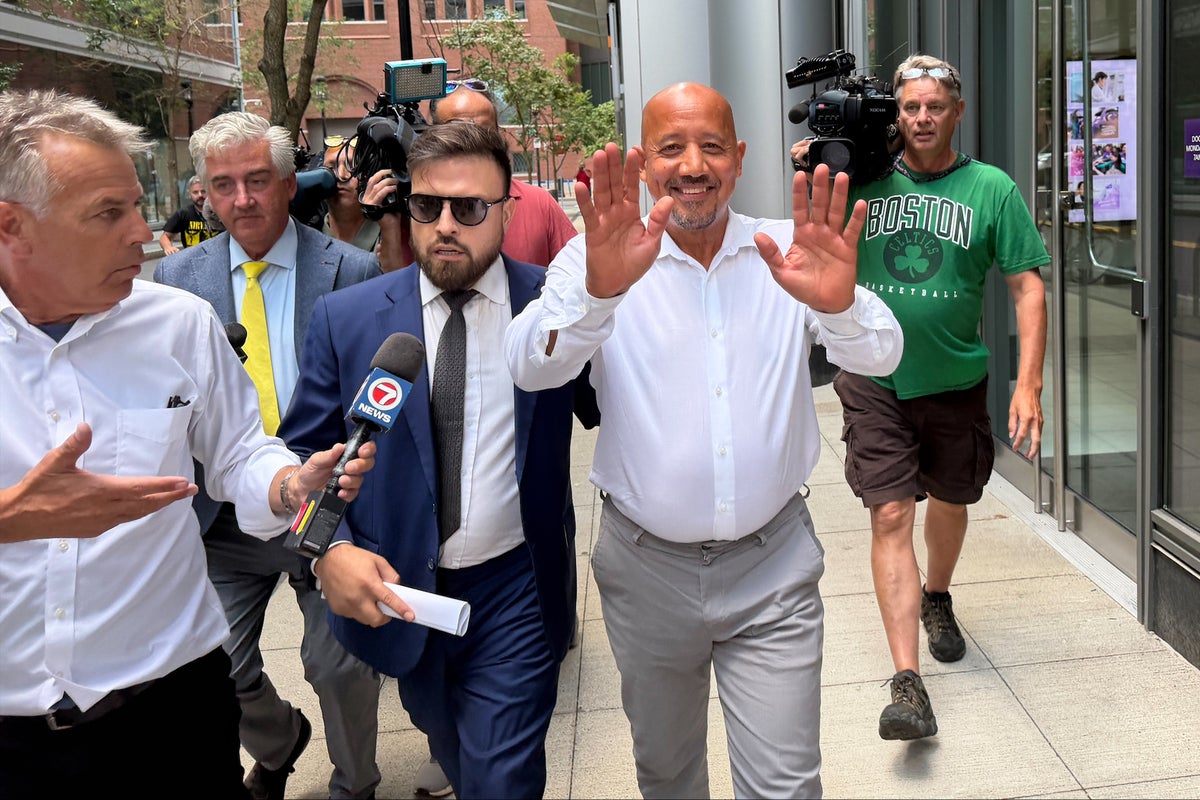
Federal agents didn't hesitate when they walked up to arrest Lawrence Mayor Brian DePena. The 61-year-old politician thought pandemic relief funds were a personal piggy bank. He was wrong.
According to federal prosecutors in Boston, DePena secured over $1.5 million in COVID-19 small-business loans meant for struggling shops. Instead of saving his auto tire business from economic ruin, federal investigators say he funneled hundreds of thousands of dollars into private real estate debts, personal tax bills, and his own mayoral campaign.
It is a mess. And it exposes deep flaws in how emergency federal cash was distributed during a global crisis.
How the Scheme Unraveled
Back in June 2020, Tenares Tire Services Inc. received an initial Economic Injury Disaster Loan (EIDL) of $150,000. That part looked normal on paper. Small businesses across America were scrambling for survival lines, and the Small Business Administration was moving at lightning speed to push out cash.
Trouble started brewing by early 2021. DePena had purchased a commercial property at 342 Broadway in Lawrence for $700,000. He also owed roughly $900,000 to private, high-interest lenders charging rates up to 12 percent. His mayoral campaign account needed a pulse, and his personal taxes were piling up.
Desperate times call for desperate measures, or in this case, criminal charges.
Court documents show DePena texting his financial advisor in a panic. "Brother, call me, I'm in trouble. I don't want to pressure you, but I don't have time to wait for this loan. I'm in your hands," he wrote.
He eventually secured another massive tranche of EIDL money. Prosecutors state that once a massive $1.15 million lump sum hit the tire shop account on November 30, 2021, DePena transferred the entire sum to a personal account that previously held just $1,401.
Where the Money Actually Went
The Department of Justice laid out specific numbers in the indictment. Federal authorities tracked the cash trail directly to personal and political expenses:
- Over $880,000 went toward paying off high-interest, hard-money mortgages on properties he owned in Lawrence.
- Tens of thousands of dollars cleared his overdue personal tax liabilities.
- Roughly $90,000 directly padded his political campaign funds. In one instance, a check was written to rescue the campaign account from being overdrawn for nearly three weeks.
Federal agencies like the FBI, the IRS Criminal Investigation division, and the Department of Labor Office of Inspector General teamed up for the takedown. Special Agent in Charge Ted Docks didn't mince words during the press briefing. He pointed out that cashing in on a public health crisis breaks the fundamental trust between an elected official and the public.
The Fallout in Lawrence
DePena made his initial appearance in a federal courtroom in Boston. Released under strict conditions—including handing over his passport and taking a ban on seeking new loans without judicial approval—he faced reporters outside. When asked if he would step down from office, he offered a brief "God bless" and refused to answer questions. His defense attorney relied strictly on a "no comment" stance.
The charges carry serious weight. DePena faces one count of wire fraud and one count of money laundering. Wire fraud alone carries up to 20 years in federal prison per count, while money laundering adds another potential 10 years.
This arrest serves as a harsh warning to other municipal figures who treat government treasuries like personal slush funds. Emergency funds left wide open during the pandemic era are still being audited, tracked, and scrutinized line by line. Investigators are looking backward, and the statute of limitations hasn't saved anyone yet.
Accountability is finally catching up to the check-writers who abused the system.