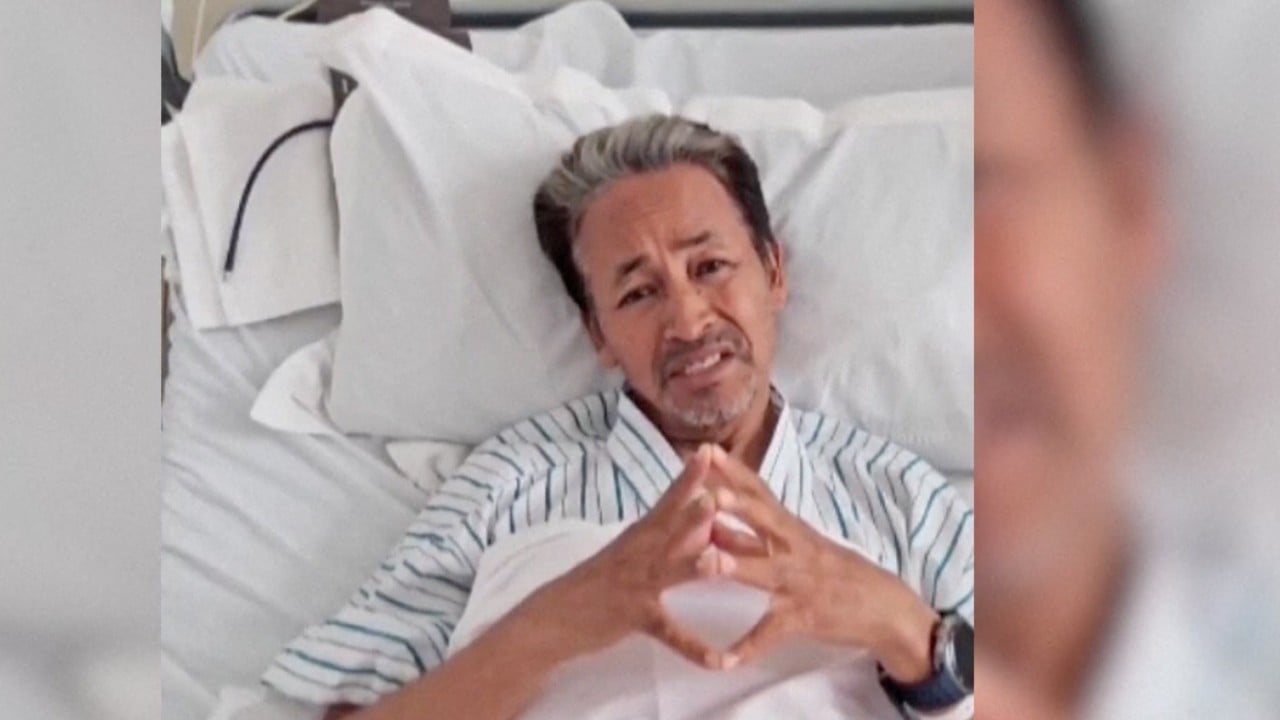
When Sonam Wangchuk broke his 26-day hunger strike at Gurugram’s Medanta Hospital on July 23, 2026, a lot of casual observers assumed the whole movement was wrapping up. They couldn't be more wrong. While the famous Ladakhi innovator stepped back to prevent escalating violence, the youth-led Cockroach Janta Party (CJP) is keeping their ground at Jantar Mantar and across the nation.
Understanding why Sonam Wangchuk ended his hunger strike requires looking past the surface-level headlines. It wasn't a sudden surrender or a total defeat. It was a calculated tactical retreat driven by specific government commitments, severe health risks, and a deep fear that agent provocateurs were looking to hijack a peaceful movement.
If you want to know what actually went down behind closed doors, what the government promised, and why thousands of young protesters refuse to pack their bags, here is the real story.
The 26 Days That Shook the Capital
Sonam Wangchuk began his indefinite fast on June 28, 2026, aligning his massive public authority with student groups protesting widespread NEET-UG exam paper leak allegations. For nearly a month, his physical health deteriorated publicly. Delhi Police initially moved him to Safdarjung Hospital before transferring him to Medanta in Gurugram following Delhi High Court interventions.
During those 26 days, 65 Members of Parliament from various political parties visited him or submitted signed letters pleading with him to save his life. The pressure on the central government was intense. Having a globally recognized climate warrior and educator die on a fast in the national capital territory was a political risk the administration couldn't afford.
On Tuesday night, Union Health Minister JP Nadda and Union Minister Jitendra Singh met Wangchuk inside his hospital room for a 45-minute negotiation. Wangchuk refused to break fast unconditionally. He made it clear that his personal survival meant nothing if the young students who marched with him were hunted down by law enforcement.
By Thursday night, July 23, he accepted a glass of juice in the presence of the two Union ministers and senior representatives of the Leh Apex Body. Shortly after, Prime Minister Narendra Modi publicly acknowledged the fast's conclusion on social media, wishing Wangchuk a speedy recovery and advising him to regain his weight under medical supervision.
FAST TIMELINE AT A GLANCE
June 28, 2026   - Fast begins at Jantar Mantar
July 18, 2026   - Police move Wangchuk to Safdarjung Hospital
July 20, 2026   - "Sansad Chalo" march leads to clashes and FIRs
July 22, 2026   - Transfer to Medanta; Union Ministers meet Wangchuk
July 23, 2026   - Fast broken after written assurances
What the Government Actually Promised
Mainstream coverage often leaves out the exact terms of the deal. Sonam Wangchuk didn't just wake up and decide to eat. He extracted written assurances from the government that directly addressed the safety of student activists.
The primary condition was simple: immunity for peaceful student demonstrators. Following the July 20 "Sansad Chalo" rally toward Parliament, Delhi Police filed six criminal FIRs against protesters. Wangchuk warned that he would fast until his death unless the state promised no punitive legal action against non-violent students. The government agreed to withdraw those cases for non-violent participants.
The second key compromise involves financial restitution. The Union government gave written assurances that the Cabinet will consider structured compensation for the families of students who tragically died by suicide amid the NEET-UG exam leak scandals.
The government also committed to fast-tracking anti-paper-leak legislation. Prime Minister Modi announced plans for new legislation featuring fast-track courts and harsher criminal penalties for individuals or syndicates caught leaking examination papers.
Why Wangchuk Worried About Violence
Wangchuk is a self-described Gandhian who has repeatedly relied on long fasts to make political and ecological points. He knows better than anyone how easily a peaceful crowd can turn ugly when tensions run high.
In September 2025, during an earlier fast in Leh over constitutional protections for Ladakh, a peaceful protest spiraled into violence. Government buildings were torched, police vehicles were burned, four people died in police firing, and Wangchuk himself ended up detained under the National Security Act for six months. He was released in March 2026 after charges were dropped.
That memory weighed heavily on him in Delhi. Just days before breaking his fast, Wangchuk released a video expressing distress over reports that "anti-social elements" were trying to provoke clashes between student crowds and security forces.
"Peace and only peace is my way," Wangchuk said in his message. "No matter what the other side does, our response must only be flowers."
He recognized that if violent clashes broke out near Jantar Mantar, the government would use it as a pretext to crush the entire student movement with police force. By stepping down from his hunger strike, he removed the immediate trigger for a massive police crackdown while securing protections for the kids on the street.
Enter the Cockroach Janata Party
If you haven't been following Indian political news closely, the name "Cockroach Janata Party" (CJP) sounds like a joke. It isn't. It's a rapidly growing youth political movement founded by activist Abhijeet Dipke, with outspoken figures like chief spokesperson Saurav Das driving its strategy.
The group adopted the name to symbolize resilience—the idea that ordinary youth can survive the harshest political environments and refuse to be crushed. When Wangchuk launched his fast in late June, CJP joined forces with him, turning Jantar Mantar into ground zero for nationwide student anger over corrupt testing systems.
While CJP expressed deep relief over Wangchuk's decision to preserve his life, their leadership made one thing clear within minutes of his announcement: the protest goes on.
WHAT CJP IS DEMANDING NOW
1. Immediate resignation of Union Education Minister Dharmendra Pradhan.
2. Direct, formal talks at a neutral venue like the Constitution Club.
3. Guaranteed financial compensation of ₹1 crore for families of NEET suicide victims.
4. Complete erasure of all police charges against student demonstrators.
Abhijeet Dipke publicly thanked Wangchuk for his "extraordinary courage and sacrifice," but affirmed that CJP will remain camped at Jantar Mantar until Union Education Minister Dharmendra Pradhan submits his resignation. CJP spokesperson Saurav Das reinforced this stance, stating that the movement won't settle for "meaningless discussions" or photo-ops at ministers' private residences. They want concrete accountability.
The Real Issues Facing Indian Students
The reason this movement hasn't fizzled out is simple: the frustration among young Indians is real and deep-seated.
When paper leaks happen, millions of candidates who spent years studying 14 hours a day see their efforts wiped out in an instant. Families spend their life savings on private coaching institutes in cities like Kota, only to discover the test paper was sold on messaging apps the night before the exam.
THE NEET CONTROVERSY EXPLAINED
- Total Candidates Impacted: Nearly 2.2 million students nationwide
- Key Grievances: Alleged paper leaks, compromised testing centers, systemic delays
- High Court Action: Multiple notices issued to police over heavy-handed crowd control
- Public Support: Legal associations offering pro-bono defense for arrested students
The Bombay Bar Association openly criticized the use of police force against student protesters as "deeply disturbing," and high-profile lawyers like Satish Maneshinde volunteered to defend arrested students for free. Even Bollywood celebrities and public figures who usually stay silent on political issues have started posting messages of support for the youth.
The government's offer to set up fast-track courts and introduce anti-leak bills is a good step. But for a student who lost an entire academic year or a family grieving a lost child, legislative promises for tomorrow don't solve the crisis of today.
The Evolution of Sonam Wangchuk
To truly understand what happened, you have to appreciate who Sonam Wangchuk is. Most people know him as the real-life inspiration behind Phunsuk Wangdu, the character played by Aamir Khan in the 2009 hit film 3 Idiots. He's an engineer, a Ramon Magsaysay Award winner, and an innovator who built solar-heated mud houses and artificial ice stupas to solve water scarcity in Ladakh.
For decades, Wangchuk avoided partisan politics. His transition into full-blown political activism happened gradually as he watched his home region of Ladakh struggle after its special status was revoked in 2019.
SONAM WANGCHUK'S MAJOR FASTS
- January 2023 : 5-day Climate Fast at sub-zero temperatures in Leh
- March 2024   : 21-day "Pashmina March" fast for Ladakh's Sixth Schedule rights
- Sept 2025    : 35-day fast cut short by NSA detention and Leh clashes
- June-July 2026: 26-day fast in Delhi supporting student protests against paper leaks
When he stepped up for the student movement in June 2026, he brought global eyes to an issue that government officials were trying to downplay as minor administrative glitches. By using his body as a shield for 26 days, he forced two Union ministers to walk into a hospital room and hand over written commitments.
What Happens Next
The conclusion of Wangchuk’s fast is a turning point, not the end of the story. The national conversation has shifted from a personal hunger strike to a structured standoff between organized student leadership and the Union government.
Here are the concrete steps to watch over the coming days:
- Monitor the Cabinet Bill Draft: Pay attention to the specific language of the anti-paper-leak bill promised by the Prime Minister. Check whether it includes retroactive compensation mechanisms for affected students.
- Track the Neutral Talks: Follow whether the government agrees to meet CJP leaders at a neutral location like the Constitution Club rather than ministry headquarters.
- Verify FIR Drops: Watch local court dockets in Delhi to ensure the six criminal FIRs filed against peaceful student protesters are formally withdrawn as promised.
- Follow Health Updates: Wangchuk remains under observation at Medanta to safely rebuild his physical strength after 26 days without food. Expect detailed video statements from him explaining the exact conditions of his agreement.
The student agitation isn't going away just because one hero stopped fasting. If anything, Sonam Wangchuk gave the youth movement the exact safety net and national visibility it needed to keep pressing its demands without risking lives.