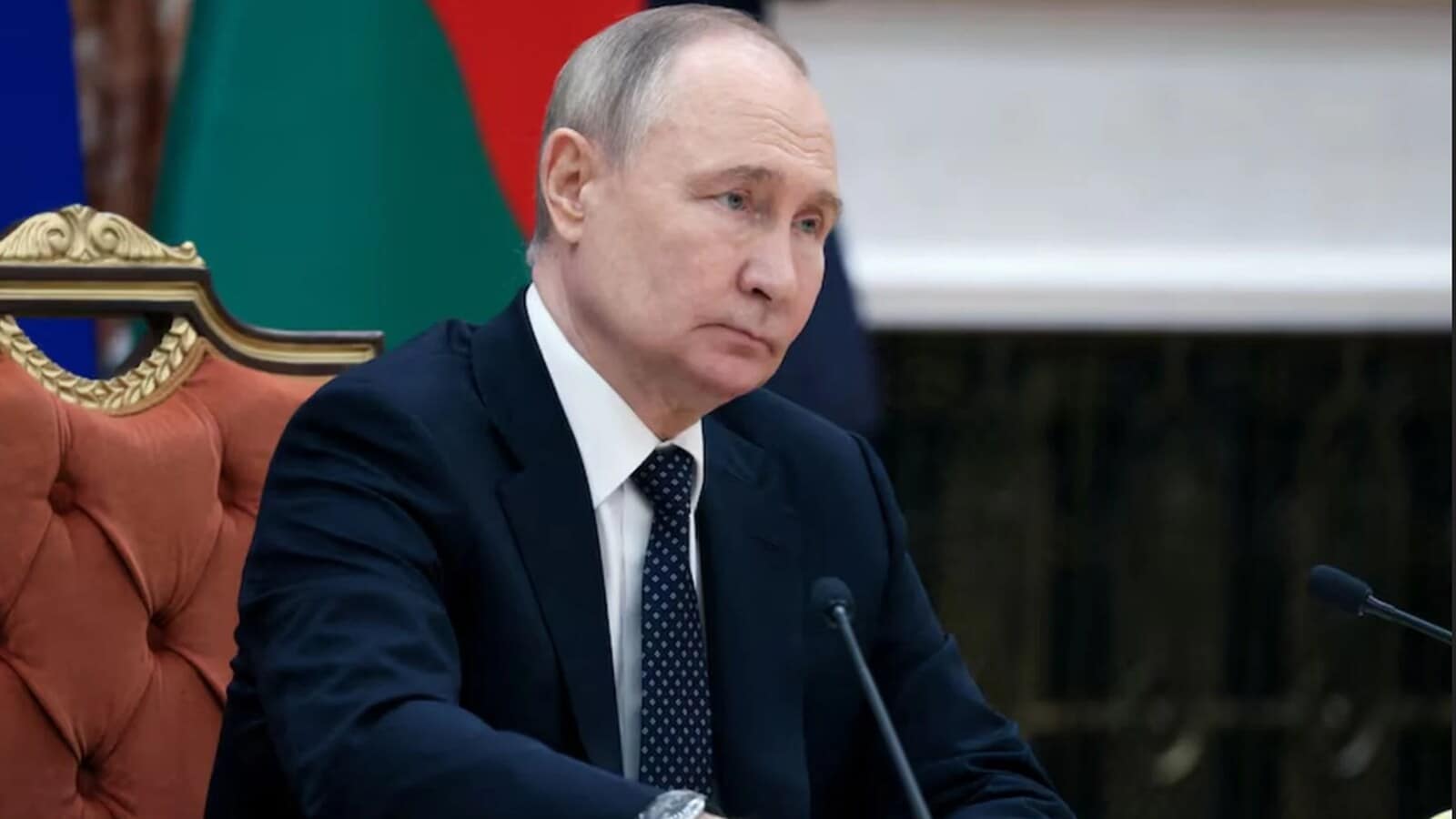
When the ruling United Russia faction secures an absolute lock on the legislative branch during a wartime cycle, nobody who watches Moscow politics closely blinks an eye. President Vladimir Putin positioned the three-day legislative contest as a direct referendum on military actions in Ukraine. With near-complete tallies announced by election authorities, the ruling political machine expanded its footprint while true dissent remained heavily restricted.
Let's look at what actually happened on the ground and why the outcome reveals more about state control than genuine public shifting.
Breaking Down the Numbers
Official data released by Ella Pamfilova, chair of the Central Electoral Commission, showed United Russia pulling in 57.83 percent of the popular vote. That marked a noticeable jump from the 49.8 percent recorded during the previous legislative cycle in 2021.
When you factor in single-seat constituency victories across the country, the party was on track to control 355 seats out of the 450 total positions in the State Duma. That translates to roughly 80 percent of the lower house. It guarantees an unhindered constitutional majority. They can pass laws and amend national frameworks without needing any coalition partners.
Other factions making up the rest of the chamber include the Communist Party, the ultra-nationalist LDPR, and the New People movement. None of these groups pose a genuine challenge to Kremlin policies. They routinely back major executive initiatives without friction.
The Marginal Footprint of Anti-War Dissent
Finding genuine opposition on a national ballot is nearly impossible under the current political architecture. The liberal Yabloko organization, which stands as the sole registered political entity openly calling for a ceasefire and a halt to the military campaign, faced massive institutional hurdles. The Supreme Court barred their federal list from competing nationwide weeks before ballots opened.
Yet, local resilience showed up in unexpected places. In Novgorod, located roughly 300 miles northwest of Moscow, local candidates managed to clear the 5 percent threshold required to secure a seat in the regional parliament. Party statements noted that over 12,000 local residents backed their platform, proving that anti-war sentiment still flickers in pockets outside the capital even when national avenues are shut down.
Meanwhile, exiled opposition figures urged supporters to use alternative protest methods, such as queueing up at specific hours or spoiling ballots with handwritten anti-war slogans.
High Turnout Amid Security Pressures
Turnout figures hit 59.3 percent among the country's estimated 111 million eligible voters, according to electoral authorities. That participation rate came despite extraordinary backdrop circumstances, including heavy drone activity over the Moscow region during the final day of voting.
State officials framed the robust turnout as a sign of national solidarity and public resolve against outside pressure. Independent observers and exiled activists pointed out that systemic pressure on state employees and controlled corporate environments often drive participation numbers upward during critical political tests.
The political machine moves forward completely unchecked, leaving regional flickers of resistance as tiny anomalies in an otherwise monolithic landscape.