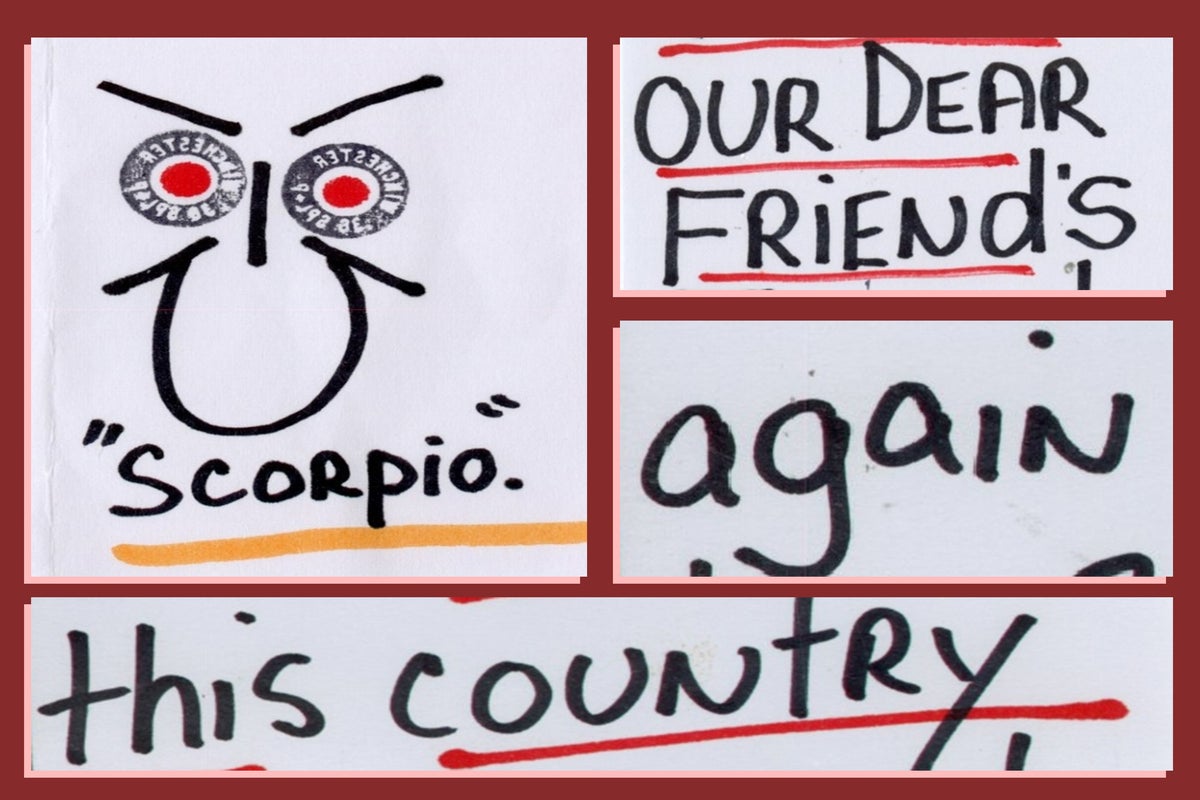
An anonymous stalker has been weaponizing the Australian postal system for over a decade. Since 2015, more than 100 handwritten notes packed with harassment and targeted threats have landed on the desks of federal politicians, state parliamentarians, religious leaders, and prominent community figures across New South Wales. The author hides behind pen names like Scorpio and Bullit. For ten years, this individual managed to slip under the radar. Now, a massive joint task force involving the Australian Federal Police and the NSW Police Security Investigation Unit is turning to the public to blow the case wide open.
This isn't just a story about a lone eccentric with a strange hobby. It's a stark window into a growing, volatile culture of harassment targeting people in public life. When someone spends a decade mailing venom to community leaders, it shows a level of fixation that borderlines on dangerous obsession.
Police are worried. They recently went public with specific details of the letters because they genuinely fear this behavior could escalate into physical violence. If you look at the evidence left behind on the paper, you realize that anonymity in the modern world is an illusion. Every stroke of a pen leaves a digital and physical footprint.
The anatomy of the Scorpio letters
Writing 100 threatening letters requires an immense amount of time, energy, and dedication. The authorities aren't dealing with a quick, impulsive email sent in a moment of rage. They're dealing with someone who meticulously crafts their vitriol.
Investigators working under Strike Force Yewrangara and the AFP National Security Investigations team have spent months analyzing the seized correspondence. They've pieced together a remarkably specific profile of the writer.
The suspect is believed to be a Caucasian man in his 60s. His letters focus heavily on national affairs, politics, and hot-button community issues. He doesn't just write. He curates. The packages often contain raw newspaper clippings, sliced headlines, and images of the very public figures he's targeting.
The handwriting itself is the most glaring clue. The writer prints his words rather than using cursive, but his style has a bizarre quirk. He consistently and heavily capitalizes five specific letters regardless of where they appear in a sentence.
- The letter F
- The letter L
- The letter T
- The letter N
- The letter H
If you look at the excerpts released by the NSW Police, these letters stand out like sore thumbs. They're blocky, aggressive, and completely deliberate. To top it off, the writer likes to leave visual calling cards. One of the most chilling items recovered by forensic teams is a hand-drawn, menacing smiley face. The eyes of the smiley face aren't dots. They are circular indentations pressed into the paper, designed to mimic the exact shape and impression of bullet casings. He signs off right next to it with his favorite alias.
A terrifying surge in political harassment
We can't look at Scorpio in a vacuum. This investigation comes at a time when the safety of public officials in Australia is deteriorating at a frightening pace. The numbers don't lie.
During the 2021/2022 financial year, the AFP received 555 reports of violent threats or harassment directed at federal politicians. Fast forward to the 2024/2025 period, and that number skyrocketed to 951 reports. The volume of threats nearly doubled in just three years.
Extremism experts point out that the profile of the Scorpio writer fits perfectly into a broader demographic trend. Many of the individuals fixating on politicians are middle-aged or older men who feel completely left behind by modern economic and social shifts. They latch onto anti-government ideologies, cost-of-living frustrations, and immigration debates. They turn these macro-level societal problems into deeply personal vendettas against individual leaders.
We saw how fast this can turn into criminal conviction just days ago in Western Australia. A 20-year-old man named William James King was sentenced to seven months in prison after sending direct messages on Instagram threatening to assassinate Prime Minister Anthony Albanese and NSW Premier Chris Minns. King claimed he was triggered by reading online political articles about the housing crisis. While his sentence was conditionally suspended, it proves that Australian law enforcement is no longer treating these rants as empty internet tough-guy talk. They're treating them as active threats to national security.
How forensic linguistics catches serial writers
The Scorpio author probably thinks he's being clever by avoiding digital tracking. He doesn't use an IP address. He doesn't leave metadata. He buys stamps and drops envelopes into red post boxes.
But hiding behind physical paper opens up an entirely different world of vulnerability. Forensic linguistics and physical analysis are incredibly sophisticated fields. Investigators don't just look at what a letter says. They look at how it's physically built.
First, there's the paper and ink analysis. Dictated by logic, the police have likely run mass spectrometry tests on the ink to determine the exact brand and batch of the pens used. If Scorpio has used the same type of cheap ballpoint pen from a local newsagency for a decade, that can be traced. Then there's the paper itself. Watermarks, texture, and the precise way the edges were cut or torn provide distinct manufacturing timelines.
Second, the psychological aspect of formatting is hard to break. Human beings are creatures of habit. The spacing between lines, the margins on the left and right side of the page, and the way paragraphs are indented are almost impossible to change voluntarily over a ten-year span. Even if you try to disguise your handwriting, your spatial habits give you away.
The police also look closely at indentations. When you write on a pad of paper, the pressure of the pen leaves invisible grooves on the pages underneath. By using electrostatic detection apparatus, forensic teams can read what was written on the sheets of paper before the top one was torn off. They can literally see past drafts, grocery lists, or notes that the author thought were destroyed.
Actionable steps for handling suspicious mail
If you run a community organization, work in a political office, or manage a religious center, you can't assume you're immune to this kind of targeted harassment. Serial harassers love a public target. You need a clear, non-negotiable protocol for dealing with incoming physical mail.
Don't wait for a threatening letter to arrive to figure out your strategy. Implement these practical mail-screening steps immediately.
Establish a dedicated isolation zone
Designate one specific desk or room for opening mail. It should be away from the main common areas and close to handwashing facilities. The person opening the mail should have access to basic protective gear, including nitrile gloves and a mask, especially if a letter looks suspicious or uninvited.
Train staff on the red flags
Look closely at the packaging before opening it. Suspicious mail frequently displays a common set of indicators.
- Excessive postage stamps used instead of standard metered mail
- Poorly typed or crudely handwritten addresses
- Misspelled common words or titles
- Strange or non-existent return addresses
- Oily stains, discoloration, or strange odors radiating from the paper
Protect the forensic evidence
If you open a letter and realize it contains threats, harassment, or deeply disturbing content, stop touching it immediately. Do not pass it around the office for others to look at. Every person who handles the paper destroys potential fingerprints and contaminates the DNA profile.
Place the letter, along with its envelope, gently into a clean plastic sleeve or a paper bag using tweezers if available. Wash your hands thoroughly with soap and water right away.
File an immediate report
Do not sweep these incidents under the rug. Call your local police or report the material to Crime Stoppers on 1800 333 000. If the correspondence targets a federal official or involves broader national security themes, contact the National Security Hotline on 1800 123 400. Let the professionals handle the threat assessment.
The hunt for Scorpio is heating up because the authorities understand the stakes. Harassment is a progressive behavior. It starts with words, moves to fixation, and can end in physical confrontation. By ignoring the early warning signs, we give these anonymous writers the oxygen they need to escalate. It's time to shut the postal route down.