Alpine coasters are marketed as family-friendly, controlled thrills. You pull a lever, you glide down a metal track, and you control your speed. But what happens when the built-in safety features fail?
On August 17, Nicola Parker, a 60-year-old visitor from Texas, suffered severe, life-altering injuries after being thrown from the Rocky Mountain Coaster at Copper Mountain in Colorado. According to her legal representation at Bloch Ongert, Parker was ejected during a turn despite having her seat belt fastened. Her husband, riding directly behind her in a separate cart, watched in horror as she was dragged along the track.
This terrifying accident raises serious questions about amusement ride safety, state oversight, and the true risks associated with alpine coasters that many tourists assume are entirely foolproof.
The Incident on Copper Mountain
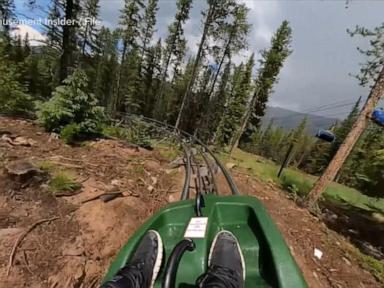
The Rocky Mountain Coaster opened at Copper Mountain in 2017 and spans thousands of feet of elevation changes, dips, zig-zags, and 360-degree loops. Carts can reach speeds up to 25 mph. While thousands of tourists ride safely every season, this incident shattered the illusion of total security.
According to her attorneys, Parker was thrown from her cart mid-turn. Because she remained entangled in her seat belt, the moving cart dragged her along the metal track. The physical toll was devastating. Parker suffered a traumatic brain injury, a collapsed lung punctured by a broken rib, a separated shoulder, and deep lacerations across her body. She has already undergone multiple surgeries and remains hospitalized as doctors uncover further complications.
Copper Mountain officials responded swiftly by shutting down the ride on August 17. In a statement reported by local media, resort patrol confirmed they arrived to find the guest seated in the cart with her seat belt fastened before transferring care to Summit Fire & EMS.
Examining the Safety Mechanisms
How does someone fall out of a restraint system that is supposedly locked? This is the central puzzle facing investigators from the Colorado Division of Oil and Public Safety, specifically the Amusement Rides & Devices Program.
Parker's legal team points to the coaster's design and built-in electronics as key evidence. Operational signage indicates that the cart's safety mechanism is programmed to sound a warning beep and stop immediately if a passenger unfastens their seat belt during operation. Because the cart did not stop or sound an alert, attorneys argue it proves Parker's seat belt remained locked the entire time. If the belt stayed fastened and she still flew out, the mechanical integrity of the restraint or the physical forces of the turn are brought into sharp question.
State regulators have launched a comprehensive investigation, which typically takes one to two months. In response to the accident, officials also closed a similar alpine coaster operating at Purgatory Resort in Durango until findings are released. Prior to this event, state records indicated no history of similar ejections on Copper Mountain's track.
Understanding Alpine Coaster Risks
If you plan to ride an alpine coaster on your next mountain vacation, you need to understand how these attractions operate compared to traditional theme park roller coasters.
Unlike roller coasters with over-the-shoulder harnesses and locked hydraulic lap bars, alpine coasters usually rely on simple lap belts and a hand brake lever. Riders control their own descent speed by pushing or pulling the brake, though gravity does most of the work. This semi-manual operation places a unique layer of trust in the rider's ability to follow instructions, maintain posture, and respect curves.
However, incidents like the one at Copper Mountain shift the focus from rider error to mechanical liability. When a seasoned adult visitor follows every posted rule, keeps her belt buckled, and still gets ejected, the margin for error shrinks to zero.
What Travelers Should Do Moving Forward
You don't need to panic and boycott every mountain resort attraction, but you should approach high-speed outdoor rides with open eyes.
- Check current operating notices before booking mountain resort activities. If a specific ride is shuttered due to state investigation, respect the closure.
- Pay absolute attention to safety briefings. Even if you have ridden similar coasters a dozen times, weight distribution, weather conditions, and track moisture can alter how a cart handles sharp turns.
- Inspect your belt or physical restraint before dispatch. If anything feels loose, worn, or unresponsive, halt the ride immediately and alert operators.
Resorts will face intense scrutiny over maintenance logs, sensor checks, and design tolerances once the state investigation wraps up. Until then, the focus remains on Parker's recovery and whether structural changes are needed to make these mountain thrills genuinely safe for every single passenger.
The investigation is ongoing. Stay informed, check local regulatory updates before your next trip, and never assume an amusement ride is entirely without risk just because the brochure calls it family-friendly.
Colorado state officials investigate after woman claims injuries
State regulators in Colorado launched a formal investigation after a Texas tourist suffered severe trauma when she was reportedly thrown from a high-speed mountain coaster at a popular ski resort.