Disasters rarely give you a warning. When they do, the difference between life and death usually comes down to seconds.
Most people assume institutional safety protocols will protect children during a crisis. They trust sirens, emergency apps, or official municipal alerts. But when a massive wall of mud, ice, and debris tore through Nepal's Trishuli Valley, official systems didn't save the day. A single phone call and one quick-thinking teacher did.
Rajendra Dawadi made a choice that kept 1643 children alive. Here is how it happened, and why his split-second decision matters.
The Morning That Changed Everything
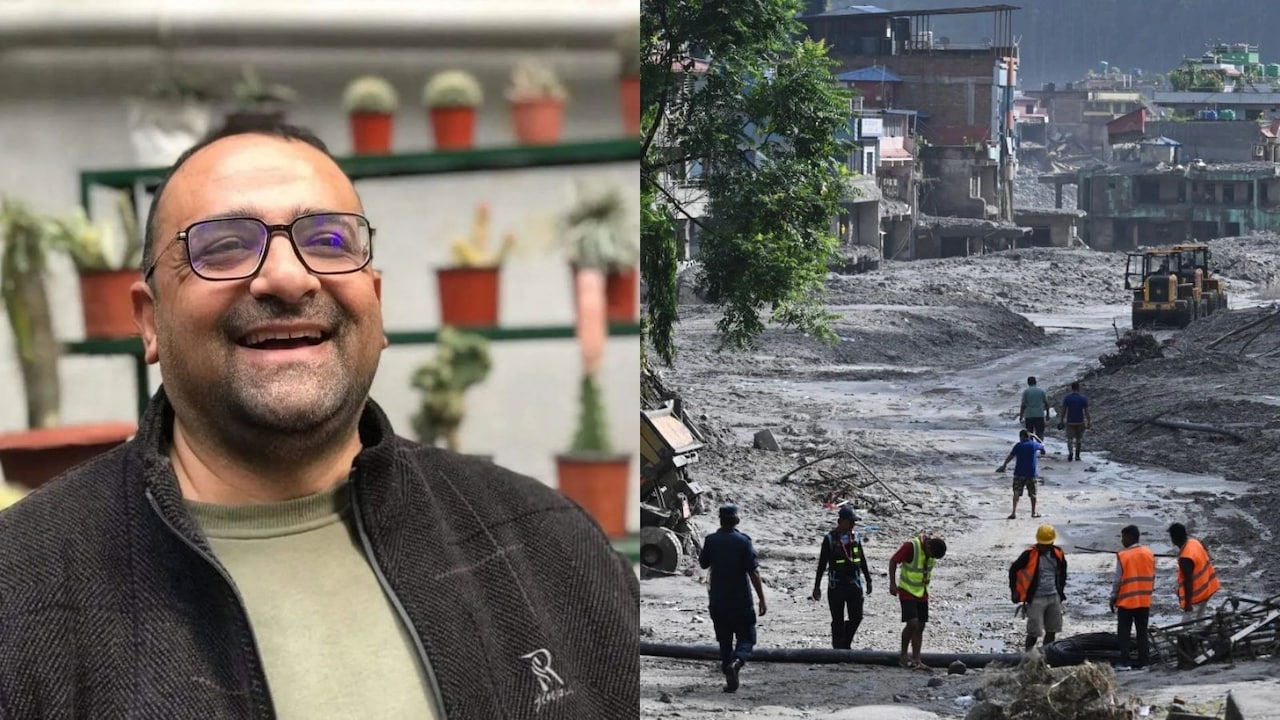
Dawadi is a 47-year-old English teacher and principal at Tribhuvan Trishuli Secondary School in Nuwakot. On a Wednesday morning at around 9:20 am, life at the school was normal. Kids filled the classrooms. Teachers managed their morning routines.
Then his phone rang.
A friend called with a frantic warning. A nearby village had just been completely wiped out by the river, and Dawadi needed to run. At first, Dawadi hesitated. The school sat in a three-storey concrete building located roughly 60 meters above the riverbed. He honestly thought they were high enough to stay safe.
He didn't wait around to test that theory. A parent rushed onto the school grounds moments later, screaming that the water level was surging at an alarming rate.
That second warning triggered an immediate reaction. Dawadi didn't freeze. He rang the school bell with urgency, ordering teachers to pull kids out of their rooms immediately.
The Race Against the Rising Water
Evacuating over sixteen hundred students is a logistical nightmare under the best conditions. Doing it while a flash flood bears down on you is pure chaos.
Dawadi coordinated with school bus drivers, telling them to turn back before they reached vulnerable bridges. One bus had already crossed a bridge out of contact range, but the rest of the operation shifted entirely to foot traffic.
Kids sprinted up the valley toward higher ground. One young girl suffered a severe panic attack from the sheer terror of the moment; someone hoisted her onto a motorbike to rush her uphill. The rest of the children ran on foot, with Dawadi right behind them, driving the evacuation forward until they reached the safety of a large bodhi tree high above the flood zone.
Minutes later, the river unleashed its fury.
What Caused the Disaster
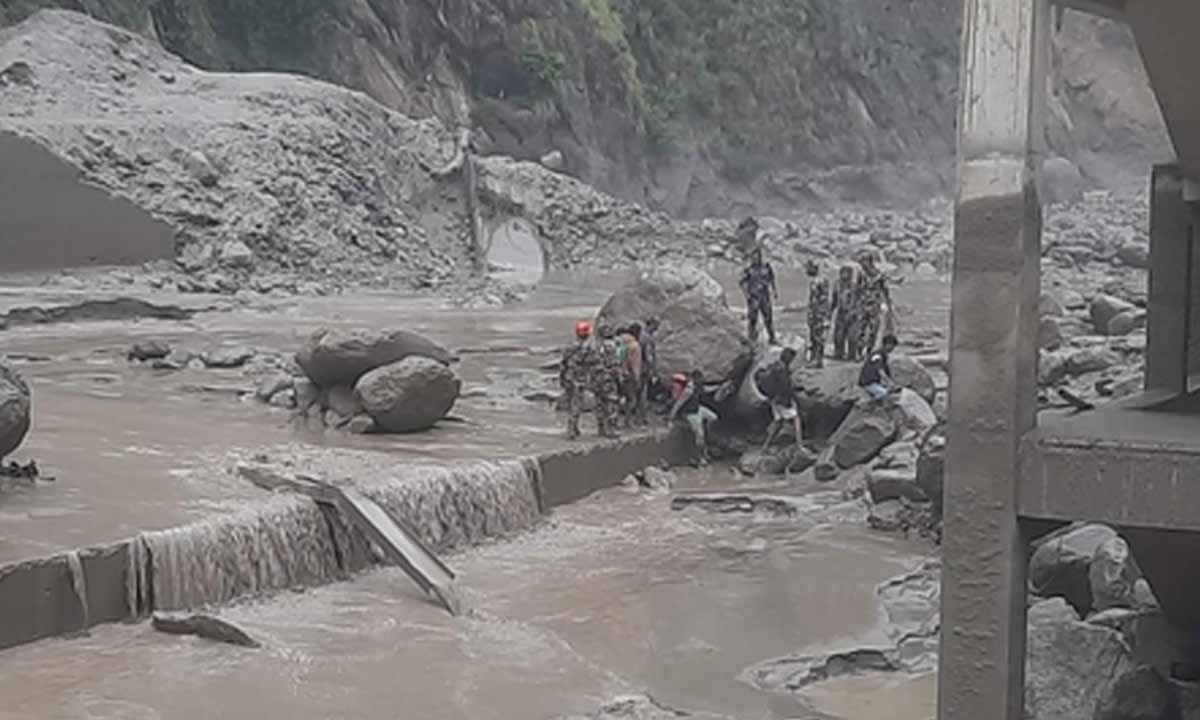
The trigger for this catastrophe happened miles away near the Nepal-Tibet border. A massive chunk of ice and rock broke away from the Langtang Lirung peak, plunging roughly 1200 meters into the upper section of the Lhende Khola river.
The resulting debris flow sent a catastrophic wave through the region. Buildings, roads, and bridges were flattened instantly. Tribhuvan Trishuli Secondary School was completely destroyed.
Yet, because of Dawadi's quick actions, all 1643 students survived. Most of the staff made it out, too. But the tragedy still left deep scars. Two staff members lost their lives after heading back into the danger zone. Social history teacher Santos Pariyar went back to his rented room near the river to cook breakfast, and school janitor Sultan Lama returned to the school buildings to lock the doors. They were swept away.
Why Institutional Warning Systems Fail
We put massive faith in automated warning systems, yet rugged terrain and remote geography mean nature often strikes long before official alerts can cross the wire. In mountain valleys, upstream environmental shifts bypass municipal sensors entirely.
Dawadi's story highlights a harsh reality. Real safety during a crisis often depends on decentralized human awareness and rapid individual agency. Waiting for official confirmation in a fast-moving flash flood is a fatal mistake.
The Wider Crisis
The event that threatened Tribhuvan Trishuli Secondary School was part of a much larger disaster across Nepal and Tibet. Death tolls mounted into the hundreds, with thousands reported missing as regional infrastructure, including major hydropower projects, suffered severe damage. Rescue operations involved international teams, including specialists from India and China working to clear blocked tunnels and locate trapped workers.
In moments of massive collective trauma, individual heroism stands out. Dawadi didn't wait for a committee meeting. He heard the warning, looked at the physical reality on the ground, and moved his students to safety.
Trust your instincts when emergency warnings hit. If someone tells you the water is rising, don't wait to see it for yourself. Run.