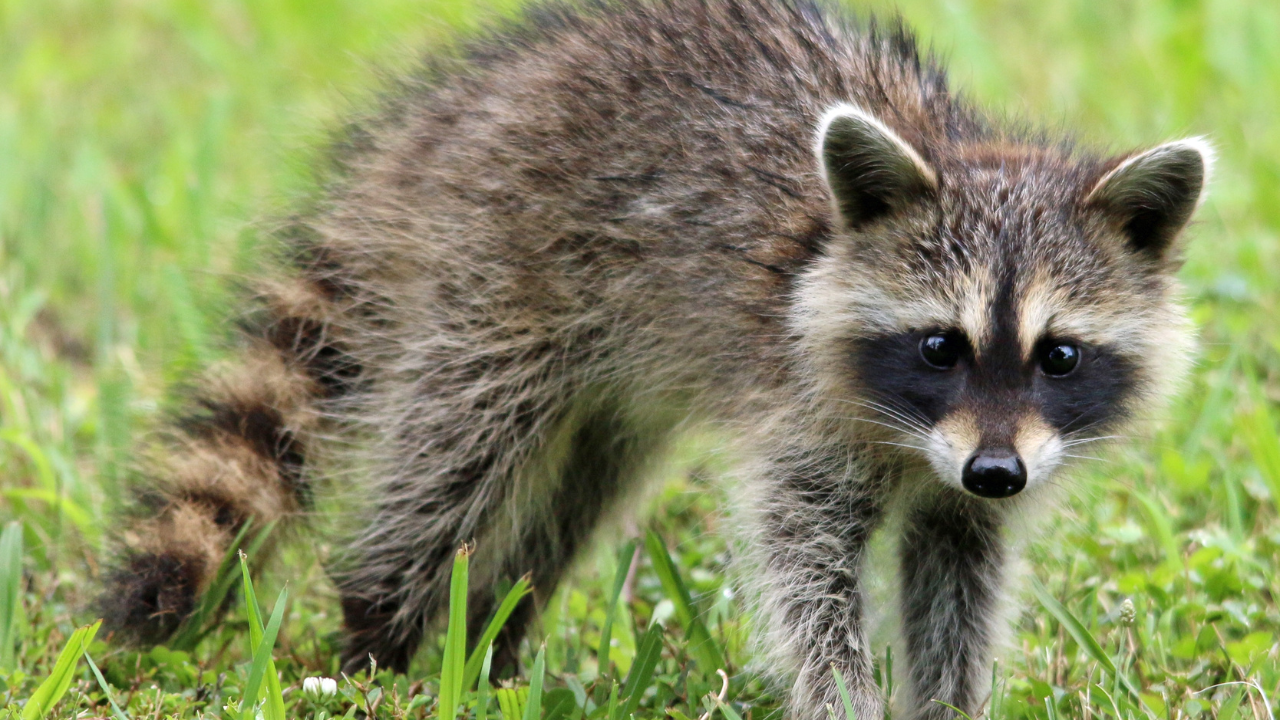
You leave your garbage can secured with a heavy bungee cord. The next morning, it is tipped over, completely empty. The cord is unhooked. You think it is magic. It is just a raccoon doing what it does best: treating your backyard like an escape room.
University of British Columbia researchers Hannah Griebling and Dr. Sarah Benson-Amram decided to test this legendary dexterity in a controlled setting. They handed sixteen adult raccoons a custom Plexiglas puzzle box with nine different entry points. The setup was simple yet diabolical. Inside sat a single marshmallow. Once the raccoons ate it, you would expect them to walk away. Instead, they kept right on working. They opened new latches, slid different doors, and turned extra knobs, even though their paws clearly told them the box was empty. Recently making waves in this space: How A Hospital Worker Turned A Fifteen Dollar Goodwill Painting Into An Eighty Thousand Dollar Treasure.
The Science Behind the Obsession
Why would a wild animal waste energy on an empty box? The researchers call it information foraging. Raccoons balance exploration against exploitation. When the stakes are low and a problem is easy, they love to experiment with different methods just to see what happens.
In the trials, the box featured three tiers of difficulty: More details on this are detailed by ELLE.
- Easy: A standard door, a simple slide latch, and a pull-down window.
- Medium: A hook-and-eye latch, a hasp latch, and a push-up window.
- Hard: A draw-catch latch, a turn knob, and an unlocked padlock slipped into a hasp.
The tests ran for twenty minutes a night across ten days. While sixteen adult raccoons participated at the USDA’s National Wildlife Research Center in Fort Collins, Colorado, fourteen successfully completed every single level. They weren't starving, either. Their handlers fed them regular rations after testing wrapped up each night. But once a raccoon cracked the code on one mechanism, curiosity took over. They touched every remaining switch and latch because, in the mind of a raccoon, knowing how the environment works is a survival prize in its own right.
Why Urban Raccoons Are Winning
If you live in a city, you already know these animals treat human infrastructure like an obstacle course. Raccoons recorded the highest average occupancy among mammals across twenty major North American cities. They thrive right under our noses because of how their bodies are built.
Their front paws feature a dense network of sensory nerves. Originally evolved for foraging along muddy stream beds in the wild, those paws act like hands in the dark. They can feel the difference between a screw thread, a sliding bolt, and a spring-loaded latch without even looking.
When you combine hyper-sensitive paws with an insatiable drive to explore, you get a creature that can defeat almost any domestic wildlife deterrent you buy at the hardware store. They don't just brute-force their way through your property. They map out the mechanics of it.
What This Means for Your Backyard
If you want to keep raccoons away from your porch or attic, traditional logic fails. Standard locks and simple gravity lids won't cut it. Because these animals treat puzzle boxes as recreational entertainment, a complicated latch is just a fun bedtime game for them.
Stop relying on light plastic bins or simple friction lids. If a raccoon finds your trash can, they will treat the entire setup like Griebling and Benson-Amram's nine-way box. They will test every angle, try every combination, and eventually find the flaw in your setup. Secure your bins with heavy-duty locking mechanisms, bolt lids down, and eliminate food sources entirely. Otherwise, you are just funding their next evening puzzle session.