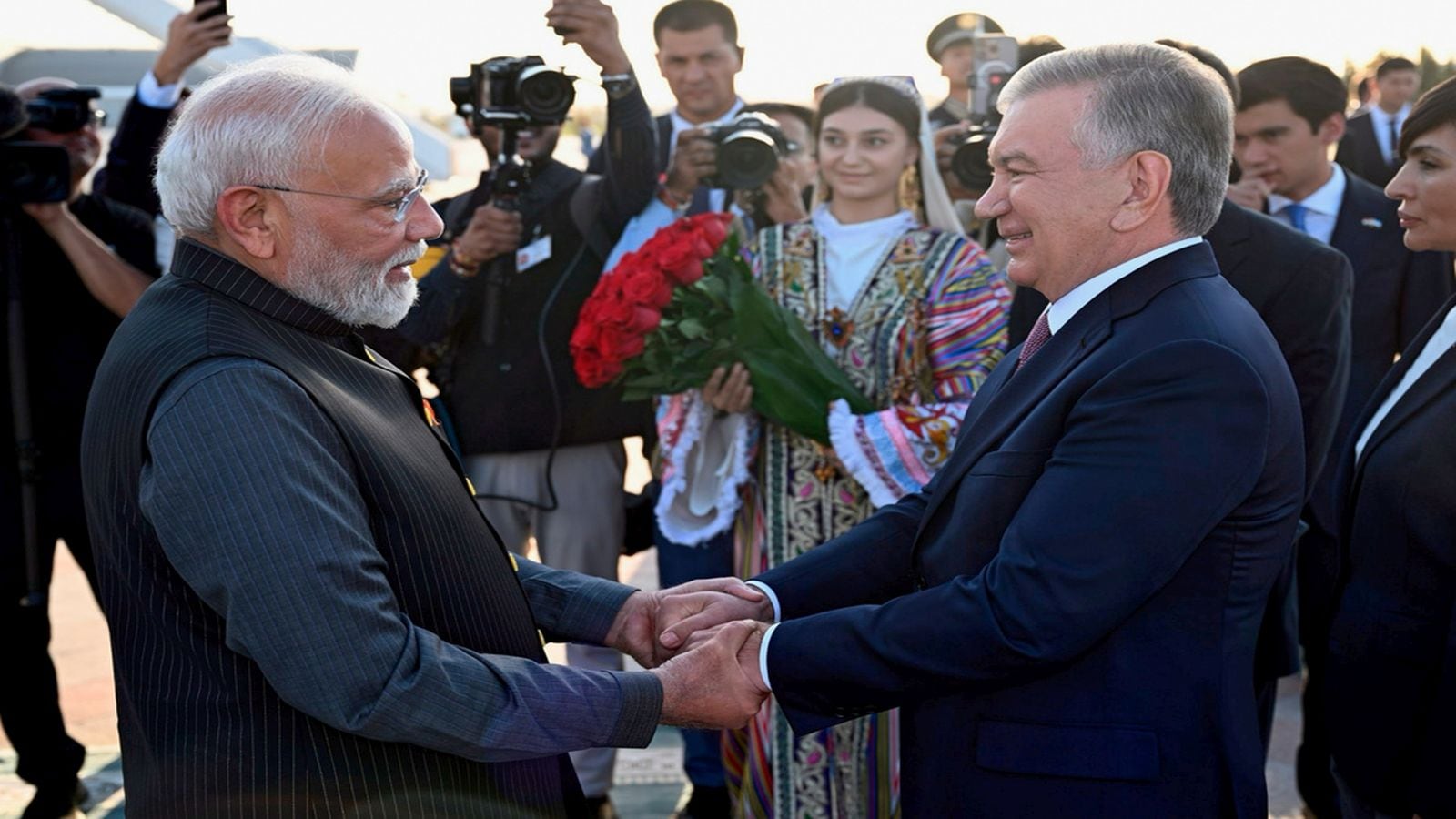
Diplomatic photo ops often look like routine theater. You see handshakes on red carpets, grand monuments, and smiling leaders posing for the cameras. But when Prime Minister Narendra Modi landed in Tashkent for his two-day state visit, something much heavier happened behind the ceremonial pomp. New Delhi and Tashkent didn't just exchange pleasantries. They completely restructured their diplomatic framework into a comprehensive strategic partnership.
If you are wondering why this Central Asian trip is getting so much attention, it's not because of the standard political routine. It’s because of what it unlocks for trade, energy security, and regional influence. Let’s break down what actually went down during those two intense days in Uzbekistan.
The Big Shift to a Comprehensive Strategic Partnership
For years, India and Uzbekistan maintained warm ties, but they operated within a traditional diplomatic lane. During this visit, President Shavkat Mirziyoyev and PM Modi decided to upgrade the entire relationship.
The two countries set a bold bilateral trade target of $5 billion by 2030. That is a massive jump from where things stand today. To hit that number, they are actively working to reduce trade barriers, streamline supply chains, and fix payment bottlenecks.
And it isn't just talk. Right on the heels of the visit, agricultural protocols shifted. India opened its markets to fresh Uzbek chilli and pomegranates under strict plant-health safeguards. On the other end, Indian infrastructure players and digital systems are expanding their reach into Central Asia. UPI rollout discussions are moving fast, making cross-border financial integration a realistic goal rather than an abstract tech dream.
Yoga Diplomacy and Cultural Soft Power
You can't talk about a Modi foreign visit without looking at soft power. In Tashkent, it took center stage early. Modi attended a dynamic yoga session organized by the Yoga Federation of Uzbekistan. Yoga isn't a new import in Central Asia, but seeing packed community events highlights how deep grassroots appreciation for Indian culture runs there.
The diaspora welcome was equally intense. Landmark buildings across Tashkent glowed in the tricolor hues of the Indian flag. Members of the local community hosted energetic cultural showcases. You had the Bollywood Battle Group dancing to evergreen tracks, alongside fusion routines mixing Kathak with the traditional Andijan Polka.
Modi also paid homage at the Lal Bahadur Shastri Memorial and interacted with students and Indologists at the Mahatma Gandhi Center within the Tashkent State University of Oriental Studies. He announced 100 Lal Bahadur Shastri scholarships for Hindi language students, marking the 60th anniversary of Shastri's passing in the Uzbek capital.
The Highest State Honor and Strategic Mineral Deals
The diplomatic pinnacle of the trip arrived at the Kuksaroy Presidential Palace. President Mirziyoyev conferred Uzbekistan's highest state honor—the Order of Oliy Darajali Do'stlik—on Prime Minister Modi. It's a direct nod to his personal investment in keeping bilateral ties strong.
Beneath the medals and awards, concrete business agreements were finalized. A critical memorandum of understanding on mining was signed. This guarantees bilateral cooperation on critical minerals, with uranium supply standing out as a vital asset for India's long-term energy needs.
Furthermore, environmental cooperation took a practical turn. Modi announced a $1 million partnership to aid rehabilitation efforts in the Aral Sea region, aligning India's "Plant For Mother" initiative with Uzbekistan's "Yashil Makon" green drive.
What Comes Next for the Region
This visit wasn't just a bilateral pit stop. It served as a strategic launchpad before Modi headed to Bishkek for the 26th SCO Summit. By anchoring deeper roots in Tashkent, securing uranium and critical minerals, and pushing sub-national partnerships like Gujarat-Samarkand and Haryana-Fergana, India is playing a long-term game in Central Asia.
The real test will be execution. Hitting that $5 billion trade target requires businesses on both sides to cut through red tape and move fast. Keep an eye on how quickly those digital payment and supply chain agreements turn into real-world results.
PM Modi In Tashkent: Key Moments From Uzbekistan Visit, From Yoga To Historic State Honour
This video provides visual highlights of Prime Minister Narendra Modi's official engagements, community welcomes, and high-level meetings during his landmark state visit to Tashkent.
http://googleusercontent.com/youtube_content/1